In the intricate world of manufacturing and surface preparation, achieving optimal component cleanliness and surface finish is paramount. Whether it’s removing rust, scale, old paint, or preparing a surface for a new coating, the method chosen directly impacts product quality and longevity. Among the various industrial cleaning solutions, the hanger type shot blasting machine stands out as an exceptionally versatile and efficient system. For industries across India, from automotive to aerospace, finding a reliable shot blasting machine manufacturer that delivers performance and durability is crucial. This article delves deep into the mechanisms, types, benefits, and practical considerations of these powerful machines, highlighting why they are an indispensable asset for modern industrial operations.
 01
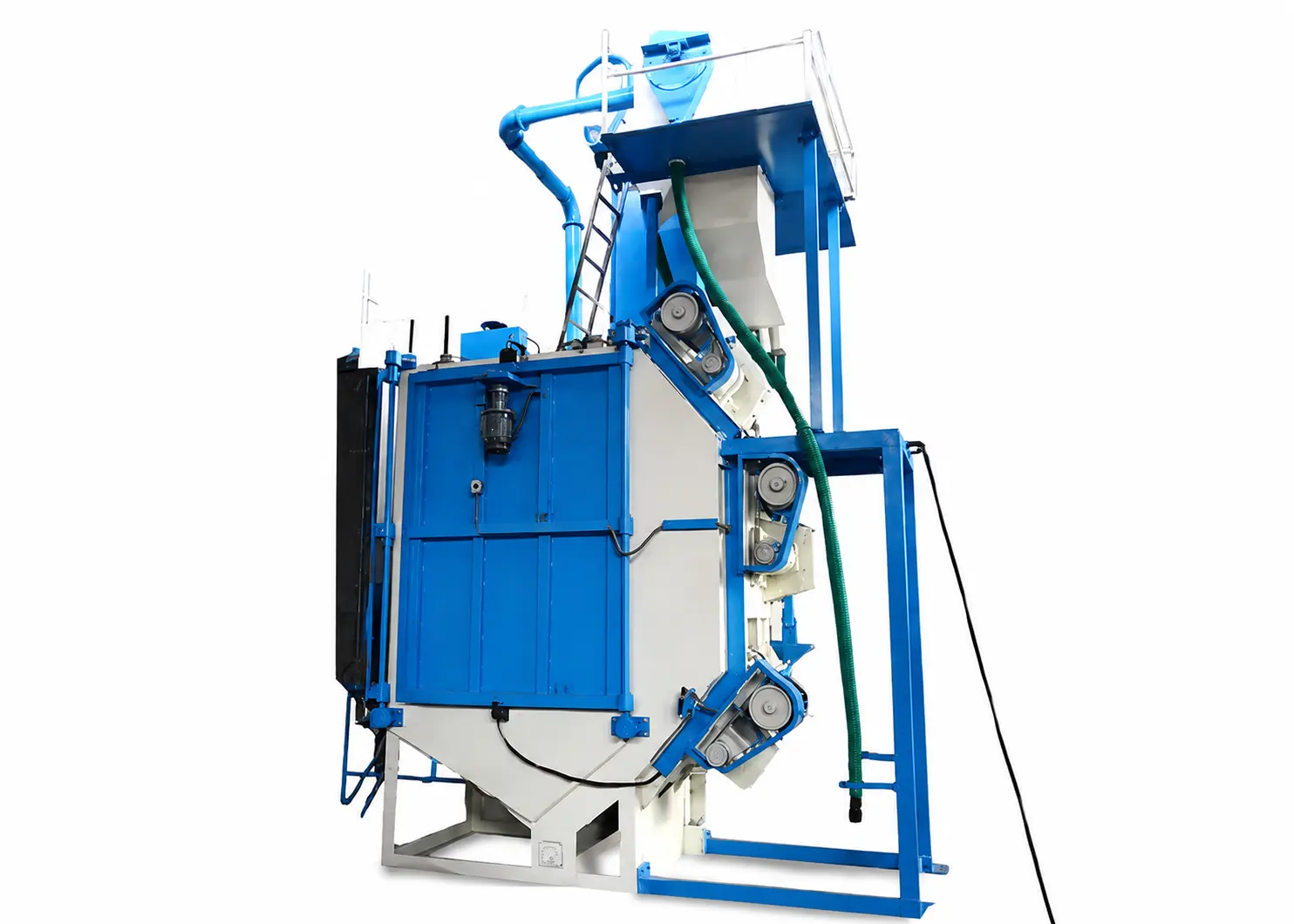
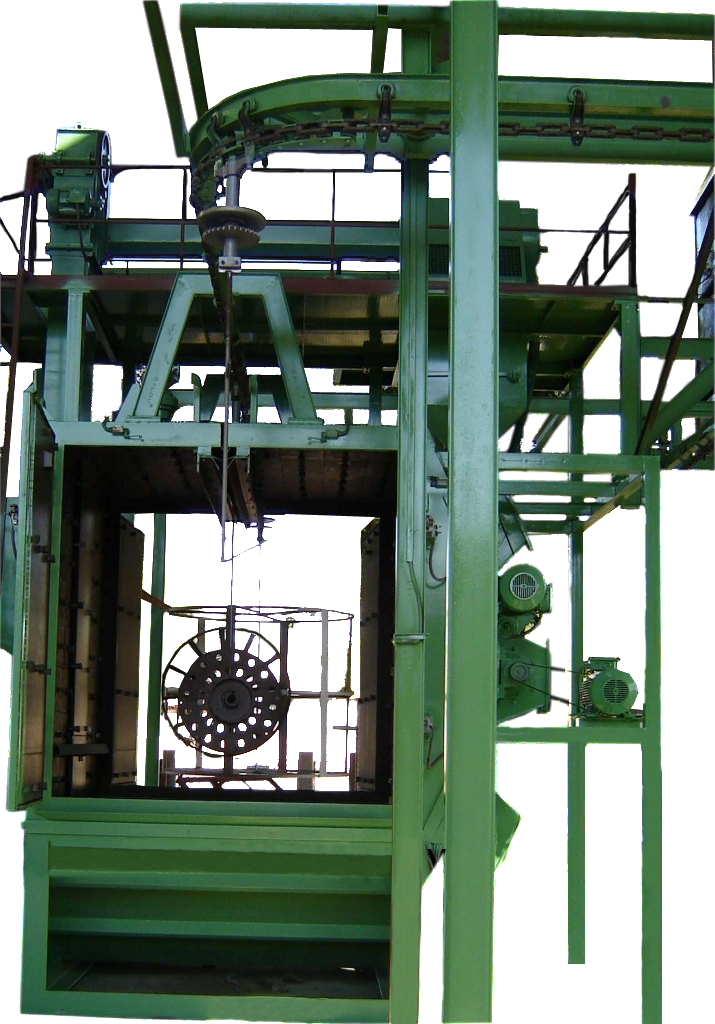
Door Hanger Type
Door Hanger Type Shot Blasting Machine
Designed for efficient cleaning, rust removal, descaling and surface preparation of large, heavy and complex metal components. Suitable configurations are available for different component sizes and production requirements.
 02
Y Hanger Type
INDUSTRIAL
Y Hanger Type Shot Blasting Machine
Designed for uniform surface preparation of castings, forgings and complex industrial components. The Y hanger arrangement helps position components for effective abrasive blasting according to the application.
 03
Closed Loop Hanger
Closed Loop Hanger Type Shot Blasting Machine
Designed for hanger-based component handling and efficient surface preparation. The closed loop conveyor arrangement can support organised component movement for suitable industrial production and blasting requirements.
Table of Contents
- What is a Hanger Type Shot Blasting Machine?
- Types of Hanger Type Shot Blasting Machines
- Applications of Hanger Type Shot Blasting Machines
- How a Hanger Type Shot Blasting Machine Works
- Benefits of Using a Hanger Type Shot Blasting Machine
- Choosing the Right Hanger Type Shot Blasting Machine Manufacturer in India and Understanding Price
- Common Mistakes to Avoid with Hanger Type Shot Blasting Machines
- Practical Tips for Optimal Performance
- FAQs about Hanger Type Shot Blasting Machines
- Conclusion
What is a Hanger Type Shot Blasting Machine?
A hanger type shot blasting machine is a specialized industrial equipment designed for cleaning, descaling, deburring, and surface finishing a wide array of metal components. Unlike tumble blast machines where parts are tumbled together, hanger type machines suspend individual or multiple components from hooks (hangers) that rotate as they pass through a blast chamber. This suspension allows for thorough, uniform exposure to abrasive media propelled by high-speed blast wheels, ensuring that all surfaces of complex or delicate parts are effectively treated without part-on-part impingement.
The primary purpose of a shot blasting machine is to prepare surfaces for subsequent processes like painting, coating, galvanizing, or heat treatment. By creating a specific surface profile and removing contaminants, it significantly improves adhesion and the overall quality of the finished product. These machines are engineered for robustness and efficiency, making them a cornerstone in many manufacturing and fabrication industries.
Types of Hanger Type Shot Blasting Machines
The versatility of the hanger type shot blasting machine is further enhanced by its various configurations, each designed to meet specific production requirements and part geometries. Understanding these types is crucial for selecting the most appropriate machine for your operation.
Y Hanger Type Shot Blasting Machine
The Y hanger type shot blasting machine is characterized by its Y-shaped rail system, which allows for continuous loading and unloading of components without interrupting the blasting cycle. One arm of the ‘Y’ is used for loading and unloading, while the other transports parts into the blasting chamber. This design optimizes throughput and is ideal for high-volume production lines where efficiency is paramount. Components are typically hung on rotating fixtures, ensuring all surfaces are uniformly exposed to the abrasive blast. This type is particularly effective for small to medium-sized parts with intricate shapes.
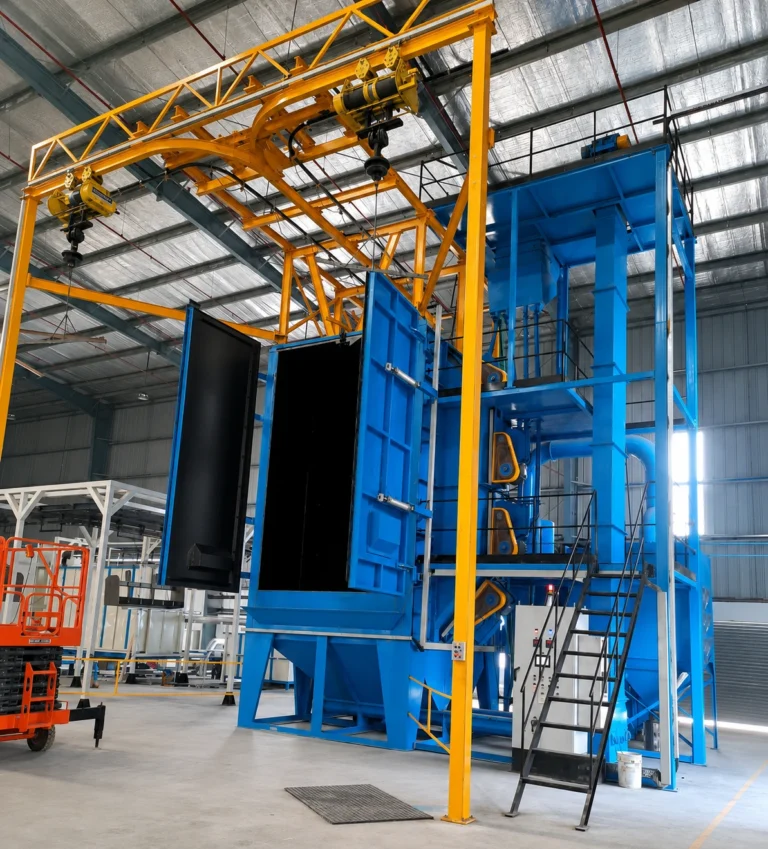
Door Hanger Type Shot Blasting Machine
As the name suggests, the Door Hanger type shot blasting machine features a door mechanism through which components are loaded into the blast chamber. Once the door is closed, the blasting process begins. These machines are typically batch-oriented, meaning parts are loaded, blasted, and then unloaded in cycles. They are highly favored for processing heavy or irregularly shaped components that might be difficult to handle on a continuous system. The robust design and enclosed nature of the door provide excellent containment of abrasive media and dust, making them suitable for demanding applications.
Closed-Loop and Monorail Systems
Beyond the Y and Door configurations, hanger type machines can also be part of more elaborate closed-loop or monorail systems. These systems integrate the blasting process into a larger automated production line, with parts moving seamlessly from one stage to the next on an overhead conveyor. This level of automation further enhances efficiency and reduces manual labor, making them ideal for very high-volume manufacturing environments. The specific design, whether it’s a simple loop or a complex branched system, depends entirely on the client’s production flow and part handling needs.
Each type offers distinct advantages, and the choice often comes down to the size, weight, and complexity of the parts to be processed, as well as the desired production volume and level of automation.
Applications of Hanger Type Shot Blasting Machines
The broad utility of the hanger type shot blasting machine spans across numerous industrial sectors, proving its value in preparing surfaces for various critical applications. Its ability to handle a wide range of component sizes and shapes makes it a versatile solution for surface treatment needs.
- Automotive Industry: Used extensively for cleaning engine blocks, cylinder heads, crankshafts, gear components, suspension parts, and other cast or forged components. It removes foundry sand, scale, and rust, preparing surfaces for painting, coating, or assembly.
- Foundries and Forging Shops: Essential for descaling castings and forgings, removing sand and core remnants, and achieving a clean, uniform surface finish before further machining or inspection.
- Aerospace Industry: Critical for deburring and creating precise surface finishes on high-precision components, ensuring structural integrity and optimal performance in demanding environments.
- Fabrication and Welding Shops: Used to clean structural steel, fabricated parts, and welded assemblies, removing mill scale, rust, and spatter to ensure excellent adhesion for protective coatings.
- Railway Industry: For cleaning bogies, wheelsets, and various locomotive and carriage components to enhance their lifespan and prepare them for protective treatments.
- Construction Equipment: Large components for excavators, cranes, and other heavy machinery are blasted to remove rust and prepare for heavy-duty protective coatings.
- Defense Sector: Used for surface preparation of various military equipment and components, requiring robust and durable finishes.
- Agricultural Machinery: Cleaning parts of tractors, implements, and other farm equipment to improve durability and resistance to harsh environmental conditions.
- Medical Implants: In specialized applications, these machines can be used for controlled surface texturing of certain medical devices to promote bio-integration, though this requires very fine control and specific media.
The consistent and high-quality finish achieved by these machines makes them indispensable in any industry where surface integrity and adherence of subsequent coatings are critical.
How a Hanger Type Shot Blasting Machine Works
Understanding the operational sequence of a hanger type shot blasting machine helps in appreciating its efficiency and effectiveness. The process is a meticulously controlled series of steps designed to deliver a consistent and superior surface finish.
- Loading: Components, whether individual or in batches, are carefully loaded onto specialized hangers or fixtures. These hangers are often designed to rotate, ensuring maximum exposure of all part surfaces during the blasting process.
- Entry into Blast Chamber: Once loaded, the hangers transport the components into the sealed blast chamber. In Y-hanger or continuous systems, this movement is typically automated. For door hanger types, the door is closed manually or automatically after loading.
- Abrasive Projection: Inside the chamber, one or more high-speed blast wheels are strategically positioned. These wheels, equipped with rotating blades (vanes), centrifugally accelerate abrasive media (shots) towards the suspended components at high velocity. The impact of these shots removes contaminants like rust, scale, paint, and burrs, simultaneously imparting a desired surface profile.
- Component Rotation: As the blasting occurs, the hangers typically rotate, exposing all faces and contours of the components to the abrasive stream. This ensures uniform cleaning and prevents blind spots.
- Abrasive Reclamation and Cleaning: After impacting the components, the abrasive media falls to the bottom of the blast chamber. It is then collected by a screw conveyor system and transported to a bucket elevator. The elevator lifts the abrasive to an air wash separator, which separates reusable abrasive from dust, broken media, and other contaminants. Clean abrasive is then stored in a hopper, ready to be recycled back to the blast wheels.
- Dust Collection: A powerful dust collector system is integral to the operation. It maintains negative pressure within the blast chamber, drawing out airborne dust and fine particles generated during the blasting process. This ensures a clean operating environment and compliance with environmental regulations. The collected dust is then deposited into a waste bin.
- Unloading: Once the blasting cycle is complete, the hangers exit the blast chamber. The cleaned components are then unloaded, ready for the next stage of their manufacturing process.
The entire process is designed for maximum efficiency, safety, and environmental responsibility, making the hanger type shot blasting machine a robust solution for surface preparation.
Benefits of Using a Hanger Type Shot Blasting Machine
Investing in a high-quality hanger type shot blasting machine brings a multitude of advantages to manufacturing and fabrication industries. These benefits extend beyond mere surface cleaning, impacting overall product quality, operational efficiency, and cost-effectiveness.
- Superior Surface Preparation: These machines consistently deliver a uniform, clean, and textured surface. This is critical for optimal adhesion of paints, coatings, and other protective layers, significantly extending the lifespan of the treated components.
- Enhanced Adhesion and Durability: By removing impurities and creating a suitable surface profile (roughness), shot blasting dramatically improves the mechanical interlocking of coatings, leading to superior adhesion and greater durability against wear and corrosion.
- Increased Fatigue Life: The peening effect of shot blasting introduces compressive residual stress on the surface of the metal. This counteracts tensile stresses that can cause fatigue cracks, thereby increasing the fatigue life and strength of components, particularly critical in automotive and aerospace applications.
- Versatility and Flexibility: Capable of handling a wide range of component sizes, shapes, and weights, from delicate castings to heavy fabricated parts. The ability to load parts individually on hangers makes it ideal for complex geometries.
- High Productivity and Efficiency: Especially with Y-hanger or continuous systems, these machines offer high throughput rates, allowing for rapid processing of large volumes of components. Automation reduces manual labor and speeds up the production cycle.
- Cost-Effectiveness: While the initial investment might be significant, the long-term benefits in terms of reduced rework, improved coating performance, and extended product life translate into substantial cost savings. The ability to recycle abrasive media also minimizes operational costs.
- Environmental Benefits: Compared to chemical cleaning methods, shot blasting is a dry process that generates less hazardous waste. The dust collection systems ensure clean air, contributing to a safer and more environmentally friendly workplace.
- Consistent Quality: Automated and controlled blasting parameters ensure a consistent and repeatable surface finish, eliminating the variability often associated with manual cleaning methods.
For any industry prioritizing quality, efficiency, and longevity of their metal products, a hanger type shot blasting machine is an invaluable asset.
Choosing the Right Hanger Type Shot Blasting Machine Manufacturer in India and Understanding Price
Selecting the ideal hanger type shot blasting machine manufacturer in India is a critical decision that impacts not only the initial investment but also the long-term performance and reliability of your surface preparation operations. With several manufacturers in the market, discerning the best fit requires careful consideration of various factors, including the hanger type shot blasting machine price in India.
Factors to Consider When Choosing a Manufacturer:
- Experience and Reputation: Look for manufacturers with a proven track record in designing, fabricating, and installing shot blasting machines. A company like Surface International, for example, often comes with years of expertise and a reputation for quality and innovation.
- Quality of Construction: The machine’s durability directly correlates with its construction quality. Inquire about the materials used, the engineering standards, and the robustness of critical components like blast wheels, liners, and dust collectors. High-quality components lead to less downtime and lower maintenance costs.
- Customization Capabilities: Your production needs are unique. A good manufacturer should be able to offer customized solutions, tailoring the machine size, blast wheel configuration, loading systems, and automation levels to your specific components and throughput requirements.
- After-Sales Service and Support: This is paramount. A reliable manufacturer provides excellent post-purchase support, including installation, commissioning, operator training, maintenance services, and readily available spare parts. Prompt technical support minimizes operational disruptions.
- Technological Innovation: Leading manufacturers often integrate advanced technologies, such as PLC controls, remote monitoring, and energy-efficient designs, to enhance performance and reduce operational costs.
- Safety and Environmental Compliance: Ensure the machines comply with relevant safety standards and environmental regulations, particularly concerning dust emission and noise levels.
- Customer Testimonials and References: Speak to existing clients of the manufacturer to gain insights into their experiences with product quality, service, and overall satisfaction.
Understanding Hanger Type Shot Blasting Machine Price in India:
The hanger type shot blasting machine price in India can vary significantly based on several factors:
- Machine Type and Size: A compact door-hanger type machine will be less expensive than a large, automated Y-hanger or continuous monorail system. The chamber size, number of blast wheels, and overall footprint play a major role.
- Automation Level: Highly automated systems with integrated conveyors, robotic loading/unloading, and advanced PLC controls will command a higher price than manual or semi-automatic versions.
- Blast Wheel Technology: The type, number, and power of blast wheels influence the price. More powerful and durable blast wheels, often made from specialized alloys, add to the cost.
- Dust Collector System: The capacity and efficiency of the dust collector, including features like pulse-jet cleaning, contribute to the overall price.
- Ancillary Equipment: Features like abrasive reclamation systems, magnetic separators, variable frequency drives (VFDs), and noise reduction measures can increase the price.
- Customization: Any specific design modifications or additions required for unique applications will affect the final cost.
- Manufacturer’s Reputation and Support: Established manufacturers with a strong reputation for quality and comprehensive after-sales service might have a higher price point, but this often translates to better long-term value and reliability.
It’s crucial to obtain detailed quotes from multiple reputable manufacturers and compare not just the upfront cost but also the long-term operational expenses, maintenance requirements, and anticipated lifespan of the machine. Always prioritize value, reliability, and support over just the lowest price.
Common Mistakes to Avoid with Hanger Type Shot Blasting Machines
While a hanger type shot blasting machine is designed for robust performance, certain operational and maintenance oversights can significantly reduce its efficiency, increase costs, and even pose safety risks. Avoiding these common mistakes is key to maximizing your investment.
- Incorrect Abrasive Selection: Using the wrong type, size, or hardness of abrasive media can lead to inconsistent surface finishes, damage to parts, excessive wear on machine components, or insufficient cleaning. Always match the abrasive to the material being blasted and the desired finish.
- Improper Part Loading and Hanging: Overloading hangers, incorrectly positioning parts, or using damaged fixtures can result in “blind spots” where the blast media cannot reach, leading to uneven cleaning. It can also cause parts to fall during blasting, damaging both the part and the machine.
- Neglecting Regular Maintenance: Shot blasting machines operate in harsh environments. Skipping daily, weekly, and monthly maintenance checks (e.g., inspecting blast wheels, liners, dust collector filters, and conveyor belts) is a recipe for premature wear, unexpected breakdowns, and costly repairs.
- Ignoring Abrasive Contamination: Over time, dust, rust particles, and broken abrasive media can accumulate in the clean abrasive. Operating with contaminated abrasive reduces blasting efficiency, damages components, and results in a poor surface finish. Regular cleaning and replacement of abrasive are essential.
- Insufficient Dust Collection: A poorly maintained or undersized dust collector leads to airborne dust, impacting visibility, operator health, and environmental compliance. It also signifies that fine particles are remaining in the abrasive stream, reducing blasting effectiveness.
- Operating with Worn-Out Components: Continuously using worn blast wheel blades, liners, or seals reduces blasting efficiency, increases abrasive consumption, and can lead to damage to other machine parts. Prompt replacement of wear parts is critical.
- Lack of Operator Training: Untrained operators may not understand optimal blasting parameters, proper loading techniques, or critical safety procedures. Comprehensive training ensures safe and efficient operation.
- Ignoring Safety Protocols: Shot blasting involves high-velocity abrasives. Neglecting to wear appropriate PPE (personal protective equipment) or bypassing safety interlocks can lead to severe injuries.
- Poor Airflow Management: Inadequate airflow through the dust collector or blockages in the system can compromise the machine’s efficiency and cause environmental issues. Regular inspection of ducting and filters is vital.
By being vigilant and adhering to best practices, you can ensure your shot blasting machine operates efficiently, safely, and delivers consistent high-quality results.
Practical Tips for Optimal Performance
To ensure your hanger type shot blasting machine delivers consistent, high-quality results and operates efficiently over its lifespan, implementing practical tips for maintenance and operation is essential. These guidelines will help maximize throughput, minimize downtime, and extend component life.
- Establish a Routine Maintenance Schedule: Develop and strictly follow a daily, weekly, and monthly maintenance checklist. This includes inspecting blast wheels for wear, checking liners for integrity, cleaning dust collector filters, and lubricating moving parts. Proactive maintenance prevents major breakdowns.
- Regularly Monitor Abrasive Media: Periodically check the quality and quantity of your abrasive. Ensure the air wash separator is functioning correctly to remove fines and contaminants. Maintain optimal abrasive levels in the hopper to guarantee consistent blast pressure. Consider particle size analysis to ensure consistent media quality.
- Proper Part Hanging Technique: Train operators on the best way to load and hang components. Ensure parts are securely fixed, allow for proper rotation, and do not create “shadows” that prevent uniform blasting. For intricate parts, experiment with different hanging positions.
- Optimize Blast Parameters: Adjust blast wheel speed, abrasive flow rate, and blast time according to the specific material, desired surface finish, and cleanliness level.
- Invest in Quality Wear Parts: Always use genuine or high-quality aftermarket wear parts (e.g., blast wheel blades, control cages, liners). While cheaper alternatives might be tempting, they often wear out faster, leading to more frequent replacements and higher long-term costs.
- Ensure Adequate Ventilation and Dust Collection: Regularly check the dust collector’s differential pressure and clean or replace filters as needed. A well-functioning dust collector is crucial for a clean working environment and efficient abrasive recovery.
- Operator Training and Empowerment: Provide thorough initial training and periodic refresher courses for all operators. Ensure they understand the machine’s operation, safety protocols, and basic troubleshooting. Empower them to report potential issues promptly.
- Keep Records: Maintain a logbook for machine operations, maintenance activities, and wear part replacements. This data helps track performance, predict maintenance needs, and identify recurring issues.
- Energy Efficiency Considerations: Explore options like variable frequency drives (VFDs) for blast wheels and dust collector motors to optimize energy consumption based on load requirements.
By diligently applying these tips, you can significantly enhance the performance, reliability, and lifespan of your hanger type shot blasting machine, contributing positively to your production efficiency and bottom line.
FAQs about Hanger Type Shot Blasting Machines
What is the primary difference between shot blasting and sand blasting?
The main difference lies in the abrasive media used and the impact it has on the surface. Shot blasting typically uses metallic shot (steel shot, grit) which is harder and denser, creating a peening effect that can harden the surface and improve fatigue life, while also removing scale and rust. Sand blasting (or abrasive blasting, as sand is often replaced by other media) uses finer, often angular, abrasive particles (like garnet, aluminum oxide, or glass beads) to create a rougher profile for coating adhesion or a smoother, aesthetic finish. Shot blasting is more about heavy-duty cleaning and surface strengthening, whereas sand blasting is often for finer surface profiling and preparation.
How often should the abrasive media in a hanger type shot blasting machine be replaced?
The frequency of abrasive media replacement depends on several factors: the type of media, the material being blasted, the machine’s efficiency in separating fines, and the desired surface finish. Generally, a good quality abrasive can be recycled many times. However, regular monitoring of the media’s particle size distribution and overall cleanliness is crucial. When the media becomes too fine (due to breakdown) or heavily contaminated with dust and debris, it loses its effectiveness and should be partially or fully replenished to maintain optimal blasting performance.
What factors determine the hanger type shot blasting machine price in India?
The price is influenced by several factors, including the machine’s size and capacity (e.g., chamber dimensions, number of blast wheels), the level of automation (manual, semi-automatic, fully automated with conveyors), the type of hanger system (Y-hanger, door hanger), the quality of components used (blast wheels, motors, dust collector), customization requirements, and the manufacturer’s brand reputation and after-sales support. Larger, more automated, and technologically advanced machines from reputable manufacturers typically have a higher price point.
Can these machines be customized to specific production needs?
Absolutely. Most reputable hanger type shot blasting machine manufacturer in India offer significant customization options. This can include adjusting the machine’s dimensions, modifying the number and positioning of blast wheels, integrating different types of loading/unloading systems (e.g., hoists, automatic conveyors), incorporating specialized dust collection, or adapting the controls for specific automation requirements. Customization ensures the machine perfectly aligns with a company’s unique part specifications and production workflow.
What safety precautions are necessary when operating a hanger type shot blasting machine?
Safety is paramount. Essential precautions include ensuring all operators are thoroughly trained in machine operation and emergency procedures, wearing appropriate Personal Protective Equipment (PPE) such as safety glasses, hearing protection, gloves, and protective clothing. The machine should have all safety interlocks functioning correctly, preventing operation when doors are open. Regular checks for abrasive leaks and proper functioning of the dust collector system are also critical to maintaining a safe and clean working environment. Following manufacturer guidelines and local safety regulations is crucial.
Conclusion
The hanger type shot blasting machine represents a cornerstone technology in modern industrial surface preparation. Its ability to provide precise, uniform, and high-quality surface finishes on a diverse range of components makes it indispensable across industries, from automotive and aerospace to foundries and fabrication. Whether opting for the high-throughput efficiency of a Y hanger type shot blasting machine or the robust handling capabilities of a Door Hanger type shot blasting machine, the benefits in terms of enhanced product quality, extended component life, and operational efficiency are undeniable.
Choosing the right shot blasting machine manufacturer, particularly a seasoned hanger type shot blasting machine manufacturer in India like Surface International, is crucial for ensuring a reliable, durable, and custom-fit solution. Understanding the factors influencing the hanger type shot blasting machine price in India, coupled with a focus on quality, after-sales service, and technological innovation, will lead to a wise investment. By avoiding common operational mistakes and adhering to practical maintenance tips, industries can unlock the full potential of these powerful machines, driving productivity and maintaining the highest standards of surface integrity. For more insights into optimizing your surface preparation, explore our dedicated article on the Hanger type shot blasting machine.