In the demanding world of manufacturing, enhancing component durability and performance is paramount. One highly effective process for achieving this is shot peening. For businesses across various industries in India, identifying a reliable shot peening equipment manufacturer & supplier in India is crucial to securing high-quality, efficient, and cost-effective solutions. Surface International stands out as a leading provider in this specialized field, offering a comprehensive range of shot peening machines designed to meet diverse industrial needs.
This article will delve into the critical aspects of shot peening equipment, exploring its importance, types, selection criteria, and the factors that influence its pricing. Whether you’re a seasoned professional looking to upgrade your existing setup or a newcomer seeking to understand the technology, this guide aims to equip you with the knowledge needed to make informed decisions for your operations in India.
Explore Our Sand Blasting Machines
Explore our industrial blasting and surface preparation machines.
 01
 02
 03
 04
 05
 06
 07
 08
Table of Contents
- What is Shot Peening and Why is it Essential for Component Longevity?
- Exploring Various Types of Shot Peening Equipment
- Key Benefits of Investing in High-Quality Shot Peening Equipment
- How to Choose the Right Shot Peening Equipment Manufacturer & Supplier in India
- What Factors Influence Shot Peening Equipment Price?
- The Rise of Robotic Shot Peening in Modern Manufacturing
- Why Surface International is a Leading Shot Peening Equipment Manufacturer & Supplier in India
- Essential Maintenance Tips for Your Shot Peening Machine
- Common Mistakes to Avoid When Acquiring Shot Peening Equipment
- Frequently Asked Questions About Shot Peening Equipment
- Conclusion
What is Shot Peening and Why is it Essential for Component Longevity?
Shot peening is a cold working process used to improve the fatigue life and stress corrosion cracking resistance of metal components. It involves bombarding the surface of a part with small, spherical media (shots) at high velocity. Each shot acts like a tiny hammer, creating a small indentation on the surface. This impact introduces a uniform layer of compressive residual stress on the material’s surface.
Why is this important? Most structural failures originate at the surface of a part due to tensile stresses, which can be caused by applied loads, manufacturing processes, or environmental factors. By creating a compressive stress layer, shot peening effectively counteracts these damaging tensile stresses. This significantly enhances the component’s resistance to:
- Fatigue failure (cracks initiating and propagating under cyclic loading)
- Stress corrosion cracking
- Fretting fatigue
- Galling
Industries such as automotive, aerospace, defense, energy, and medical rely heavily on shot peening to ensure the reliability and safety of critical parts like turbine blades, gears, crankshafts, springs, and surgical instruments. The proper application of this process, using precise shot peening equipment, can extend the operational life of components, reduce maintenance costs, and prevent catastrophic failures.
Exploring Various Types of Shot Peening Equipment
The market offers a diverse range of shot peening equipment, each designed to handle different component sizes, production volumes, and application complexities. Understanding these types is key to selecting the most suitable shot peening machine for your specific needs.
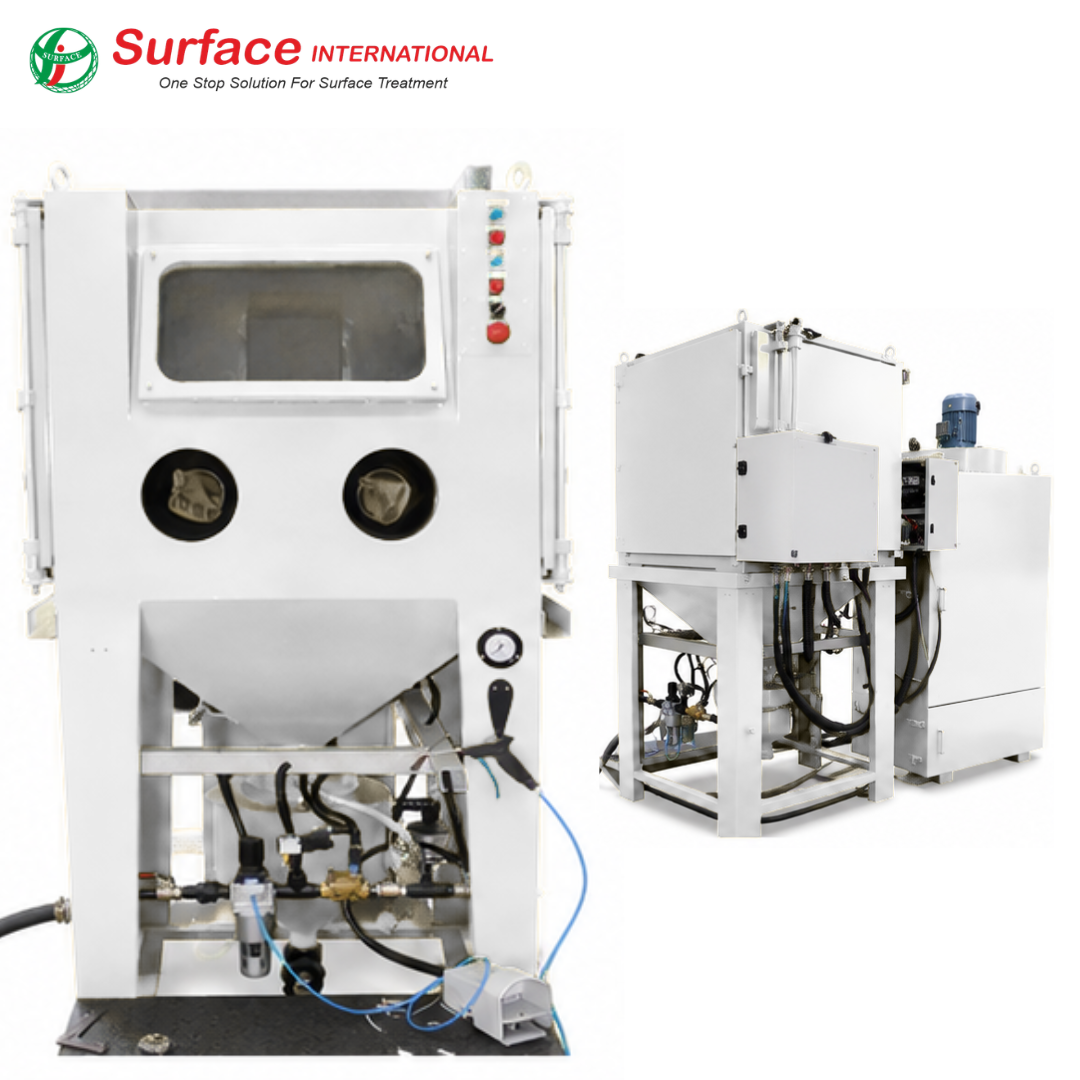
Manual/Cabinet Shot Peening Machines
These are typically enclosed cabinet systems where an operator manually manipulates the component and the peening nozzle. They are ideal for:
- Low-volume production runs.
- Components with complex geometries that require precise, localized peening.
- Research and development applications.
While offering high flexibility and control, their throughput is limited by manual operation. They are often a good starting point for businesses entering the shot peening process or those with specialized, low-volume requirements.
Automated and Robotic Shot Peening Machines
Automated systems, including advanced robotic shot peening machine manufacturer offerings, are designed for high-volume production and applications requiring exceptional repeatability and precision. These machines utilize:
- Programmable logic controllers (PLCs) or CNC systems for precise control over nozzle movement, shot flow, and component manipulation.
- Robotic arms to handle components and/or nozzles, ensuring consistent coverage even on highly complex parts.
- Multiple nozzles for faster processing.
- Integrated material handling systems for continuous operation.
Automated and robotic systems reduce human error, improve process consistency, and increase production efficiency, making them invaluable for critical aerospace, automotive, and medical components.
Pass-Through Shot Peening Systems
These systems are designed for continuous, high-volume peening of components that can be conveyed through a peening chamber. Examples include:
- Roller Conveyor Machines: For long, heavy components like leaf springs or shafts.
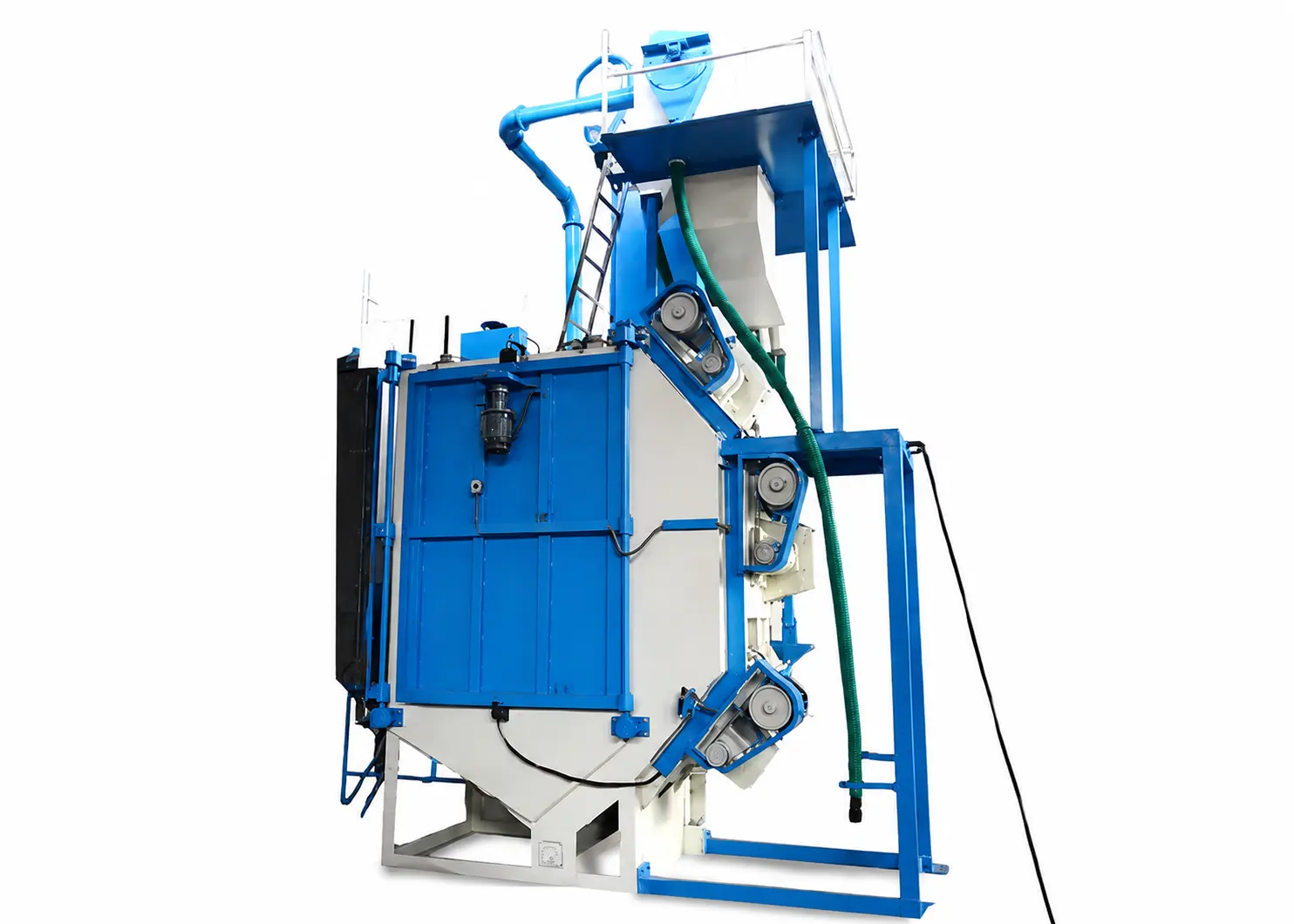
- Hanger Type Machines: Components are suspended from hooks and rotated as they pass through.
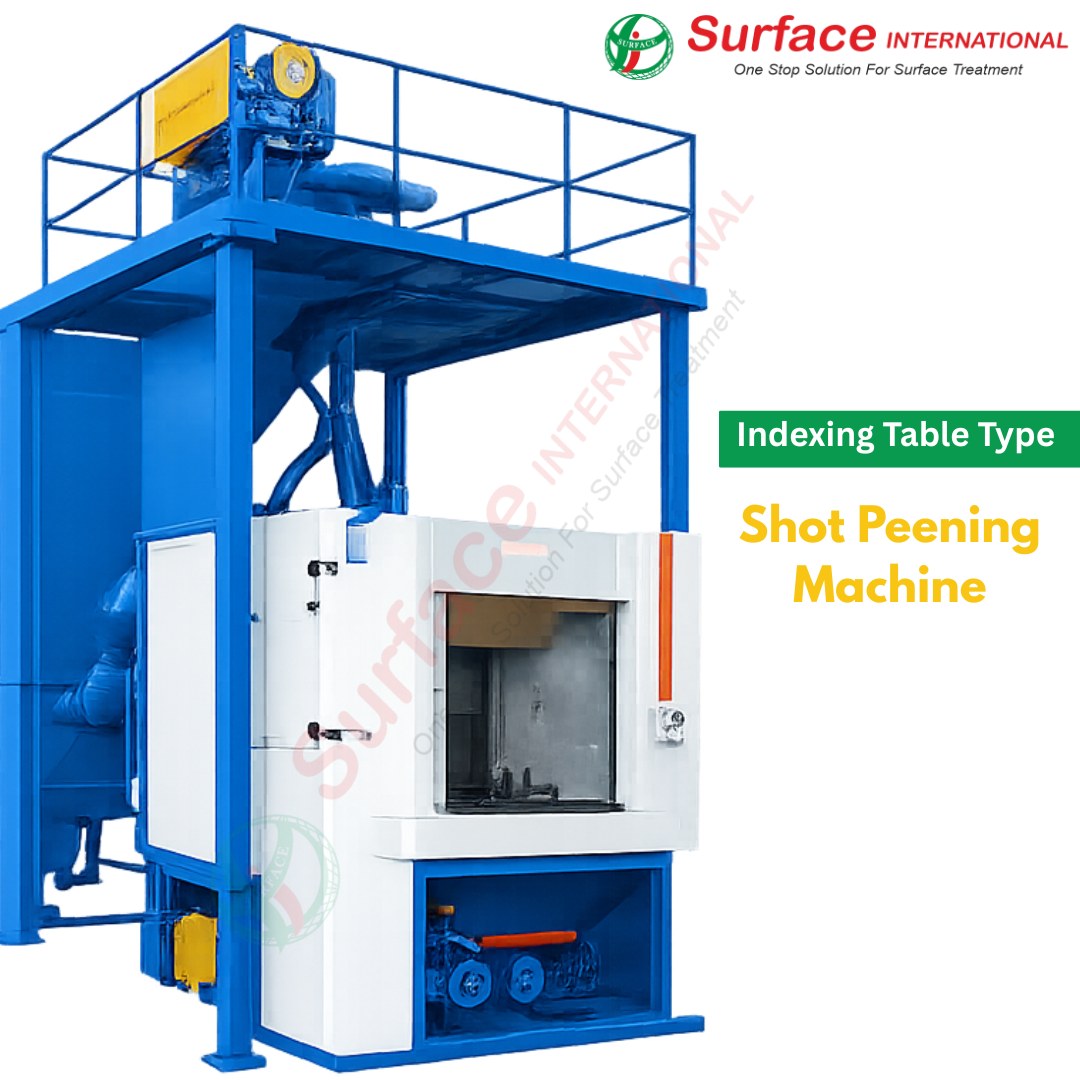
- Table Type Machines: Parts are placed on a rotating table that moves through the peening zone.
Pass-through systems are highly efficient for specific component types and are often integrated into existing production lines for streamlined processing.
Custom-Engineered Shot Peening Solutions
Many industries have unique requirements that cannot be met by standard equipment. A reputable shot peening equipment manufacturer can design and build bespoke machines tailored to specific part geometries, material properties, production rates, and facility constraints. This often involves combining elements from standard machines with specialized tooling, automation, and control systems.
Key Benefits of Investing in High-Quality Shot Peening Equipment
Acquiring reliable shot peening equipment is an investment that yields significant returns in product quality, operational efficiency, and cost savings. Here are the primary benefits:
- Extended Component Life: The most significant benefit, directly impacting the durability and reliability of manufactured parts. This leads to safer products and reduced warranty claims.
- Improved Fatigue Resistance: Critical for parts subjected to cyclic loading, preventing premature failure.
- Enhanced Stress Corrosion Cracking Resistance: Especially important in harsh operating environments where parts are exposed to corrosive media.
- Reduced Manufacturing Defects: Peening can mitigate surface defects introduced during machining or welding.
- Cost Savings: By extending component life, shot peening reduces replacement costs, downtime for repairs, and overall maintenance expenditures.
- Increased Production Efficiency: Automated and robotic systems ensure faster processing times and consistent output, boosting overall productivity.
- Superior Surface Finish: While primarily a strengthening process, shot peening can also impart a uniform, aesthetically pleasing surface finish.
- Adherence to Industry Standards: Many critical industries (aerospace, medical) mandate shot peening for certain components, requiring compliant equipment.
How to Choose the Right Shot Peening Equipment Manufacturer & Supplier in India
Selecting the ideal shot peening equipment manufacturer & supplier in India is a critical decision that impacts your operational success and product quality. Beyond just the initial shot peening equipment price, consider these key factors:
Experience and Expertise
Look for a manufacturer with a proven track record in the shot peening industry. An experienced provider will understand the nuances of various applications, materials, and process parameters. They should be able to offer insights into industry best practices and guide you toward the most effective solution for your specific components.
- Industry Knowledge: Do they understand your industry’s specific challenges and standards (e.g., automotive, aerospace, medical)?
- Technical Competence: Can they explain the science behind shot peening and how their machines achieve optimal results?
- Portfolio: Review their past projects and client testimonials to gauge their capabilities.
Customization Capabilities
Few applications are exactly alike. A top-tier shot peening machine manufacturer should offer flexible solutions, including the ability to customize machines for unique part geometries, sizes, material handling needs, and production volumes. This includes:
- Designing specialized fixtures and tooling.
- Integrating custom automation and robotic systems.
- Modifying standard machines to fit specific space or process constraints.
Quality and Durability of Machines
Shot peening is an abrasive process. The equipment must be built to withstand continuous operation in a harsh environment. Inquire about the materials used, construction standards, and the expected lifespan of their machines. High-quality components and robust engineering reduce downtime and maintenance costs in the long run.
- Component Quality: Are critical parts (nozzles, media reclaim systems, control panels) sourced from reputable suppliers?
- Build Standards: Do they adhere to relevant national and international manufacturing standards?
- Reliability: What is the average uptime and lifespan of their equipment?
After-Sales Service and Support
This is often overlooked but is paramount. Even the best equipment can encounter issues. A reliable shot peening equipment supplier should provide comprehensive after-sales support, including:
- Installation and commissioning services.
- Operator training.
- Availability of spare parts.
- Responsive technical assistance and troubleshooting.
- Routine maintenance programs.
Ensure they have a strong service network within India to minimize potential downtime.
Technology and Innovation
The field of shot peening is continuously evolving. A forward-thinking manufacturer invests in R&D and incorporates the latest technologies into their designs. This might include advanced control systems, improved media classification, enhanced dust collection, or integration with Industry 4.0 concepts for data monitoring and process optimization. For those considering advanced solutions, look for a robotic shot peening machine manufacturer that offers cutting-edge automation.
What Factors Influence Shot Peening Equipment Price?
The shot peening equipment price can vary significantly based on several factors. Understanding these elements will help you budget effectively and compare options from different manufacturers in India.
Machine Type and Size
- Manual Cabinets: Generally the most affordable option, suitable for small parts and low volumes.
- Automated Systems: Mid-range to high-end, depending on the level of automation and complexity.
- Robotic Systems: Often the highest investment due to advanced robotics, programming, and precision.
- Large-Scale Pass-Through Systems: Can also command high prices due to their size, robust construction, and high throughput capabilities.
The physical dimensions of the machine and the size of components it can process directly influence material costs and engineering complexity.
Level of Automation
The more automated a shot peening machine is, the higher its cost. Automation includes:
- Programmable Controls: Basic PLCs vs. advanced CNC systems.
- Robotic Arms: Number of axes, payload capacity, and brand of robot.
- Component Handling: Conveyors, turntables, loaders/unloaders.
- Process Monitoring: Sensors for media flow, pressure, and dust collection.
While increasing initial outlay, higher automation often leads to lower labor costs and superior consistency in the long term.
Features and Customization
Standard features vs. custom additions can greatly impact the price. Examples of features and customizations include:
- Number of nozzles and their configurations.
- Media reclamation and classification systems: Advanced separators for precise media conditioning.
- Dust collection systems: Size, efficiency, and filtration levels.
- Specialized fixtures and tooling for unique parts.
- Advanced safety interlocks and monitoring systems.
- Integration with existing production lines.
Material Handling Systems
The method used to load, transfer, and unload components also affects cost:
- Manual loading/unloading is the simplest and cheapest.
- Automated conveyors, robotic pick-and-place systems, and rotary tables add to the complexity and cost but enhance efficiency.
After-Sales Support and Warranty
The extent of warranty, availability of local service technicians, and guarantees on spare parts can also be factored into the overall cost. Reputable manufacturers often include comprehensive support packages, which, while appearing to add to the price, offer peace of mind and minimize operational risks.
The Rise of Robotic Shot Peening in Modern Manufacturing
The demand for precision, repeatability, and efficiency in industries like aerospace, automotive, and medical device manufacturing has driven the rapid adoption of robotic shot peening technology. A skilled robotic shot peening machine manufacturer can design systems that overcome the limitations of manual or semi-automated processes.
Key advantages of robotic shot peening include:
- Unmatched Precision: Robotic arms can follow complex contours with extreme accuracy, ensuring consistent peening intensity and coverage on every part.
- Superior Repeatability: Once programmed, a robot performs the task identically every time, eliminating human variability and guaranteeing consistent quality. This is crucial for certifications in critical applications.
- Increased Throughput: Robots can operate continuously, often faster than human operators, leading to higher production volumes.
- Enhanced Safety: Operators are removed from the harsh peening environment, reducing exposure to dust and noise.
- Flexibility: Robotic systems can be reprogrammed quickly to handle different component types, making them versatile for varied production needs.
- Data Logging and Analysis: Modern robotic systems can integrate with data acquisition systems to monitor process parameters in real-time, aiding in quality control and process optimization.
For manufacturers in India aiming for global competitiveness and the highest quality standards, investing in robotic shot peening equipment represents a strategic move toward advanced manufacturing capabilities.
Why Surface International is a Leading Shot Peening Equipment Manufacturer & Supplier in India
Surface International has established itself as a trusted name among shot peening equipment manufacturers in India, known for its commitment to quality, innovation, and customer satisfaction. Our expertise encompasses a full spectrum of shot peening solutions, from standard manual cabinets to advanced automated and robotic systems.
Here’s what sets Surface International apart:
- Comprehensive Range: We offer various shot peening machines, including air blast, wheel blast, robotic, and custom-engineered solutions, ensuring we can meet diverse industrial requirements.
- Engineering Excellence: Our machines are designed and manufactured using high-quality components and robust construction techniques to ensure durability, reliability, and long-term performance in demanding industrial environments.
- Customization Expertise: We understand that one size doesn’t fit all. Our team excels at developing tailored shot peening solutions, integrating specific features, automation, and material handling systems to precisely match your application.
- Advanced Technology: Surface International continually invests in research and development to incorporate the latest technological advancements, including state-of-the-art control systems and robotic integration, for superior process control and efficiency. As a leading robotic shot peening machine manufacturer, we bring cutting-edge solutions to the Indian market.
- Dedicated After-Sales Support: We believe in building lasting relationships. Our comprehensive after-sales service, including installation, training, spare parts availability, and prompt technical support, ensures your operations run smoothly with minimal downtime.
- Cost-Effectiveness: While offering premium quality, we strive to provide competitive shot peening equipment price points, delivering exceptional value for your investment in the Indian market.
Partnering with Surface International means gaining access to world-class shot peening technology backed by local expertise and support.
Essential Maintenance Tips for Your Shot Peening Machine
Proper maintenance is crucial for ensuring the longevity, efficiency, and consistent performance of your shot peening equipment. Neglecting maintenance can lead to costly downtime, inconsistent peening results, and premature wear of components.
- Regular Inspection:
- Visually inspect the peening chamber, nozzles, blast wheels, and work-holding fixtures daily for wear, damage, or buildup.
- Check for media leaks around seals and doors.
- Media Management:
- Regularly check and maintain the quality of the shot media. Inspect for broken or undersized media, which can affect peening intensity and surface finish.
- Ensure the media separator is functioning correctly to remove dust and fines, preventing them from contaminating the peening stream.
- Top up media levels as needed to maintain consistent flow and pressure.
- Dust Collector Maintenance:
- Clean or replace dust collector filters regularly to maintain efficient air flow and prevent dust buildup, which can impact visibility and machine performance.
- Inspect the dust collector fan and motor for proper operation.
- Nozzle/Wheel Inspection:
- For air blast systems, regularly check nozzles for wear and tear. Worn nozzles can lead to inefficient peening and inconsistent coverage.
- For wheel blast systems, inspect the blast wheel components (blades, control cage, impeller) for wear and replace them as per manufacturer recommendations.
- Lubrication:
- Adhere to the manufacturer’s lubrication schedule for moving parts, bearings, and motors to prevent friction and wear.
- Calibration Checks:
- Periodically verify the calibration of pressure gauges, flow meters, and other control instruments to ensure accurate process parameters.
- Check nozzle-to-part distance and angle for automated systems to maintain peening consistency.
- Electrical System Check:
- Inspect electrical connections and components for signs of wear, corrosion, or damage.
- Ensure all safety interlocks and emergency stop buttons are functioning correctly.
- Training:
- Ensure all operators and maintenance personnel are properly trained on the safe and efficient operation and maintenance of the specific shot peening machine.
Common Mistakes to Avoid When Acquiring Shot Peening Equipment
When investing in shot peening equipment, especially in a competitive market like India, it’s easy to make missteps. Avoiding these common errors can save time, money, and ensure you get the best solution:
- Prioritizing Price Over Quality: While shot peening equipment price is a factor, opting for the cheapest machine often leads to higher long-term costs due to frequent breakdowns, poor performance, and increased maintenance. Prioritize durability and reliability.
- Underestimating Application Requirements: Not fully understanding your current and future peening needs (part size, material, production volume, desired intensity) can lead to acquiring an undersized or over-specced machine. Conduct a thorough analysis first.
- Ignoring After-Sales Support: A machine is only as good as the support behind it. Overlooking the manufacturer’s commitment to service, spare parts, and technical assistance can result in significant downtime and operational headaches.
- Neglecting Customization Needs: Assuming a standard machine will fit all unique parts can be a costly mistake. If your components have complex geometries, ensure the manufacturer can provide tailored fixtures, tooling, or robotic solutions.
- Failing to Plan for Media Management: The type, quality, and recycling of shot media are crucial. Neglecting to plan for efficient media classification, dust collection, and replenishment can compromise peening quality and machine longevity.
- Inadequate Operator Training: Even the most advanced robotic shot peening machine will underperform without properly trained operators. Ensure comprehensive training is part of the package.
- Not Considering Future Growth: Investing in equipment that can’t scale with your production needs or adapt to new products can lead to premature obsolescence. Look for modular or adaptable designs where possible.
- Overlooking Safety Features: Shot peening involves high-velocity media and dust. Ensure the equipment meets all necessary safety standards and includes robust safety interlocks to protect operators.
Frequently Asked Questions About Shot Peening Equipment
What is the primary purpose of shot peening?
The primary purpose of shot peening is to induce a layer of compressive residual stress on the surface of metal components. This compressive layer significantly improves the material’s resistance to fatigue failure, stress corrosion cracking, and other surface-related failures, thereby extending the component’s operational life and enhancing its reliability.
How do I choose the right type of shot peening equipment for my application?
Choosing the right shot peening equipment depends on several factors: the size and geometry of your parts, desired production volume, required peening intensity, material type, and budget. For low volume or complex parts, a manual cabinet might suffice. For high volume, critical components, or intricate shapes, automated or robotic systems are often preferred. It’s best to consult with an experienced shot peening equipment manufacturer like Surface International to determine the most suitable solution.
What is the difference between shot blasting and shot peening?
While both processes use high-velocity abrasive media, their primary goals differ significantly. Shot blasting (or abrasive blasting) is mainly used for surface preparation, cleaning, descaling, or creating a specific surface texture. Its primary goal is material removal. Shot peening, however, is a cold working process aimed at improving the mechanical properties of the material, specifically its fatigue life, by inducing compressive residual stress. Material removal is minimal and incidental.
What type of media is used in shot peening?
The type of media used in shot peening is crucial and depends on the material being peened and the desired outcome. Common media types include cast steel shot, conditioned cut wire shot (stainless steel or carbon steel), ceramic beads, and glass beads. The media must be spherical, have appropriate hardness, and be of a consistent size to achieve proper peening intensity and coverage.
Is robotic shot peening more expensive than traditional methods?
The initial investment for a robotic shot peening machine is generally higher than for manual or simpler automated systems due to the cost of the robotic arm, advanced controls, and integration. However, robotic systems often lead to significant long-term savings through increased precision, repeatability, higher throughput, reduced labor costs, and superior component quality, which minimizes rework and warranty issues. The higher initial shot peening equipment price is often justified by these operational efficiencies and quality improvements.
How often should shot peening equipment be maintained?
The maintenance frequency for shot peening equipment varies based on usage intensity and manufacturer guidelines. However, daily visual inspections are recommended, along with weekly checks of media quality and dust collection. More comprehensive monthly or quarterly inspections and lubrication, along with annual overhauls, are typically required. Adhering to the manufacturer’s recommended maintenance schedule is crucial for optimal performance and longevity.
Conclusion
Investing in the right shot peening equipment is a strategic decision for any manufacturer in India committed to producing durable, high-performance components. From understanding the fundamental principles of shot peening to exploring the diverse range of machines available, including advanced robotic systems, making an informed choice is paramount.
By carefully evaluating factors such as manufacturer experience, customization capabilities, machine quality, after-sales support, and pricing considerations, businesses can secure a solution that not only meets their current needs but also supports future growth and technological advancements. Surface International stands ready as a leading shot peening equipment manufacturer & supplier in India, dedicated to providing cutting-edge solutions and unparalleled support to help your operations thrive.
To learn more about how our advanced shot peening machines can enhance your product quality and operational efficiency, or to discuss a custom-engineered solution for your specific application, please contact Surface International today. Our experts are here to guide you every step of the way.