
Roll Etching Machine Manufacturer in India
Engineered for Performance. Built for Industry.
Surface International is a leading manufacturer of Roll Etching Machines. This machine is designed for precise and efficient etching of rolls, providing consistent surface patterns and high-quality results.
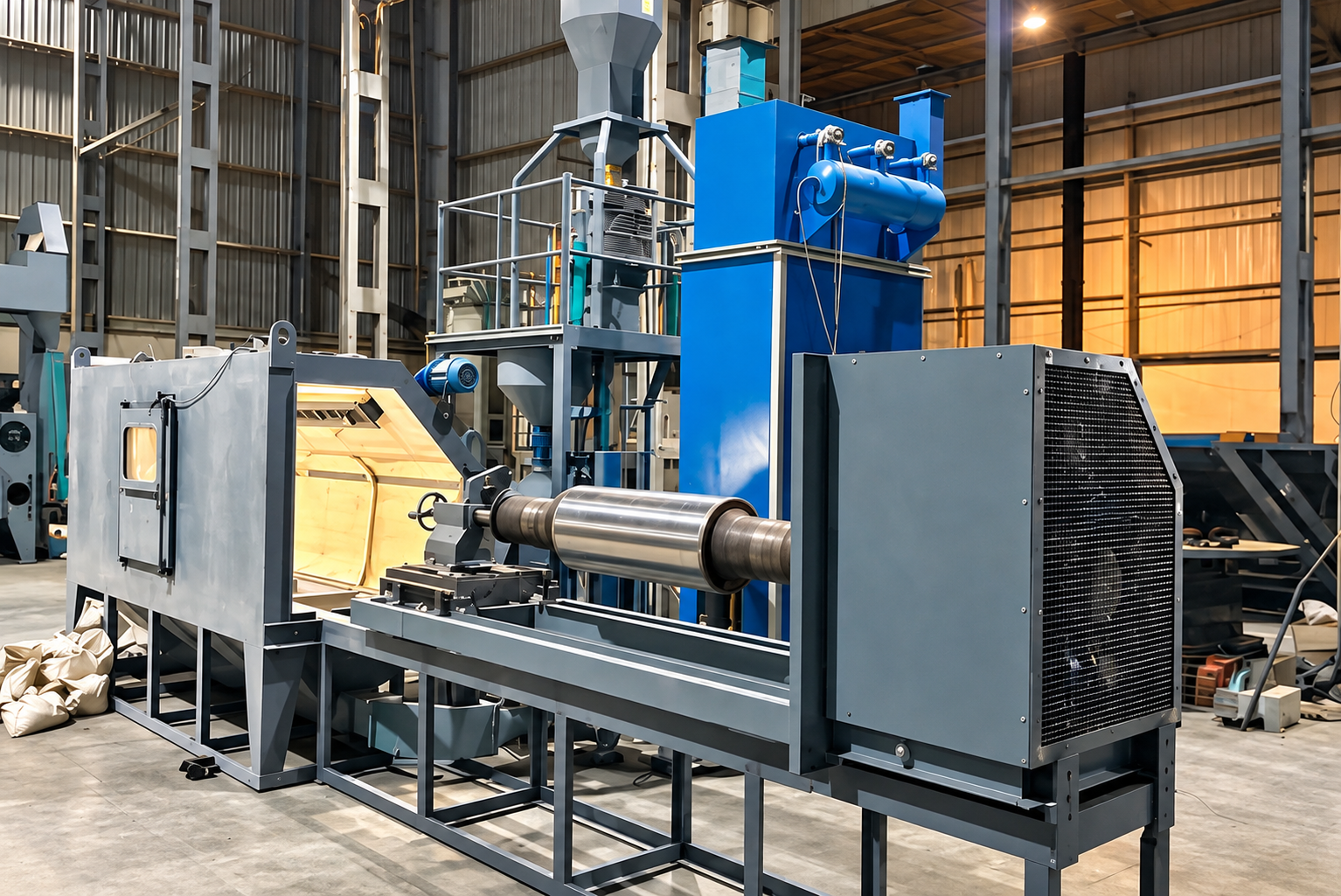
Working Process of
Roll Etching Machine
- Precision roll surface etching process
- Consistent surface texture and finish
- Designed for industrial roll applications
- Suitable for application-specific etching requirements
Roll Etching Machine Selection
Which Roll Etching Machine Configuration Should You Choose?
The right Roll Etching Machine should be selected according to the material type, thickness, width, required etching pattern, production volume and required etching process. Use the guide below to identify a suitable machine configuration for your application.
| Production Requirement / Application | Recommended Configuration | Why It Is Suitable |
|---|---|---|
| Continuous roll-to-roll production | Roll-to-Roll Etching | Designed to process material continuously from an unwind roll through the etching section and onto a rewind roll. |
| Metal foils and thin sheets | Precision Roll Etching | Supports controlled etching of suitable thin metal materials when matched to the required thickness and process chemistry. |
| Consistent etching across the web | Controlled Web Etching | Helps maintain consistent material movement and process exposure across the working width. |
| Patterned or selectively etched surfaces | Pattern Etching Setup | Can be configured around the required mask, pattern, etching depth and material specification. |
| High-volume repeat production | Automated Roll Etching | Suitable for repeatable production runs where feed speed, process time and quality checks need to be controlled. |
| Different material widths | Width-Specific Configuration | Working width and roll handling should be selected according to the material dimensions and production target. |
| Accurate etching depth or finish | Precision Process Control | Process parameters should be established through material trials and verified against the required finish and tolerance. |
| Integrated production line | Custom Roll-to-Roll Line | Can be planned around upstream feeding, rinsing or drying requirements, inspection and downstream winding as applicable. |
Need help selecting the right Roll Etching Machine? Machine selection should not be based only on the machine name. For an accurate recommendation, the manufacturer should evaluate material type, material thickness, working width, etching pattern, required etching depth, production quantity, line speed, process chemistry and available floor space.
Get the right Roll Etching Machine configuration for your production requirements.
Get Expert AdviceRoll Etching Technology
Working Process of Roll Etching Machine
Airless Shot Blasting Machines use a high-speed rotating blast wheel to accelerate metallic abrasive media and direct it onto the component surface for fast and uniform surface preparation.
How Does a Roll Etching Machine Work?
An Airless Shot Blasting Machine works on centrifugal blasting technology rather than using compressed air as the primary method of abrasive acceleration. The abrasive media is delivered to a rapidly rotating blast wheel, which throws the abrasive at high velocity onto the component surface.
When the abrasive particles impact the surface, they remove rust, scale, old coatings, sand and other unwanted contaminants. This produces a clean and properly prepared surface suitable for painting, coating, welding and other industrial processes.
After blasting, the used abrasive is collected and separated from dust and debris. Suitable abrasive media can then be recirculated through the blasting system, helping improve abrasive utilisation and supporting high-production operation.
Roll Etching Process
Roll Loading & Positioning
The component is loaded into the appropriate blasting chamber using a hanger, table, tumblast or conveyor arrangement according to the machine configuration.
Process Setup
Selected metallic abrasive media is supplied to the blasting system and directed towards the rotating blast wheel.
Etching Operation
The motor-driven blast wheel rotates at high speed and accelerates the abrasive through centrifugal force.
Pattern Formation
The accelerated abrasive strikes the component surface, removing rust, scale, sand, old coatings and other surface contaminants.
Cleaning & Finishing
After blasting, abrasive and debris are collected. The recovery and separation system helps separate reusable abrasive from unwanted contaminants.
Process Control
Dust and fine particles generated during blasting are extracted through the industrial dust collection system, helping maintain cleaner machine operation.
Ready for Production
Depending on the machine type and automation level, components can be processed batch-wise or continuously for high-production industrial surface preparation.
Roll Etching Workflow
Roll Loading & Positioning → Process Setup → Etching System → Abrasive Impact → Cleaning & Finishing → Process Control → Clean Surface
In the dynamic world of manufacturing, where surface aesthetics and functional textures play a crucial role, the demand for highly precise and efficient etching solutions is ever-growing. For businesses seeking to achieve intricate patterns, enhanced grip, or specific tactile qualities on their rolls, partnering with a reliable Roll Etching Machine Manufacturer in India is paramount. These specialized machines are the backbone of industries ranging from textiles and leather to packaging and wallpaper, enabling the creation of consistent, high-quality, and repeatable surface patterns that define product excellence.
Roll Etching Machine Manufacturer in India: Precision and Innovation in Surface Patterning
In the dynamic world of manufacturing, where surface aesthetics and functional textures play a crucial role, the demand for highly precise and efficient etching solutions is ever-growing. For businesses seeking to achieve intricate patterns, enhanced grip, or specific tactile qualities on their rolls, partnering with a reliable Roll Etching Machine Manufacturer in India is paramount. These specialized machines are the backbone of industries ranging from textiles and leather to packaging and wallpaper, enabling the creation of consistent, high-quality, and repeatable surface patterns that define product excellence.
India, with its burgeoning manufacturing sector and technological advancements, has emerged as a significant hub for producing advanced industrial machinery. Manufacturers here are combining indigenous engineering prowess with global standards to deliver state-of-the-art roll etching solutions that meet diverse industrial needs. This article delves into the intricacies of roll etching technology, highlights the capabilities of leading Indian manufacturers, and provides essential insights for anyone looking to invest in these critical machines.
Table of Contents
- Understanding Roll Etching Machines: The Core Technology
- Why Precision Etching Matters: Applications Across Industries
- Key Features to Look for in a Roll Etching Machine Manufacturer in India
- The Manufacturing Process and Quality Control Standards
- Advancements and Innovation in Roll Etching Technology
- Choosing the Right Roll Etching Machine Manufacturer in India: A Strategic Decision
- Benefits of Investing in a Quality Roll Etching Machine
- Common Mistakes to Avoid When Procuring a Roll Etching Machine
- Practical Tips for Optimizing Your Etching Process
- FAQ About Roll Etching Machines
- Conclusion
Understanding Roll Etching Machines: The Core Technology
A roll etching machine is an industrial apparatus designed to create intricate patterns, textures, or designs onto the surface of various types of rolls, typically made of steel, copper, or other metals. The primary objective is to transfer a specific pattern from a design source onto the roll surface with high precision and repeatability. This patterned roll then serves as a master for embossing, printing, or texturing materials in subsequent manufacturing processes.
The technology behind roll etching primarily involves chemical etching or sometimes laser etching, depending on the desired outcome and material. Chemical etching, a widely used method, involves applying a photoresist layer to the roll, exposing it to UV light through a patterned mask, and then developing the resist. The exposed areas are then etched away using a chemical solution, leaving the desired pattern. Modern machines incorporate advanced control systems, automation, and precise chemical handling to ensure uniform etching depth and pattern integrity.
The evolution of these machines has been driven by the need for greater detail, faster processing times, and enhanced environmental safety. Today's roll etching machines are sophisticated pieces of equipment, representing a significant investment for any manufacturing operation but offering unparalleled capabilities in surface patterning. For any company looking to elevate its product quality, finding a competent Roll Etching Machine Manufacturer in India is a critical first step.
Why Precision Etching Matters: Applications Across Industries
The importance of precision in roll etching cannot be overstated. A flawlessly etched roll ensures that the final product maintains consistent quality, aesthetic appeal, and functional performance. Any deviation in the etching process can lead to defects, reduced product lifespan, and significant material waste. Precision etching is the cornerstone of several industries:
- Textile Industry: Etched rolls are vital for creating specific textures, patterns, and finishes on fabrics, impacting everything from fashion to technical textiles.
- Leather and Artificial Leather: To mimic natural leather grains or create unique designs for upholstery, footwear, and accessories.
- Wallpaper and Decorative Laminates: For imprinting intricate designs and textures that give depth and character to interior surfaces.
- Packaging Industry: Providing tactile elements, anti-slip properties, or branding patterns on films, foils, and paperboards.
- Non-woven Fabrics: For bonding patterns, enhancing liquid absorption, or creating specific tactile qualities in hygiene products or industrial filters.
- Rubber and Plastic Industries: To create anti-slip surfaces, aesthetic patterns, or functional textures on various molded products.
Each of these applications demands specific etching depths, angles, and resolutions. A versatile Roll Etching Machine Manufacturer in India understands these varied requirements and designs machines capable of delivering the exact specifications needed for diverse industrial applications, ensuring maximum utility and return on investment for their clients.
Key Features to Look for in a Roll Etching Machine Manufacturer in India
When selecting a roll etching machine, particularly from a diverse market like India, certain features indicate a high-quality, reliable, and efficient system. These features directly impact the machine's performance, longevity, and ease of use:
- High Precision and Repeatability: The ability to consistently produce identical patterns with minimal deviation, crucial for large-scale production.
- Advanced Control Systems: Modern machines often feature PLC (Programmable Logic Controller) or CNC (Computer Numerical Control) systems for automated, precise control over the etching process, temperature, chemical concentration, and roll rotation.
- Robust Construction: Durability is key for industrial machinery. Look for machines built with high-quality, corrosion-resistant materials suitable for chemical environments.
- Versatility in Roll Sizes and Materials: A good machine should accommodate a range of roll dimensions and be compatible with various metals (steel, copper, aluminum) to offer flexibility.
- Environmental Safety Features: Systems for chemical containment, fume extraction, and wastewater treatment are essential for operational safety and environmental compliance.
- Energy Efficiency: Modern designs aim to reduce power consumption without compromising performance, leading to lower operating costs.
- User-Friendly Interface: Intuitive controls and easy-to-understand software minimize training time and operational errors.
- Integrated Washing and Drying Systems: Efficient post-etching cleaning and drying processes are vital for preventing stains and ensuring pattern clarity.
- Comprehensive Support and Service: A reputable Roll Etching Machine Manufacturer in India will offer excellent after-sales support, including installation, training, maintenance, and readily available spare parts.
Evaluating these features meticulously will help buyers make an informed decision, ensuring they acquire a machine that not only meets their current needs but also supports future growth and technological advancements.
The Manufacturing Process and Quality Control Standards
The journey of a roll etching machine from concept to installation is a testament to meticulous engineering and stringent quality control. A leading Roll Etching Machine Manufacturer in India adheres to internationally recognized standards throughout their production cycle, ensuring each machine delivers optimal performance and reliability.
The manufacturing process typically begins with detailed design and engineering, utilizing CAD/CAM software to create precise blueprints. Component fabrication follows, where raw materials are precisely cut, machined, and welded. Critical parts, such as the etching tank, roll rotation mechanism, and chemical delivery system, are often made from specialized corrosion-resistant alloys to withstand the harsh chemical environment.
Quality control is integrated at every stage. During component manufacturing, dimensions are checked against specifications, and material integrity is verified. Assembly involves rigorous testing of sub-systems – electrical, mechanical, and pneumatic. The control panel and software undergo extensive testing to ensure accurate and reliable operation. Finally, the complete machine undergoes a series of performance tests, including trial runs with actual rolls to verify etching depth, pattern accuracy, and overall operational stability. This comprehensive approach to quality ensures that the final product is robust, efficient, and capable of delivering consistent high-quality etching.
Advancements and Innovation in Roll Etching Technology
The field of roll etching is continuously evolving, driven by demands for finer details, faster processing, and more sustainable practices. Indian manufacturers are at the forefront of adopting and developing these innovations.
- Automated Chemical Dosing and Management: Modern machines feature sophisticated systems that monitor and automatically adjust chemical concentrations, temperature, and flow rates, optimizing etching consistency and reducing chemical waste.
- Enhanced Imaging Systems: Advances in photoresist technology and UV exposure systems allow for the creation of incredibly fine details and complex patterns with higher resolution.
- Hybrid Etching Technologies: Some systems integrate chemical and laser etching capabilities, offering unparalleled versatility for different materials and pattern complexities.
- Remote Monitoring and Diagnostics: IoT-enabled machines can be monitored remotely, allowing manufacturers to provide proactive maintenance support and troubleshoot issues without needing an on-site visit, improving uptime.
- Environmental Responsibility: Innovations in chemical recovery and waste treatment systems are making roll etching processes more environmentally friendly, minimizing the discharge of hazardous substances.
- Artificial Intelligence and Machine Learning: Emerging applications include AI-driven pattern optimization and predictive maintenance, further enhancing efficiency and reducing operational costs.
These innovations highlight the commitment of a forward-thinking Roll Etching Machine Manufacturer in India to provide cutting-edge solutions that empower their clients to stay competitive in a rapidly changing market.
Choosing the Right Roll Etching Machine Manufacturer in India: A Strategic Decision
The choice of a manufacturer is as crucial as the machine itself. A strategic partnership with the right Roll Etching Machine Manufacturer in India can ensure long-term success and operational efficiency. Here’s what to consider:
- Reputation and Experience: Look for manufacturers with a proven track record, extensive industry experience, and positive client testimonials. Their longevity in the market often indicates reliability and expertise.
- Technological Capability: Assess their R&D capabilities and willingness to incorporate the latest technologies. Do they offer customized solutions to meet specific production needs?
- Quality Certifications: Adherence to international quality standards like ISO is a strong indicator of their commitment to quality and best practices.
- After-Sales Support: This is paramount. Enquire about their service network, availability of spare parts, technical assistance, and training programs. A robust support system minimizes downtime and ensures smooth operation.
- Cost-Effectiveness and ROI: While initial cost is a factor, consider the total cost of ownership, including operational efficiency, maintenance, and potential for increased production quality and volume. A cheaper machine might end up costing more in the long run due to frequent breakdowns or poor performance.
- Customization and Scalability: Can the manufacturer provide machines tailored to your specific roll sizes, patterns, and production volumes? Can the system be upgraded or scaled in the future?
- Environmental Compliance: Ensure their machines meet local and international environmental regulations, especially regarding chemical handling and waste disposal.
By thoroughly evaluating these aspects, businesses can forge a strong partnership with a manufacturer that not only provides superior machinery but also acts as a reliable technical partner.
Benefits of Investing in a Quality Roll Etching Machine
Investing in a high-quality roll etching machine from a reputable Roll Etching Machine Manufacturer in India offers a multitude of benefits that can significantly impact a business's bottom line and competitive standing:
- Superior Product Quality: Precision etching ensures consistent, sharp, and high-fidelity patterns, leading to end products with enhanced aesthetic appeal and functional performance. This translates to higher customer satisfaction and brand reputation.
- Increased Production Efficiency: Automated and reliable machines reduce manual labor, minimize errors, and accelerate the etching process, leading to higher throughput and faster time-to-market.
- Cost Reduction: By reducing material waste due to defective rolls, optimizing chemical usage, and lowering energy consumption, quality machines contribute to significant operational cost savings over time.
- Versatility and Customization: Modern machines can handle a wide range of roll materials and designs, allowing for greater flexibility in product development and customization to meet specific client demands.
- Competitive Advantage: The ability to produce unique, high-quality textured or patterned materials gives businesses a distinct edge in the market, enabling them to offer innovative products that competitors might struggle to replicate.
- Durability and Longevity: Machines built with robust materials and superior engineering require less frequent maintenance and have a longer operational life, providing a better return on investment.
- Reduced Downtime: Reliable machines, coupled with excellent after-sales support and readily available spare parts from the manufacturer, ensure minimal interruptions to production. This is often an advantage when working with a local Roll Etching Machine Manufacturer in India.
These benefits collectively underscore the strategic value of choosing the right equipment and the right supplier for your roll etching needs.
Common Mistakes to Avoid When Procuring a Roll Etching Machine
Making an informed decision is crucial when investing in significant industrial machinery. Avoiding common pitfalls can save time, money, and operational headaches. Here are some mistakes to steer clear of:
- Underestimating Production Needs: Purchasing a machine that cannot handle your current or future production volume or roll size can lead to bottlenecks and the need for early replacement. Always project future growth.
- Ignoring After-Sales Support: Focusing solely on the purchase price without considering the quality and availability of after-sales service, spare parts, and technical assistance is a common error. Poor support can lead to prolonged downtime and higher lifetime costs.
- Neglecting Safety Features: Etching involves chemicals. Overlooking proper ventilation, chemical containment, and safety interlocks can lead to hazardous working conditions and regulatory non-compliance.
- Failing to Verify Quality Standards: Simply trusting claims of quality without verifying certifications, inspecting manufacturing facilities, or checking references can result in acquiring a subpar machine.
- Not Considering Customization Options: Standard machines might not always fit unique requirements. Failing to discuss customization possibilities with the Roll Etching Machine Manufacturer in India can limit your operational flexibility.
- Skipping Training: Insufficient operator training leads to inefficient machine operation, increased errors, and potential damage to the equipment or rolls. Ensure the manufacturer provides comprehensive training.
- Ignoring Environmental Regulations: The disposal of etching chemicals and wastewater is strictly regulated. Not ensuring the machine and your processes comply with environmental standards can lead to severe penalties.
By being aware of these potential pitfalls, businesses can approach their purchase with greater caution and diligence, ensuring a successful investment.
Practical Tips for Optimizing Your Etching Process
Even with the best equipment from a reliable Roll Etching Machine Manufacturer in India, optimizing the etching process requires ongoing attention to detail and best practices. Here are some practical tips:
- Regular Chemical Analysis: Routinely monitor the concentration, temperature, and purity of your etching chemicals. Consistent chemical parameters are crucial for uniform etching.
- Maintain Cleanliness: Keep the etching tank and surrounding area impeccably clean. Any dust, debris, or chemical residue can contaminate the process and affect pattern quality.
- Optimize Photoresist Application: Ensure a uniform and defect-free application of the photoresist layer. Proper thickness and curing are critical for accurate pattern transfer.
- Calibrate UV Exposure: Regularly calibrate your UV exposure unit to ensure consistent light intensity and exposure times. Over or under-exposure can lead to etching inconsistencies.
- Proper Roll Preparation: Thoroughly clean and degrease rolls before applying photoresist. Surface contaminants can prevent proper adhesion and lead to etching defects.
- Scheduled Maintenance: Adhere strictly to the manufacturer's recommended maintenance schedule. Regular checks of pumps, filters, sensors, and mechanical components prevent unexpected breakdowns and extend machine life.
- Operator Training and Skill Development: Continuously train operators on best practices, troubleshooting, and new techniques. A skilled operator is key to consistent high-quality output.
- Document and Analyze Results: Keep detailed records of etching parameters, roll types, and final results. This data can be invaluable for process optimization and troubleshooting. Utilize feedback loops to continuously refine your process, much like how developers use Google Search documentation to refine their SEO strategies.
- Invest in Quality Consumables: Do not compromise on the quality of photoresists, chemicals, and masks. Inferior consumables can undo the benefits of a high-quality machine.
By implementing these tips, businesses can maximize the performance of their roll etching machines, achieve superior results, and maintain a competitive edge.
FAQ About Roll Etching Machines
Q1: What types of rolls can be etched by these machines?
Roll etching machines are versatile and can etch various types of rolls, primarily made of metals such as mild steel, stainless steel, copper, and sometimes aluminum. The specific capabilities depend on the machine's design and the etching chemicals used. A good manufacturer will offer solutions for different materials and roll sizes.
Q2: How does chemical etching compare to laser etching for rolls?
Chemical etching is traditionally known for producing very uniform and repeatable patterns over large roll surfaces, often preferred for delicate or intricate designs. Laser etching, while precise, can sometimes be slower for very large areas and may leave different surface characteristics. The choice often depends on the material, desired pattern complexity, and production volume. Many modern manufacturers can advise on the best method for specific applications.
Q3: What are the primary maintenance requirements for a roll etching machine?
Key maintenance tasks include regular cleaning of the etching tank and components, monitoring and replenishing etching chemicals, checking and replacing filters, inspecting pumps and spray nozzles, and lubricating mechanical parts. Electrical systems also require periodic checks. Adhering to the maintenance schedule provided by the Roll Etching Machine Manufacturer in India is crucial for longevity and performance.
Q4: Can roll etching machines be customized for specific industrial needs?
Absolutely. Most reputable manufacturers offer a degree of customization. This can include adapting the machine for specific roll dimensions (length and diameter), integrating specialized control systems, customizing chemical handling features, or designing for unique pattern requirements. It's advisable to discuss your precise needs with the manufacturer during the inquiry stage.
Q5: What factors influence the cost of a roll etching machine?
The cost is influenced by several factors, including the machine's size and capacity, the level of automation and control systems, the complexity of its features (e.g., chemical recovery systems, dual etching capabilities), the materials used in construction, and the manufacturer's brand reputation and after-sales support package. Higher precision and larger capacity machines typically come with a higher price tag.
Q6: Why choose a Roll Etching Machine Manufacturer in India over international options?
Choosing a manufacturer in India offers several advantages, including competitive pricing without compromising on quality, easier access to local technical support and spare parts, shorter lead times for delivery and service, and often a better understanding of local market needs and regulations. Indian manufacturers are increasingly producing machines that meet global quality standards, providing an excellent balance of cost-effectiveness and performance.
Conclusion
The role of a reliable Roll Etching Machine Manufacturer in India is indispensable for industries that rely on precision surface patterning. These machines are not just equipment; they are critical enablers of product innovation, quality consistency, and operational efficiency. By understanding the technology, recognizing the importance of quality features, and making a strategic choice of manufacturer, businesses can unlock significant competitive advantages.
As India continues to solidify its position as a global manufacturing hub, manufacturers of roll etching machines in the country are dedicated to delivering advanced, high-performance, and environmentally responsible solutions. Investing wisely in a quality machine and maintaining a strong partnership with your chosen manufacturer will ensure that your etching processes remain at the forefront of precision and productivity, paving the way for continued success in diverse industrial applications.