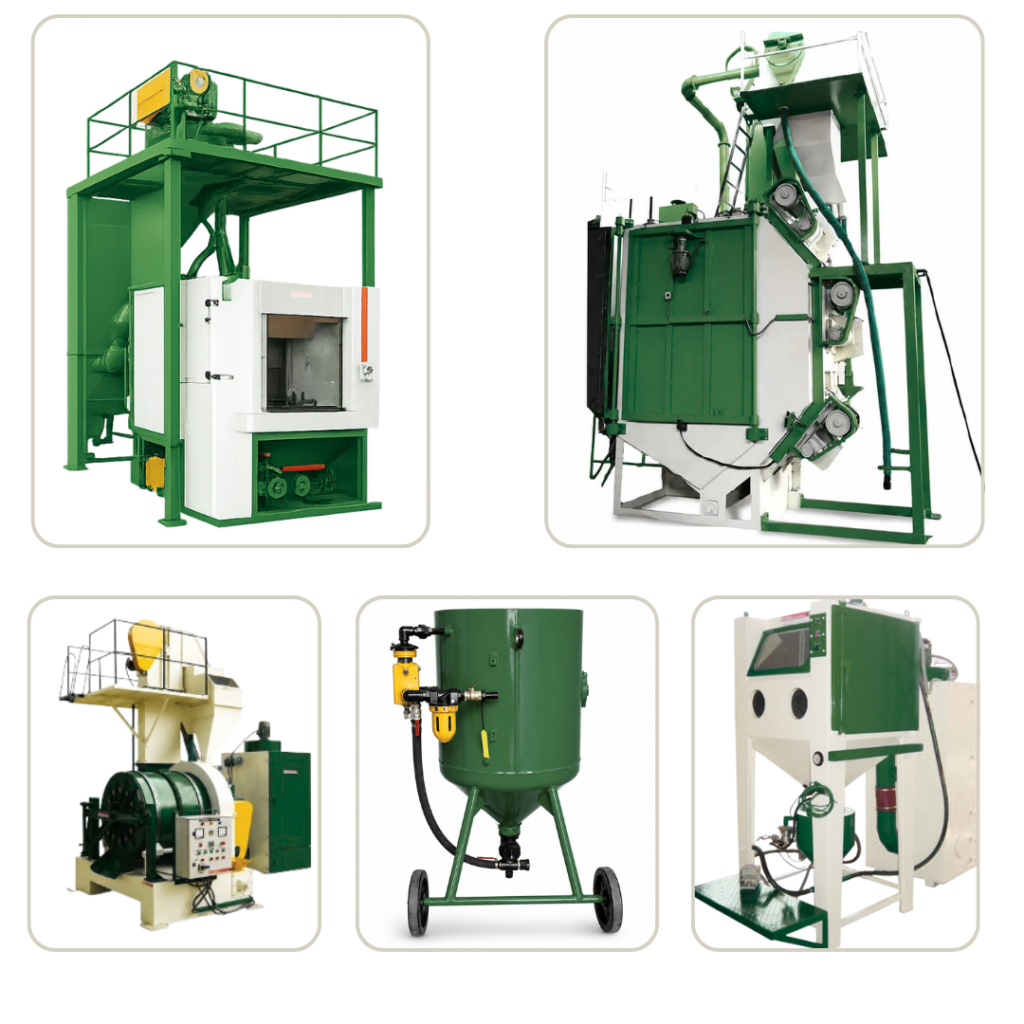
INDUSTRIAL SURFACE PREPARATION

Vacuum Blasting Machine Manufacturer in India

Engineered for Performance. Built for Industry.

Surface International is a leading manufacturer of Vacuum Blasting Machines and industrial surface preparation equipment in India. We offer suction and pressure type vacuum blasting solutions for cleaning, rust removal, paint removal and industrial surface treatment.

    20+ Years Experience
    Custom Engineered
    Industrial Grade
    Pan India Support
    2006 Established
    20+ Years Experience
    100+ Clients
    80+ Experts
    01 / 03
    Vacuum Blasting Machine
    01
    Vacuum Blasting Machine Industrial Surface Preparation Solution
    Explore Our Vacuum Blasting Solutions
    Vacuum Blasting Technology

    Working Process of
    Vacuum Blasting Machine

    Vacuum blasting is designed for controlled and dust-reduced surface preparation. The system combines abrasive blasting with simultaneous vacuum recovery for efficient industrial cleaning and surface treatment.

    • Dust-reduced vacuum blasting technology
    • Controlled abrasive recovery system
    • Suction and pressure type configurations
    • Suitable for industrial surface preparation
    Vacuum Blasting Machine
    VACUUM BLASTING MACHINES

    Vacuum Blasting Machine Types

    Industrial vacuum blasting solutions for controlled, dust-free surface preparation, rust removal, paint removal, cleaning and maintenance applications.

    View Vacuum Machines
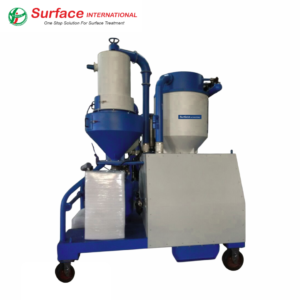
    Suction Vacuum Type Blasting Machine
    01
    SUCTION VACUUM TYPE

    Suction Vacuum Type Blasting Machine

    Suction Vacuum Type Blasting Machine designed for controlled and dust-free surface preparation, rust removal, paint removal and industrial maintenance.

    Machine Type Suction Vacuum
    Operation Controlled
    Applications
    Rust Removal Paint Removal Cleaning
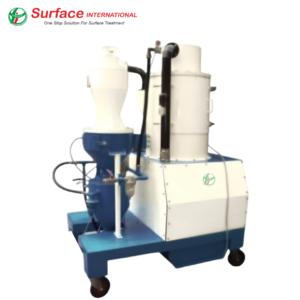
    Pressure Vacuum Type Blasting Machine
    02
    PRESSURE VACUUM TYPE
    INDUSTRIAL

    Pressure Vacuum Type Blasting Machine

    Pressure Vacuum Type Blasting Machine engineered for intensive surface preparation with controlled abrasive blasting and vacuum recovery for industrial applications.

    Machine Type Pressure Vacuum
    Process High Performance
    Applications
    Heavy Cleaning Paint Removal Industrial

    Vacuum Blasting Machine Selection

    Which Vacuum Blasting Machine Should You Choose?

    The right Vacuum Blasting Machine depends on the surface condition, component size, blasting requirement, production application and level of dust control required. Use the guide below to identify the suitable machine type.

    Production Requirement / Application Recommended Machine Type Why It Is Suitable
    Light to medium surface cleaning Suction Vacuum Type Suitable for controlled surface cleaning, rust removal and paint removal where precise abrasive application is required.
    Dust-controlled maintenance work Suction Vacuum Type Designed for applications where abrasive recovery and reduced dust generation are important during surface preparation.
    Intensive surface preparation Pressure Vacuum Type Provides higher blasting intensity for demanding industrial surface preparation and coating removal.
    Heavy rust and coating removal Pressure Vacuum Type Suitable for tougher surface conditions where stronger abrasive blasting performance is required.
    Industrial component cleaning Pressure Vacuum Type Designed for demanding industrial cleaning applications requiring efficient blasting and vacuum recovery.
    Localized and controlled blasting Suction Vacuum Type A practical choice for controlled blasting on selected areas of components and surfaces.
    High-performance surface treatment Pressure Vacuum Type Recommended when stronger abrasive impact and efficient surface treatment are required.
    Maintenance and repair applications Suction Vacuum Type Suitable for maintenance-oriented blasting where controlled cleaning and reduced abrasive spread are important.

    Need help selecting the right machine? Machine selection should not be based only on the machine name. For an accurate recommendation, consider component dimensions, component material, surface condition, coating type, required cleanliness, blasting area, production requirement and dust-control requirements.

    Get the right Vacuum Blasting Machine configuration for your surface preparation requirements.

    WhatsApp

    Vacuum Blasting Technology

    Working Process of Vacuum Blasting Machine

    Vacuum Blasting Machines combine abrasive blasting with vacuum recovery to provide controlled surface preparation with reduced dust and abrasive spread. Surface International offers Suction Vacuum Type and Pressure Vacuum Type solutions for industrial cleaning and coating preparation.

    How Does a Vacuum Blasting Machine Work?

    A Vacuum Blasting Machine performs surface preparation by directing abrasive media onto the surface while simultaneously recovering the used abrasive, dust and removed contaminants through a vacuum system.

    In the Suction Vacuum Type, abrasive media is drawn and delivered through the blasting system while the vacuum recovery arrangement collects spent abrasive and contaminants from the working area.

    In the Pressure Vacuum Type, abrasive media is propelled under pressure for stronger blasting performance. The vacuum recovery system helps collect abrasive and contaminants generated during the process.

    Controlled Blasting Abrasive is directed towards the required surface area.
    Vacuum Recovery Used abrasive and contaminants are recovered from the work area.
    Dust Control Vacuum extraction helps reduce dust and abrasive spread.
    Surface Preparation Removes rust, paint, coatings and surface contaminants.

    Vacuum Blasting Process

    01

    Surface & Component Preparation

    The component or surface is positioned and the required blasting area is prepared before starting the operation.

    02

    Abrasive Feeding

    Suitable abrasive media is supplied to the vacuum blasting system according to the required application.

    03

    Abrasive Blasting

    The abrasive is directed onto the surface to remove rust, paint, scale, coatings and other contaminants.

    04

    Vacuum Recovery

    Used abrasive, dust and removed surface contaminants are drawn into the recovery system during blasting.

    05

    Separation & Collection

    The recovery system separates collected abrasive and contaminants to support efficient system operation.

    06

    Clean Surface

    The treated surface is left clean and prepared for painting, coating, repair or further industrial work.

    Simple Working Flow

    Surface Preparation  →  Abrasive Feeding  →  Vacuum Blasting  →  Surface Cleaning  →  Vacuum Recovery  →  Separation  →  Clean Surface

      Leave your contacts and we will call you.

      Just submit your details and we’ll be in touch shortly.

      sand blasting machine

      Vacuum Blasting Machine is an advanced dust-controlled surface preparation solution designed for rust removal, coating removal, cleaning and industrial surface treatment.

      Vacuum Blasting Machine

      A Vacuum Blasting Machine is an advanced surface preparation system designed to combine abrasive blasting with immediate vacuum recovery. The machine is suitable for controlled and dust-reduced cleaning of metal surfaces, industrial components and other substrates.

      Unlike conventional open-air blasting methods, vacuum blasting captures abrasive media, dust and removed contaminants at the blasting point. This contained process helps reduce airborne dust and makes vacuum blasting suitable for indoor, sensitive and controlled working environments.

      Understanding Vacuum Blasting Technology

      Vacuum blasting, also referred to as dustless blasting or closed-circuit blasting, combines abrasive blasting with immediate vacuum recovery. Abrasive media is propelled onto the surface while the vacuum system collects the spent abrasive, dust and removed contaminants.

      The blasting head creates a controlled working area around the surface. After abrasive impact, the spent material is immediately suctioned back through the vacuum head. The recovered mixture can then be separated so that reusable abrasive is recycled while dust and debris are collected for disposal.

      Types of Vacuum Blasting Machines

      Vacuum blasting machines are generally available in different configurations according to the required blasting intensity, application, surface condition and working environment.

      • Pressure Type Vacuum Blasting Machine – designed for demanding applications where stronger abrasive blasting performance and faster material removal are required.
      • Suction Type Vacuum Blasting Machine – suitable for lighter and controlled blasting applications, particularly where compact operation and accessibility are important.

      Both pressure and suction vacuum blasting systems provide the major advantage of combining surface preparation with immediate vacuum recovery. The right configuration depends on the project scale, surface condition, abrasive requirement and desired finish.

      Pressure Type Vacuum Blasting Machine

      Pressure Type Vacuum Blasting Machines are generally selected for heavy-duty surface preparation where faster and more intensive material removal is required. Abrasive media is stored in a pressurized vessel and propelled through the blasting nozzle using compressed air.

      • High Efficiency: Suitable for larger surface areas and stubborn contaminants.
      • Faster Cleaning: Higher blasting intensity can help reduce cleaning time.
      • Versatility: Suitable for a wide range of industrial abrasive blasting applications.

      Suction Type Vacuum Blasting Machine

      Suction Type Vacuum Blasting Machines are generally more compact and suitable for lighter or controlled surface preparation applications. In a suction system, abrasive is drawn into the blast gun through the compressed-air flow before being propelled onto the surface.

      • Compact Design: Easier to handle and suitable for confined or restricted working areas.
      • Simpler Operation: Suitable for less intensive cleaning and maintenance applications.
      • Controlled Blasting: Useful where localized and controlled surface preparation is required.

      Key Components of a Vacuum Blasting System

      A typical vacuum blasting system consists of several integrated components that work together to provide controlled blasting and abrasive recovery.

      • Blast Pot: Stores the abrasive media. In pressure systems it operates as a pressurized vessel, while suction systems use a suitable abrasive reservoir.
      • Blast Hose and Nozzle: Delivers abrasive to the surface and controls the blast pattern and abrasive velocity.
      • Vacuum Head / Shroud: Surrounds the blasting area and helps capture spent abrasive, dust and removed contaminants.
      • Vacuum Hose: Connects the vacuum head with the vacuum recovery system and transports recovered material.
      • Vacuum Recovery Unit: Creates suction and collects dust and used abrasive while supporting filtration and recovery.
      • Abrasive Separator / Recycler: Separates reusable abrasive from dust and unwanted debris for improved abrasive utilisation.
      • Control Panel: Allows operators to control important machine parameters according to the application.

      Applications of Vacuum Blasting Machines

      Vacuum blasting machines are used across multiple industries where controlled surface preparation and dust management are important.

      • Shipbuilding and Marine: Hull preparation, rust removal and old paint removal.
      • Oil and Gas: Maintenance of pipelines, storage tanks and industrial structures.
      • Aviation: Controlled paint and corrosion removal from suitable aircraft components.
      • Construction and Infrastructure: Concrete preparation, coating removal and cleaning of structural surfaces.
      • Automotive: Component cleaning, paint preparation and restoration work.
      • Heritage Restoration: Controlled cleaning of sensitive structures and surfaces where excessive dust must be avoided.
      • Power Generation: Cleaning and maintenance of turbines, generators and plant equipment.
      • General Manufacturing: Surface preparation before welding, painting and coating.

      Benefits of Vacuum Blasting Machines

      • Dust-Controlled Operation: Vacuum recovery captures abrasive and contaminants close to the blasting point.
      • Enhanced Operator Safety: Reduced airborne dust can improve visibility and help reduce exposure to contaminants.
      • Environmental Benefits: The contained blasting process helps reduce dust and uncontrolled abrasive spread.
      • Abrasive Recovery: Reusable abrasive can be separated from dust and debris depending on the system configuration.
      • Reduced Cleanup: Immediate recovery can reduce post-blasting cleaning requirements.
      • Consistent Surface Preparation: Controlled blasting can provide a uniform surface suitable for subsequent coating or treatment.
      • Portability: Selected vacuum blasting systems can be moved between suitable work areas.

      Choosing the Right Vacuum Blasting Machine Manufacturer

      Selecting the right Vacuum Blasting Machine Manufacturer is important because machine configuration directly affects performance, reliability, maintenance and operating efficiency.

      • Experience: Look for a manufacturer with relevant industrial surface preparation experience.
      • Machine Quality: Check construction quality, components, wear parts and manufacturing standards.
      • Technology: Consider vacuum recovery, filtration, abrasive recovery and control-system capabilities.
      • Customization: The manufacturer should be able to configure the system according to specific application requirements.
      • After-Sales Support: Availability of spare parts, technical assistance and maintenance support is important for industrial equipment.
      • Safety: Ensure the machine is designed with appropriate safety systems and operating procedures.
      • Value: Machine selection should consider total operating value, not only initial purchase price.

      Common Mistakes to Avoid When Using Vacuum Blasting Equipment

      • Incorrect Abrasive Media: Selecting unsuitable abrasive can reduce cleaning performance or damage the substrate.
      • Improper Nozzle Selection: Incorrect or worn nozzles can reduce blasting efficiency.
      • Neglecting Maintenance: Filters, hoses, seals and other components require regular inspection and maintenance.
      • Overloading the Vacuum System: Operating beyond the recovery capacity can reduce vacuum performance.
      • Poor Abrasive Separation: Incorrect separator adjustment can affect abrasive recycling efficiency.
      • Ignoring Safety Procedures: Vacuum blasting is still a high-energy industrial process and appropriate PPE should be used.
      • Insufficient Operator Training: Operators should understand machine operation, maintenance and troubleshooting procedures.
      • Incorrect Blast Pressure: Excessive or insufficient pressure can affect cleaning performance and surface condition.

      Practical Tips for Optimal Performance

      • Regular Inspection: Check hoses, nozzles, seals, filters and connections regularly.
      • Choose the Right Abrasive: Match abrasive type and size with the substrate and required surface profile.
      • Maintain Correct Blast Pressure: Follow recommended operating parameters for the selected application.
      • Clean Filters: Maintain dust collector filters to preserve vacuum efficiency.
      • Store Abrasive Properly: Keep abrasive media dry and protected from contamination.
      • Maintain Adequate Air Supply: Ensure the compressor can provide the required pressure and air volume.
      • Train Operators: Proper training helps improve machine efficiency and operational safety.
      • Monitor Abrasive Recovery: Check the recovery and separation system regularly.
      • Keep Wear Parts Available: Maintain essential nozzles, hoses, seals and other replacement components.

      Frequently Asked Questions About Vacuum Blasting Machines

      What is vacuum blasting?

      Vacuum blasting is a closed-circuit abrasive blasting process in which abrasive media, dust and removed contaminants are immediately recovered through a vacuum system. This helps provide controlled and dust-reduced surface preparation.

      What is the difference between pressure and suction vacuum blasting?

      Pressure Type Vacuum Blasting Machines are generally selected for more intensive blasting and faster material removal, while Suction Type Vacuum Blasting Machines are generally suitable for lighter, controlled and more compact applications.

      What abrasives can be used?

      Abrasive selection depends on the substrate, coating, contamination and required surface finish. Suitable systems may work with different abrasive media according to the machine configuration and application requirements.

      Can vacuum blasting machines be used indoors?

      Vacuum blasting is particularly useful in controlled environments because the vacuum system captures abrasive, dust and contaminants close to the blasting area. Suitability for a specific indoor application depends on the machine, ventilation and site conditions.

      How often should a vacuum blasting machine be maintained?

      Maintenance frequency depends on machine usage and operating conditions. Regular inspection of hoses, nozzles, seals, filters and recovery components is recommended, along with the maintenance schedule specified for the machine.

      What safety precautions are required?

      Operators should use appropriate PPE including eye protection, hearing protection, gloves and suitable work clothing. Proper compressed-air supply, machine inspection and operator training are also important for safe operation.

      Conclusion

      A Vacuum Blasting Machine provides a controlled approach to industrial surface preparation by combining abrasive blasting with immediate recovery of used abrasive, dust and contaminants. The technology is suitable for applications where surface cleaning, coating removal, rust removal and dust control are important.

      Surface International provides vacuum blasting solutions including Suction Type and Pressure Type Vacuum Blasting Machines. The appropriate machine should be selected according to component or surface requirements, contamination level, required blasting intensity, abrasive media, working environment and production requirements.