Sand Blasting Machine in USA: Your Comprehensive Guide to Surface Preparation
The quest for optimal surface preparation is critical across countless industries in the United States, from automotive repair and construction to marine maintenance and manufacturing. Achieving a clean, profiled surface for painting, coating, or bonding relies heavily on effective abrasive blasting techniques. Among these, sand blasting remains a cornerstone method, offering unparalleled efficiency and results. If you’re looking for a reliable Sand Blasting Machine in USA, understanding the various types, applications, and crucial considerations is paramount to making an informed investment. This guide delves deep into everything you need to know about selecting, operating, and maintaining the perfect sand blasting solution for your specific needs, ensuring you achieve superior surface finishes every time.
Explore Our Sand Blasting Machines
Explore our industrial blasting and surface preparation machines.
 01
01
 02
02
 03
03
 04
04
 05
05
 06
06
 07
07
 08
08
Table of Contents
- Understanding Sand Blasting Technology
- Types of Sand Blasting Machine in USA
- Factors to Consider When Choosing a Sand Blasting Machine in USA
- Leading Suppliers of Sand Blasting Machine in USA
- Benefits of Using the Right Sand Blasting Machine in USA
- Common Mistakes to Avoid When Operating a Sand Blasting Machine in USA
- Practical Tips for Maximizing Your Sand Blasting Machine’s Performance
- Frequently Asked Questions (FAQ) about Sand Blasting Machine in USA
- Conclusion
Understanding Sand Blasting Technology
Sand blasting, more broadly known as abrasive blasting, is a surface treatment process that involves forcibly propelling a stream of abrasive material against a surface under high pressure to smooth a rough surface, roughen a smooth surface, shape a surface, or remove surface contaminants. While originally using sand, modern blasting employs a variety of media, including glass beads, garnet, steel shot, plastic beads, and even walnut shells, each chosen for specific applications and environmental considerations. The core principle remains the same: a powerful stream of abrasive particles impacts the target surface, effectively cleaning, stripping, or profiling it. This technology is indispensable for preparing surfaces for subsequent coatings, removing rust, paint, and scale, or creating a desired aesthetic finish. Understanding the nuances of this process is the first step in appreciating the value of a high-quality Sand Blasting Machine in USA.
Key Applications of Abrasive Blasting
- Automotive Industry: Rust removal from car bodies, chassis, and engine parts before repainting or restoration.
- Construction and Infrastructure: Preparing concrete for new coatings, cleaning bridges, and removing old graffiti or paint from masonry.
- Marine Sector: Descaling ship hulls, preparing boat surfaces for anti-fouling paints, and maintaining offshore structures.
- Manufacturing and Fabrication: Deburring machined parts, creating uniform finishes, and preparing metal for welding or powder coating.
- Restoration Projects: Gently cleaning historical artifacts, statues, and old furniture without causing damage.
Types of Abrasives and Their Uses
The choice of abrasive media significantly impacts the outcome. Different materials offer varying levels of aggression, dust generation, and surface finish:
- Sand (Silica Sand): Traditional, but its use is declining due to health concerns (silicosis). Provides an aggressive cut.
- Garnet: A natural mineral, highly effective, low dust, recyclable, and environmentally friendly. Ideal for marine and industrial applications.
- Glass Beads: Produce a smooth, bright, satin finish without removing base material. Perfect for deburring, peening, and cleaning delicate parts.
- Steel Shot/Grit: Very aggressive. Steel shot creates a peened, smooth finish, while steel grit creates an etched, rougher profile for strong coating adhesion. Used for heavy-duty cleaning and surface hardening.
- Plastic Abrasives: Non-abrasive, used for removing paint and coatings from delicate substrates like aluminum without damaging the underlying material.
Selecting the correct abrasive for your Sand Blasting Machine in USA is crucial for achieving desired results and ensuring operational safety and efficiency.
Types of Sand Blasting Machine in USA
The market for a Sand Blasting Machine in USA offers a diverse range of equipment designed to meet various industrial and commercial needs. Each type has its unique advantages, making it suitable for specific applications, scale of operation, and budget considerations. Understanding these distinctions is key to selecting the right machine that will deliver optimal performance and longevity.
1. Portable Sand Blasters (Pressure Pot Blasters)
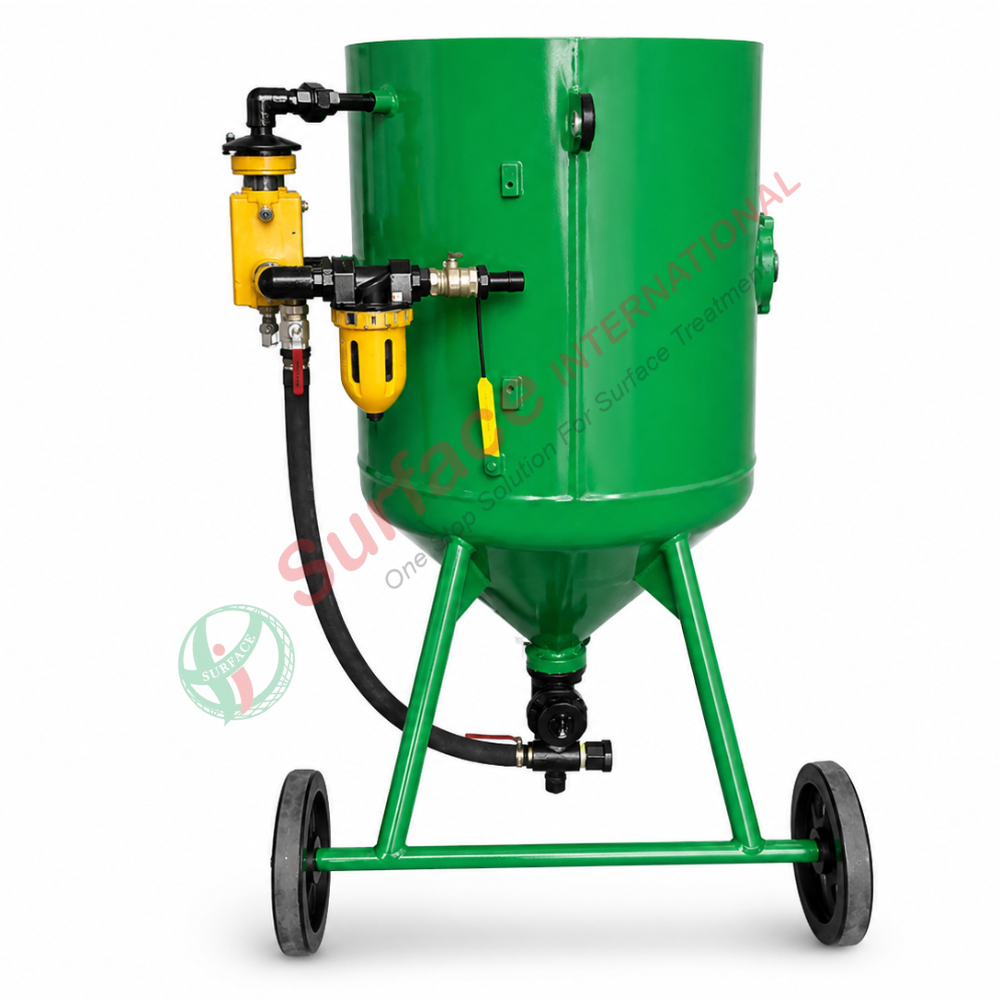
These are the most common and versatile sand blasting machines, ideal for on-site jobs, outdoor projects, and situations where the workpiece cannot be moved. They consist of a pressure vessel (pot) that holds the abrasive, an air compressor connection, a blasting hose, and a nozzle. The abrasive is pressurized within the pot and then forced out through the nozzle at high velocity. They offer excellent power and efficiency for rust removal, paint stripping, and surface profiling on larger or irregular items like vehicles, trailers, or structural steel. Many businesses looking for a flexible Sand Blasting Machine in USA often start with a portable unit due to its adaptability.
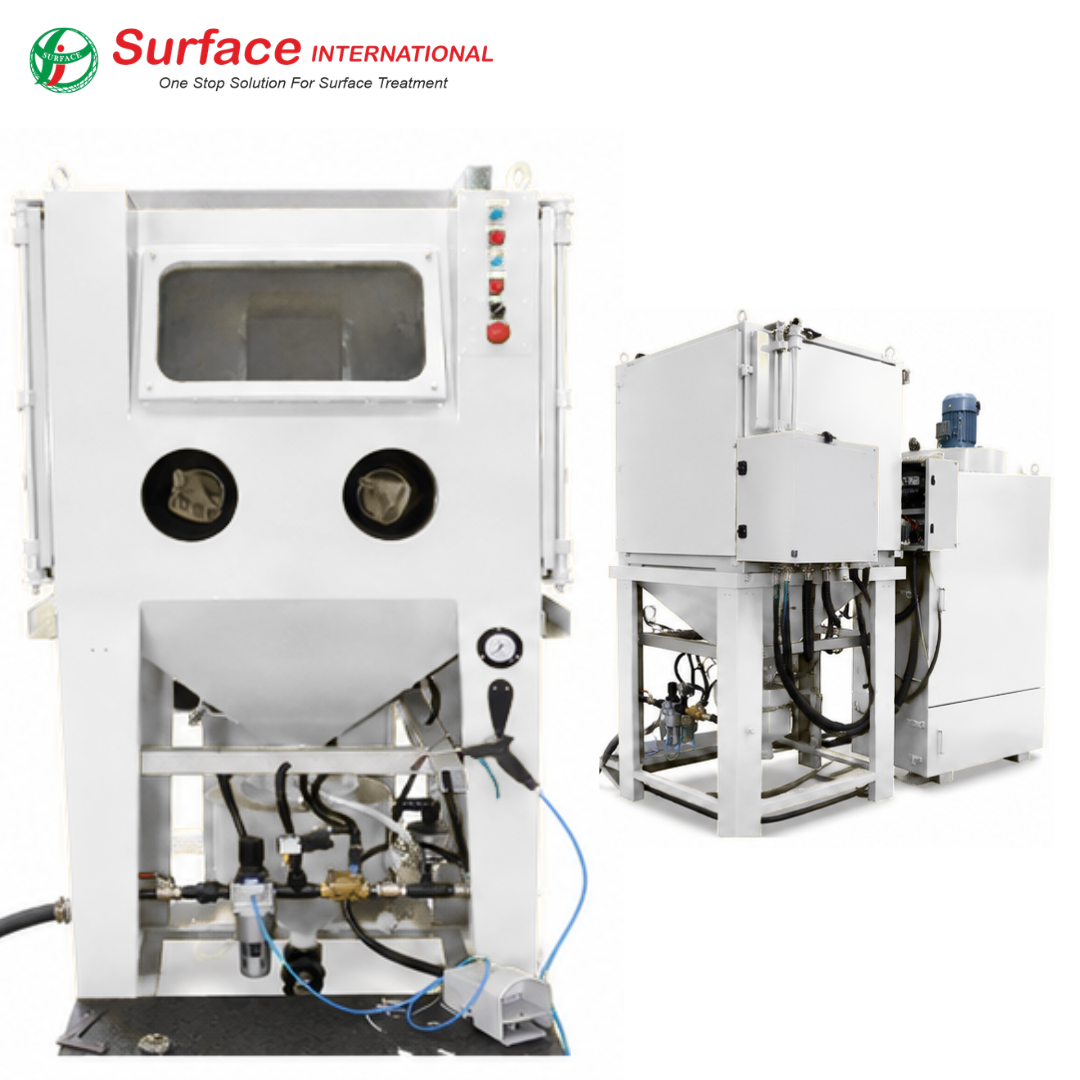
2. Cabinet Blasters (Blast Cabinets)
Blast cabinets are enclosed units where the operator places the workpiece inside and blasts it from outside, typically through gloves integrated into the cabinet. This design ensures dust and spent abrasive are contained, making them suitable for indoor use and smaller to medium-sized parts. They come in two main types:
- Suction Feed Blasters: These use a venturi effect to draw abrasive from a hopper into the airstream. They are generally less expensive, simpler to operate, and good for light to medium-duty work.
- Direct Pressure Feed Blasters: Similar to portable pressure pots, these pressurize the abrasive directly, offering much higher abrasive velocity and faster cleaning rates. They are ideal for heavy-duty work and processing parts quickly.
A blast cabinet is an excellent investment for workshops and manufacturing facilities needing a contained and efficient Sand Blasting Machine in USA for continuous, smaller-scale operations.
3. Vacuum Blasters (Dustless Blasters)
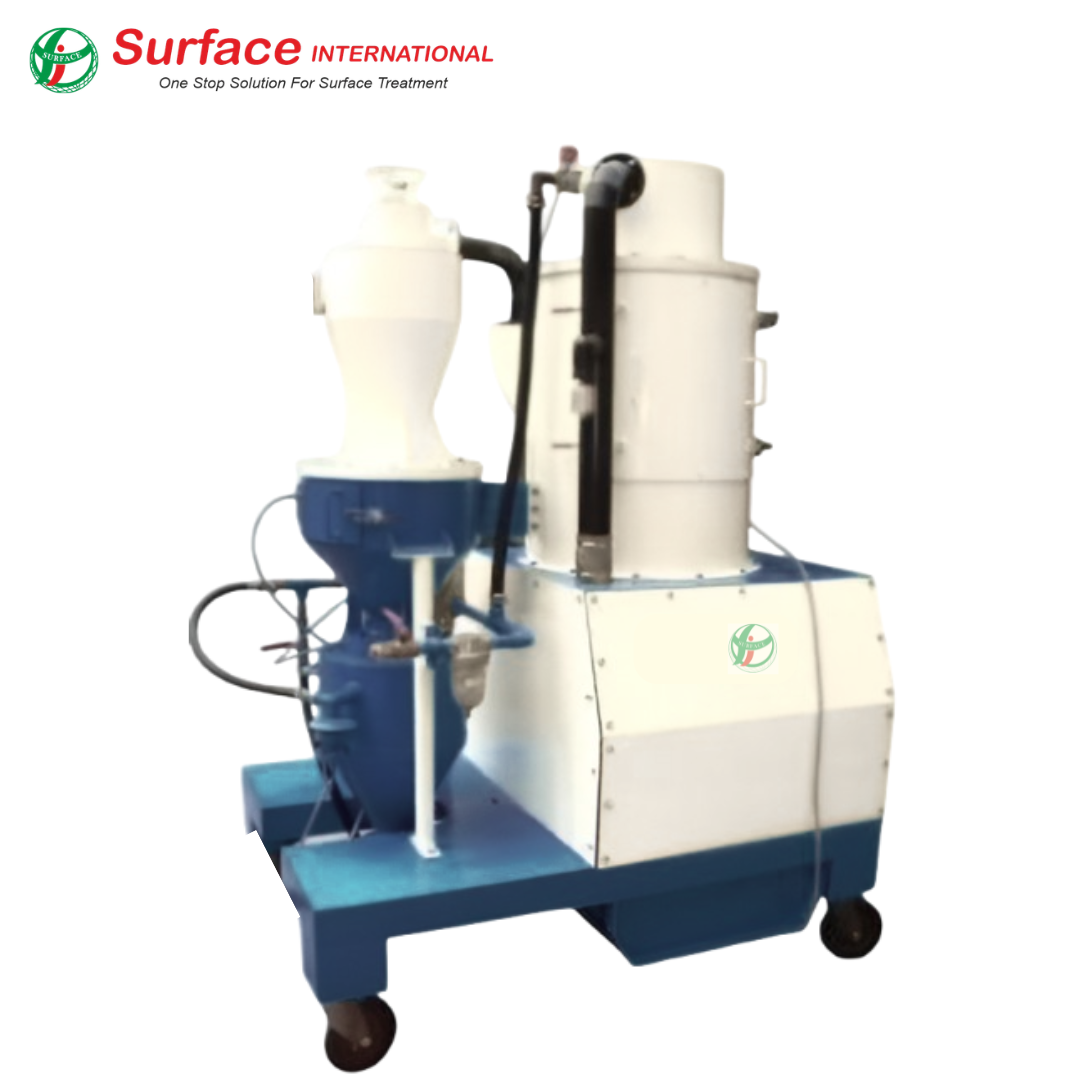
Vacuum blasters are specialized machines designed to minimize dust and environmental impact. They feature a unique head that creates a vacuum seal around the blasting area, immediately sucking back the abrasive and contaminants as soon as they hit the surface. This makes them perfect for sensitive environments, indoor blasting, or areas where dust containment is critical. While often less aggressive than open blasting, they excel in specific applications where cleanliness and environmental compliance are top priorities. For companies prioritizing clean operations, a vacuum Sand Blasting Machine in USA is often the preferred choice.
4. Blast Rooms
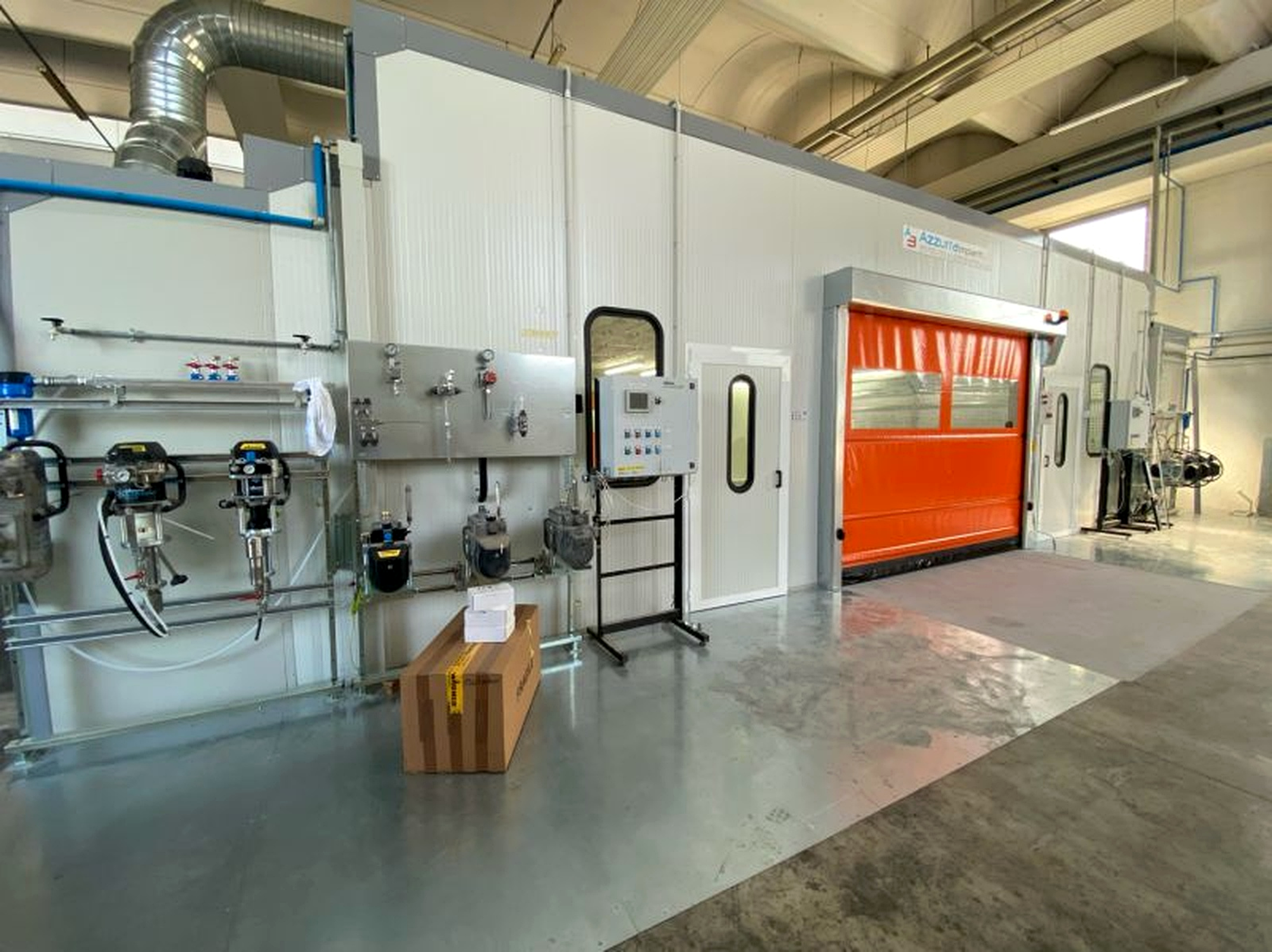
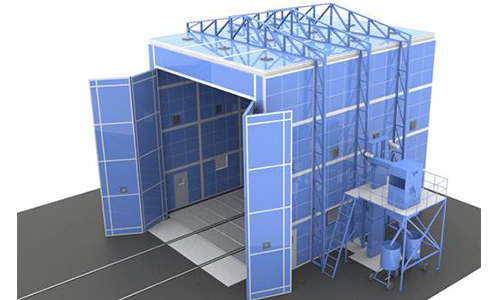
For very large industrial parts, vehicles, or structures that cannot fit into a cabinet, blast rooms are the solution. These are large, dedicated enclosures where operators, dressed in full protective gear, enter to blast workpieces. Blast rooms typically feature advanced abrasive recovery systems, sophisticated dust collection, and extensive safety features. They represent a significant investment but are essential for heavy industrial applications requiring extensive surface preparation on massive items. Companies in heavy manufacturing or shipbuilding needing a comprehensive Sand Blasting Machine in USA solution will opt for a custom-designed blast room.
Factors to Consider When Choosing a Sand Blasting Machine in USA
Selecting the optimal Sand Blasting Machine in USA requires careful evaluation of several key factors. A hasty decision can lead to inefficient operations, increased costs, or an inability to meet project requirements. By considering these aspects thoroughly, you can ensure your investment delivers maximum return and aligns perfectly with your operational needs.
1. Application and Workpiece Characteristics
What are you primarily blasting? The size, shape, material, and initial condition of your workpieces will dictate the type and power of the machine you need. For instance, small, delicate parts might require a suction-feed cabinet with glass beads, while large, heavily rusted steel structures demand a powerful pressure pot system with steel grit. Consider the scale of your projects and the frequency of use. Are you cleaning or profiling? Is removal of paint, rust, or scale your primary goal, or are you aiming for a specific surface texture for coating adhesion?
2. Abrasive Type Compatibility
As discussed, different abrasives yield different results. Ensure the Sand Blasting Machine in USA you choose is compatible with the abrasive media best suited for your applications. Some machines are designed for specific media (e.g., plastic blast systems), while others offer broader versatility. Check the abrasive recovery and recycling capabilities if you plan to use more expensive, reusable media like garnet or steel shot.
3. Air Compressor Requirements
The blasting machine itself is only one part of the equation; a powerful and consistent air supply is equally critical. Sand blasting requires a significant volume of compressed air (CFM) at a specific pressure (PSI). Undersized compressors will lead to weak blasting power and inefficiency. Always match the machine’s air consumption requirements with your compressor’s output. Factoring in the cost and capacity of the air compressor is vital when budgeting for a Sand Blasting Machine in USA.
4. Dust Collection and Environmental Concerns
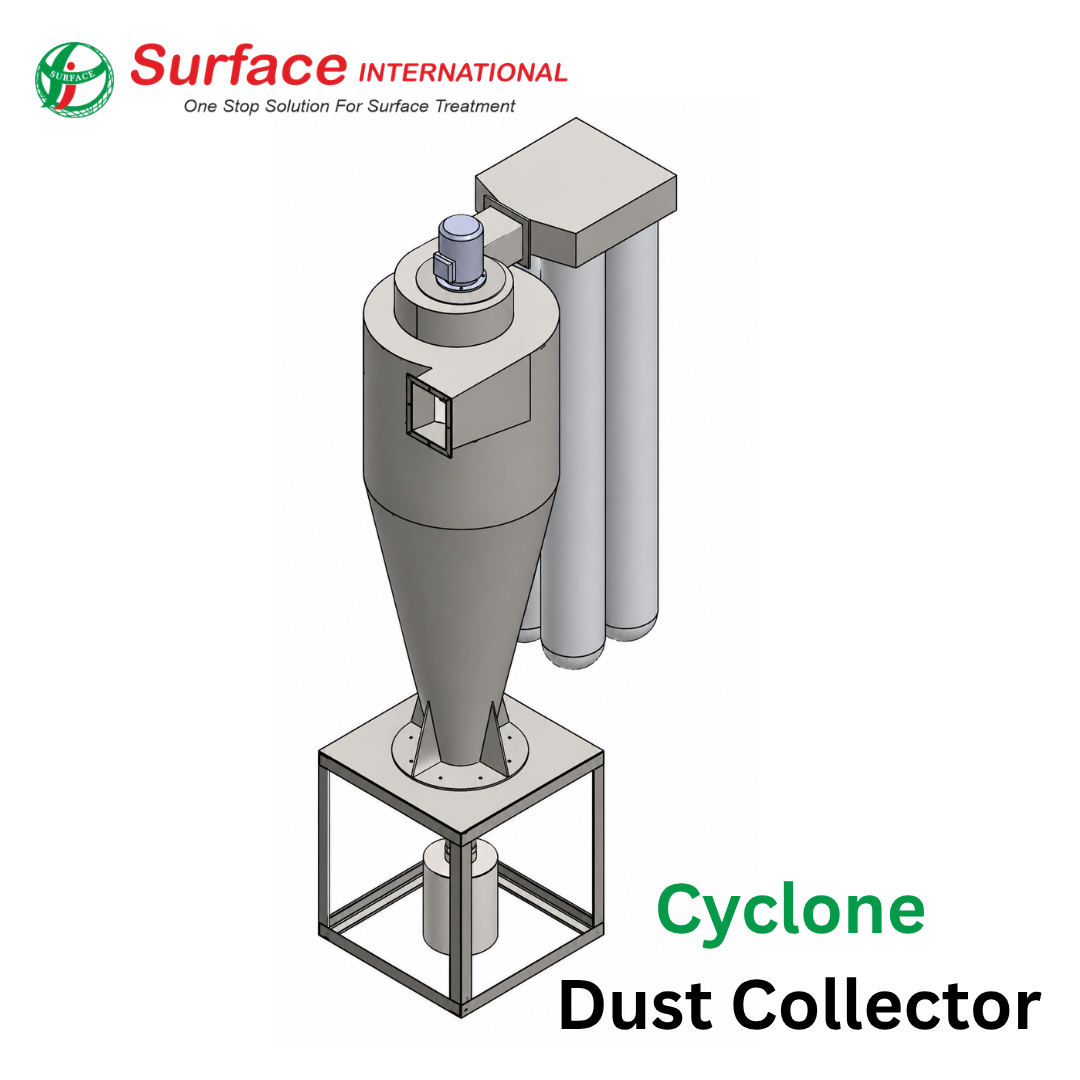
Dust is an inevitable byproduct of abrasive blasting. Effective dust collection is crucial for operator safety, air quality, and environmental compliance. Consider machines with integrated dust collectors or plan for a separate, adequately sized dust extraction system. For operations in sensitive areas or indoors, a vacuum blaster or a contained blast cabinet with excellent filtration is essential. Understanding local environmental regulations regarding dust emissions is critical for any business operating a Sand Blasting Machine in USA.
5. Budget and Operating Costs
Beyond the initial purchase price of the Sand Blasting Machine in USA, consider ongoing operating costs. These include abrasive media consumption, energy usage (for the compressor and dust collector), nozzle wear, spare parts, and labor. Investing in a higher quality, more efficient machine upfront can often lead to significant savings in the long run through reduced media consumption, faster processing times, and lower maintenance.
6. Safety Features and Training
Abrasive blasting is inherently hazardous without proper safety measures. Look for machines with robust safety interlocks, clear operating instructions, and provisions for personal protective equipment (PPE). Ensure adequate ventilation and proper lighting in the blasting area. Comprehensive training for operators is non-negotiable to prevent accidents and ensure efficient operation. When researching options, it’s beneficial to consult Google Search documentation or other authoritative sources for best practices in industrial safety related to machinery.
7. Manufacturer Reputation and Support
Choose a reputable manufacturer or supplier known for quality equipment and excellent customer support. Availability of spare parts, technical assistance, and warranty support can significantly impact the longevity and uptime of your Sand Blasting Machine in USA. A reliable vendor will provide not just a machine, but a partnership.
Leading Suppliers of Sand Blasting Machine in USA
The market for sand blasting equipment in the USA is vibrant, with several manufacturers and distributors offering a wide array of solutions. When seeking a high-quality Sand Blasting Machine in USA, it’s essential to partner with a supplier that understands your specific needs, offers reliable equipment, and provides excellent post-sales support. Reputable suppliers often differentiate themselves through innovative designs, durable construction, and comprehensive customer service.
Companies like Surface International, for example, have a proven track record of delivering various types of sand blasting equipment. As mentioned in the meta description, Surface International is known for delivering portable sand blasters, cabinet-type, and vacuum-type shot blasting machines in the USA. This indicates their breadth of offerings and commitment to serving the American market. Their expertise in both sand and shot blasting technologies means they can cater to diverse surface preparation requirements, whether it’s for delicate cleaning or heavy-duty industrial applications.
When evaluating potential suppliers for your Sand Blasting Machine in USA, consider the following:
- Product Range: Do they offer the specific type of machine you need (portable, cabinet, vacuum, blast room)? Do they have options for different capacities and power levels?
- Quality and Durability: Inquire about the materials used in construction, wear parts (like nozzles and hoses), and the expected lifespan of the equipment under normal operating conditions.
- Customization Options: Can they tailor a machine to your unique specifications, if standard models don’t quite fit?
- Service and Support: What kind of warranty do they offer? Is technical support readily available? Do they stock common spare parts for quick delivery? Local support and service centers can be a significant advantage.
- Training and Installation: Do they provide assistance with installation and initial operator training? Proper setup and initial training can significantly extend the life and efficiency of your Sand Blasting Machine in USA.
- Industry Reputation: Look for reviews, testimonials, and industry recognition. A supplier with a strong reputation for reliability and customer satisfaction is always a safer bet.
Choosing the right supplier is as important as choosing the right machine. A good supplier acts as a long-term partner, ensuring your sand blasting operations run smoothly and efficiently for years to come.
Benefits of Using the Right Sand Blasting Machine in USA
Investing in the correct Sand Blasting Machine in USA for your operations offers a multitude of benefits that extend beyond mere surface cleaning. It’s about enhancing productivity, ensuring quality, improving safety, and ultimately, boosting your bottom line. The strategic selection of a machine tailored to your needs can transform your surface preparation processes.
1. Superior Surface Preparation and Adhesion
The primary benefit is achieving an optimal surface profile. Abrasive blasting effectively removes rust, scale, old paint, and contaminants, creating a clean, roughened surface that promotes excellent adhesion for subsequent coatings, paints, or sealants. This is crucial for the longevity and performance of any applied finish, preventing premature peeling, cracking, or corrosion. Without proper preparation from a capable Sand Blasting Machine in USA, even the best coatings will fail prematurely.
2. Increased Efficiency and Speed
Manual surface preparation methods like sanding or wire brushing are labor-intensive, time-consuming, and often yield inconsistent results. A sand blasting machine automates and accelerates this process dramatically. With the right equipment and abrasive, large surfaces can be cleaned and prepared in a fraction of the time, leading to significant productivity gains and faster project completion times. This efficiency is a critical advantage in competitive industries.
3. Versatility Across Various Applications and Materials
Modern sand blasting machines, especially those designed to handle a range of abrasive media, are incredibly versatile. They can be used on metals, concrete, wood, plastics, and glass, adapting to different material properties and desired finishes. This adaptability makes a quality Sand Blasting Machine in USA a valuable asset for businesses with diverse project requirements, from delicate cleaning to aggressive material removal.
4. Cost-Effectiveness in the Long Run
While the initial investment in a quality Sand Blasting Machine in USA might seem substantial, the long-term cost savings are significant. Reduced labor costs, increased throughput, extended life of coatings due to better adhesion, and minimized rework all contribute to a positive return on investment. Furthermore, efficient machines use abrasive media more effectively, reducing material waste and related disposal costs.
5. Enhanced Safety (with Proper Equipment and Procedures)
While sand blasting has inherent risks, modern machines are designed with safety features like automatic shut-offs, improved dust collection systems, and ergonomic controls. When paired with proper personal protective equipment (PPE) and comprehensive operator training, these machines can provide a safer alternative to manual methods that expose workers to hazardous chemicals or repetitive strain injuries. A commitment to safety starts with selecting the right equipment and establishing strict operational protocols.
6. Environmental Compliance and Dust Control
Many contemporary sand blasting machines, especially vacuum blasters and blast cabinets with integrated dust collectors, are designed to meet stringent environmental regulations. They minimize airborne dust and allow for easier collection and disposal of spent abrasives, reducing environmental impact and improving workplace air quality. This focus on environmental responsibility is increasingly important for any business operating a Sand Blasting Machine in USA.
Common Mistakes to Avoid When Operating a Sand Blasting Machine in USA
Even with the most advanced Sand Blasting Machine in USA, operational errors can lead to poor results, equipment damage, safety hazards, and increased costs. Awareness of these common mistakes can help operators and businesses avoid pitfalls and ensure efficient, safe, and effective blasting operations.
1. Neglecting Personal Protective Equipment (PPE)
This is arguably the most critical mistake. Abrasive blasting creates fine dust, loud noise, and propelled particles. Failing to wear appropriate PPE, including a blast helmet (with fresh air supply), heavy-duty gloves, protective clothing, steel-toed boots, and hearing protection, can lead to severe injuries, respiratory issues, and long-term health problems. Never operate a Sand Blasting Machine in USA without full and proper PPE.
2. Using the Wrong Abrasive Media
Attempting to use an abrasive that is too aggressive can damage the substrate, while one that is too fine or soft will be ineffective. Forgetting to match the abrasive to the desired surface profile and material is a common error. This leads to wasted time, media, and potentially ruined workpieces. Always consult the machine’s guidelines and abrasive manufacturer specifications.
3. Insufficient Air Supply and Pressure
An undersized or poorly maintained air compressor will not provide the necessary volume (CFM) and pressure (PSI) for effective blasting. This results in slow, inconsistent, and inefficient cleaning. The blasting media will simply “bounce” off the surface instead of effectively cleaning or profiling it. Before operating any Sand Blasting Machine in USA, ensure your air compressor meets or exceeds the machine’s requirements.
4. Poor Maintenance of Equipment
Neglecting routine maintenance, such as checking hoses for leaks, inspecting nozzles for wear, cleaning dust collector filters, and lubricating moving parts, can lead to premature equipment failure, reduced efficiency, and safety hazards. Worn nozzles, for instance, significantly reduce blasting effectiveness and increase abrasive consumption. A well-maintained Sand Blasting Machine in USA runs more reliably and lasts longer.
5. Ignoring Proper Ventilation and Dust Collection
Operating a sand blasting machine without adequate ventilation or an effective dust collection system creates a hazardous work environment, reduces visibility, and can lead to non-compliance with environmental regulations. This airborne dust can also settle on freshly blasted surfaces, compromising subsequent coating adhesion. Always ensure proper airflow and filtration, especially when using an open Sand Blasting Machine in USA.
6. Inadequate Operator Training
Operators who are not properly trained on the specific machine, safety protocols, and best blasting techniques are prone to making mistakes. This can range from holding the nozzle at the wrong angle or distance to incorrect machine setup, leading to inefficient blasting, uneven finishes, and potential damage to equipment or the workpiece. Thorough training is an investment that pays off in safety and quality.
Practical Tips for Maximizing Your Sand Blasting Machine’s Performance
To get the most out of your Sand Blasting Machine in USA, it’s not just about having the right equipment; it’s also about implementing best practices in operation and maintenance. These practical tips will help you enhance efficiency, ensure safety, and extend the lifespan of your investment.
1. Establish a Regular Maintenance Schedule
Preventative maintenance is key to longevity. Regularly inspect and replace wear parts such as nozzles, hoses, and blast cabinet gloves. Check for air leaks in fittings and connections. Clean or replace dust collector filters as recommended by the manufacturer. A well-maintained Sand Blasting Machine in USA operates more reliably and efficiently, minimizing downtime and costly repairs.
2. Ensure Consistent and Dry Air Supply
Moisture in compressed air can clog the blasting media and cause uneven flow, leading to inconsistent blasting results and potential machine damage. Use air dryers and filters to ensure your air supply is consistently dry and free of contaminants. This is a common oversight that significantly impacts the performance of any Sand Blasting Machine in USA.
3. Optimize Nozzle Selection and Pressure
The nozzle size and type, along with air pressure, dictate the abrasive velocity and blast pattern. Smaller nozzles increase pressure but reduce the blast pattern, while larger nozzles provide a wider pattern but lower pressure. Experiment to find the optimal combination for your specific application and abrasive. Regularly inspect nozzles for wear, as worn nozzles increase air consumption and reduce efficiency.
4. Proper Abrasive Handling and Storage
Store abrasive media in dry, sealed containers to prevent moisture absorption and contamination. Contaminated or wet abrasive can clog the machine, damage components, and lead to poor blasting results. Reusable abrasives should be sieved and cleaned to remove dust and debris before re-use, ensuring consistent performance and preventing clogs in your Sand Blasting Machine in USA.
5. Provide Comprehensive Operator Training
Even experienced operators can benefit from refreshers. Ensure all personnel operating the Sand Blasting Machine in USA are thoroughly trained on safety protocols, machine operation, abrasive selection, and troubleshooting. Well-trained operators are more efficient, produce higher quality work, and are less prone to accidents or machine misuse. For further reading, consider resources on general industrial equipment operation safety.
6. Utilize Proper Lighting and Ventilation
Good lighting is essential for operators to clearly see the workpiece and ensure uniform blasting. Adequate ventilation, especially in blast rooms or during open blasting, is critical for dissipating dust and maintaining clear visibility, contributing to both safety and quality. Always operate your Sand Blasting Machine in USA in a well-lit and ventilated area.
7. Plan Your Blasting Strategy
Before beginning a project, plan your blasting sequence. Start with a test area if possible to determine the optimal pressure, nozzle, and abrasive combination. Work systematically across the surface to ensure even coverage and avoid over-blasting or missed spots. This planning will enhance the efficiency and effectiveness of your Sand Blasting Machine in USA.
Frequently Asked Questions (FAQ) about Sand Blasting Machine in USA
Q1: What is the typical lifespan of a Sand Blasting Machine in USA?
A1: The lifespan of a sand blasting machine varies significantly depending on its type, build quality, frequency of use, and adherence to maintenance schedules. High-quality industrial machines, with proper care and regular replacement of wear parts (nozzles, hoses, filters), can last 10-20 years or even longer. Cheaper, hobbyist-grade machines might have a shorter lifespan of 3-7 years.
Q2: Can I use regular play sand in a Sand Blasting Machine in USA?
A2: While technically possible, using regular play sand is strongly discouraged for several reasons. Firstly, it often contains crystalline silica, which can cause severe respiratory problems (silicosis) when inhaled. Secondly, play sand is typically not uniform in particle size and can contain moisture and impurities, leading to inconsistent blasting, clogging, and damage to the machine’s components. Always use industrial-grade abrasive media specifically designed for blasting applications in your Sand Blasting Machine in USA.
Q3: What safety equipment is essential for operating a Sand Blasting Machine in USA?
A3: Essential safety equipment includes a certified blast helmet with a clean air supply, heavy-duty leather or blast-specific gloves, protective clothing (e.g., leather apron or blast suit), steel-toed boots, and hearing protection (earplugs or earmuffs). Always ensure your PPE is in good condition and worn correctly to protect against abrasive dust, noise, and impact.
Q4: How do I choose the right abrasive for my Sand Blasting Machine in USA?
A4: Choosing the right abrasive depends on the material being blasted, the desired surface profile (e.g., smooth, etched), the amount of material to be removed, and environmental considerations. For heavy rust removal on steel, aggressive media like steel grit or garnet are often used. For delicate cleaning or a satin finish, glass beads might be suitable. Always consult your machine’s manual and abrasive supplier for recommendations tailored to your specific application. You can learn more about specific types in our article Sand Blasting Machine in USA which covers abrasive types.
Q5: Is a dust collector necessary for every Sand Blasting Machine in USA?
A5: While some specific vacuum blasters or small, hobbyist cabinets might claim “dust-free” operation or minimal dust, a dedicated dust collector is highly recommended for almost all abrasive blasting operations, especially for open blasting or industrial cabinet use. It significantly improves visibility, protects operator health, and helps meet environmental air quality standards. Ignoring proper dust collection is a major safety and environmental oversight for any Sand Blasting Machine in USA.
Conclusion
The journey to finding and effectively utilizing a Sand Blasting Machine in USA is a critical one for any business or individual committed to superior surface preparation. From understanding the fundamental technology and the diverse types of machines available to meticulously considering factors like application, abrasive compatibility, and air supply, every step plays a vital role in ensuring a successful investment. We’ve highlighted the immense benefits, such as enhanced efficiency, superior surface adhesion, and long-term cost savings, all achievable with the right equipment and adherence to best practices.
Avoiding common mistakes, from neglecting crucial PPE to overlooking regular maintenance, is just as important as the initial selection. By implementing practical tips like consistent air supply, optimized nozzle use, and comprehensive operator training, you can significantly extend the life and maximize the performance of your machine. Whether you’re a large industrial facility or a small workshop, the right Sand Blasting Machine in USA, sourced from a reputable supplier like Surface International, can revolutionize your surface treatment processes, ensuring quality, safety, and efficiency for years to come.