Table of Contents
- What is Shot Blasting Equipment?
- Why is Shot Blasting Equipment Essential for Modern Industries?
- How Does Shot Blasting Equipment Work?
- Key Components of a Shot Blasting Machine
- Types of Shot Blasting Equipment and Their Applications
- Choosing the Right Shot Blasting Equipment
- Maintenance and Safety for Shot Blasting Equipment
- Surface International: Your Leading Shot Blasting Equipment Manufacturer & Supplier in India
- Frequently Asked Questions About Shot Blasting Equipment
- Conclusion
In the world of manufacturing and fabrication, surface preparation is often the unseen hero that determines the quality, durability, and aesthetic appeal of a final product. Among the various surface finishing techniques, shot blasting stands out as a highly effective and versatile method. Central to this process is high-quality Shot Blasting Equipment, designed to clean, strengthen, and prepare surfaces for subsequent treatments.
Whether you’re dealing with automotive parts, structural steel, castings, or intricate components, finding the right shot blasting solution is paramount. This guide will delve into what shot blasting equipment is, its crucial role in various industries, the different types available, and how to select a reliable manufacturer and supplier, especially within the context of the Indian market. We’ll explore the essential functions and benefits of these powerful machines, helping you understand their impact on product quality and operational efficiency.
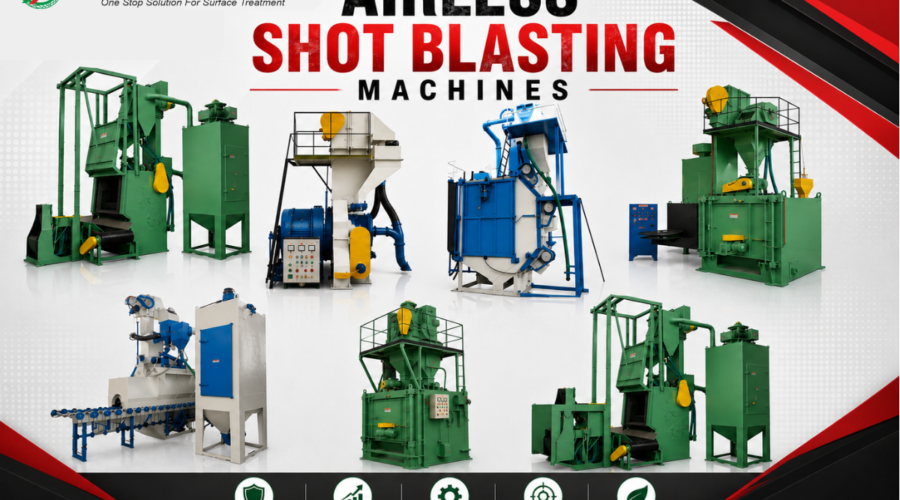
Explore Our Shot Blasting Equipments
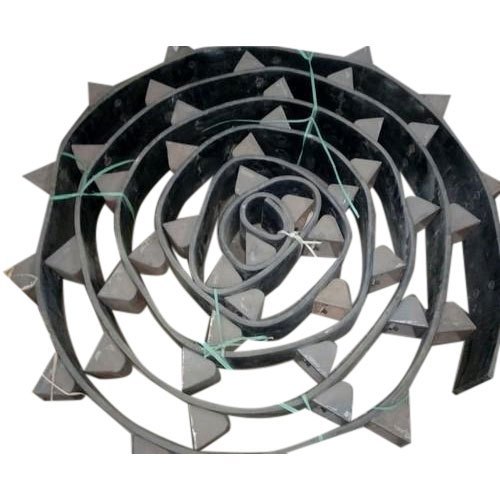
Explore our high-quality shot blasting machine components and industrial equipment.
 01
 02
 03
 04
 05
 06
What is Shot Blasting Equipment?
Shot blasting equipment refers to a range of machines that use a high-velocity stream of abrasive media (shots) to clean, deburr, strip, or peen the surface of a workpiece. This mechanical process is a form of surface finishing machine that propels metallic or non-metallic abrasive particles onto a surface, achieving several critical outcomes:
- Cleaning: Removing rust, scale, paint, old coatings, and other contaminants.
- Surface Preparation: Creating an optimal surface profile for improved adhesion of new coatings, paint, or thermal sprays.
- Strengthening (Shot Peening): Inducing compressive residual stress on the surface, which significantly improves fatigue life and resistance to stress corrosion cracking.
- Deburring & Deflashing: Removing burrs and flashings from castings, forgings, or machined parts.
- Aesthetic Finish: Achieving a uniform, matte, or decorative finish on various materials.
The “shot” itself can vary widely in material, size, and shape, including steel shot, steel grit, cut wire, glass beads, and ceramic abrasives, chosen based on the desired surface finish and material being treated.
Why is Shot Blasting Equipment Essential for Modern Industries?
The critical role of Shot Blasting Equipment extends across numerous industries, making it an indispensable tool for enhancing product quality and manufacturing efficiency. Its ability to create a pristine, consistent, and strong surface is vital for a variety of applications.
Here’s why it’s so important:
- Enhanced Coating Adhesion: For industries relying on protective or decorative coatings (e.g., automotive, construction, marine), shot blasting creates an ideal surface profile, or “anchor pattern.” This rougher surface provides better mechanical interlocking for paints, powder coatings, and other finishes, significantly improving their adhesion and longevity. Without proper preparation, coatings can peel or chip prematurely, leading to costly failures.
- Increased Fatigue Life: Shot peening, a specific application of shot blasting, introduces compressive residual stress to the surface of components. This process is crucial for parts subjected to high stress or cyclic loading, such as engine components, springs, and aircraft parts. By preventing the initiation and propagation of fatigue cracks, shot peening dramatically extends the operational lifespan and reliability of these critical components.
- Corrosion Prevention: By thoroughly removing rust, mill scale, and other contaminants, shot blasting eliminates potential sites for corrosion to begin. A clean, uniform surface, especially when immediately followed by a protective coating, offers superior resistance to environmental degradation.
- Improved Product Appearance: Beyond functional benefits, shot blasting can achieve a uniform, aesthetically pleasing finish. This is particularly valuable for consumer goods or architectural components where visual consistency is important. It can also provide a matte finish or a specific texture.
- Cost-Effectiveness and Efficiency: While an initial investment, shot blasting machines offer high processing speeds and consistent results, reducing manual labor and the need for rework. This automation leads to significant cost savings in the long run, especially for high-volume production. Furthermore, the longevity of treated components reduces warranty claims and replacement costs.
- Versatility: A single shot blasting machine can often be adapted to process a wide variety of materials and part geometries by simply changing the abrasive media or adjusting machine settings. This versatility makes it a valuable asset for diverse manufacturing operations.
- Environmental Benefits: Compared to chemical cleaning methods, mechanical shot blasting often has a smaller environmental footprint. The abrasive media can typically be recycled multiple times, and the dust collection systems effectively capture particulate matter, minimizing air pollution.
From infrastructure and heavy machinery to precision medical devices, the applications of Shot Blasting Equipment underscore its fundamental role in delivering durable, high-performing products that meet stringent industry standards.
How Does Shot Blasting Equipment Work?
At its core, a shot blasting machine operates on a principle of kinetic energy transfer. It accelerates abrasive media (shots) to high velocities and directs them at the surface of a workpiece. There are two primary methods of media acceleration:
- Wheel Blasting (Airless Blasting): This is the most common method for industrial-scale operations and is primarily what we refer to when discussing conventional Shot Blasting Equipment. Here’s a breakdown of the typical process:
- Abrasive Storage: The abrasive media (e.g., steel shot, grit) is stored in a hopper.
- Feed System: The media is gravity-fed or mechanically conveyed to a rotating wheel, known as the blast wheel assembly.
- Blast Wheel: The blast wheel is equipped with a series of blades that rotate at very high speeds (up to 3,600 RPM). As the media enters the center of the spinning wheel, the blades pick it up and hurl it outwards through an opening in a control cage. The direction and velocity of the thrown media are precisely controlled.
- Impact: The high-velocity abrasive impacts the surface of the workpiece, which is typically placed inside a blast cabinet. This impact removes contaminants, creates a surface profile, or induces compressive stress, depending on the application.
- Abrasive Recovery and Recycling: After impacting the workpiece, the media falls through a perforated floor or conveyor system at the bottom of the blast cabinet. It is then channeled into a screw conveyor, which moves it to a bucket elevator. The elevator lifts the media to an airwash separator.
- Separation and Cleaning: The airwash separator uses an air stream to remove dust, debris, and fractured abrasive particles from the reusable shot. The heavier, reusable shot falls back into the hopper for recirculation, while the fine dust and contaminants are drawn into a dust collector.
- Dust Collection: A powerful dust collector creates a negative pressure within the machine, drawing airborne particles, pulverized rust, scale, and worn-out media out of the cabinet. These contaminants are filtered out, ensuring a clean working environment and preventing damage to machine components.
- Air Blasting (Pneumatic Blasting): While often associated more with sandblasting, some shot blasting applications use compressed air to propel the abrasive. In this method:
- The abrasive is loaded into a pressure pot or cabinet.
- Compressed air is introduced, creating a high-pressure stream that mixes with the abrasive.
- This mixture is then directed through a nozzle onto the workpiece.
- Air blasting offers greater precision and control, making it suitable for delicate parts, complex geometries, or localized blasting, though it generally has a lower production rate and higher operating costs (due to compressed air consumption) than wheel blasting.
The efficiency and effectiveness of a Shot Blasting Machine depend on factors such as the type and size of abrasive media, the velocity of the blast, the angle of impact, and the duration of exposure. Modern machines also incorporate advanced controls for precise management of these parameters, ensuring consistent and high-quality results.
Key Components of a Shot Blasting Machine
Understanding the core components of Shot Blasting Equipment helps in appreciating its functionality and in identifying areas for maintenance and optimization. While specific designs vary, most machines share these fundamental parts:
- Blast Cabinet (Work Chamber): This is the enclosed area where the blasting process takes place. It’s constructed from robust, wear-resistant materials, often lined with manganese steel or rubber to withstand the impact of high-velocity abrasives. The cabinet typically includes access doors for loading/unloading workpieces and inspection.
- Blast Wheel Assembly: The heart of any wheel blast system, the blast wheel is responsible for accelerating the abrasive media. It consists of:
- Motor: Provides the rotational power for the wheel.
- Wheel Housing: Protects the internal components and directs the flow of media.
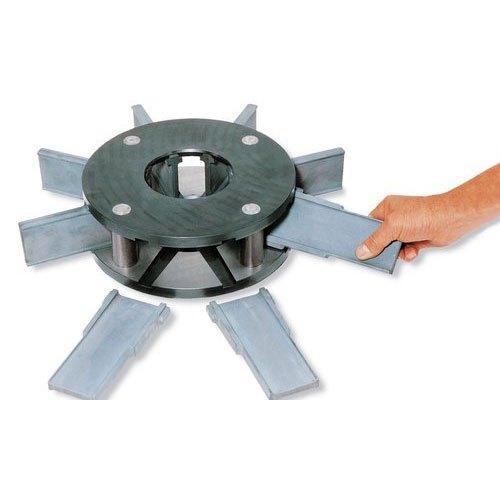
- Blades/Vanes: Mounted on the wheel, these scoop up the abrasive and hurl it outwards. They are made from highly wear-resistant materials.
- Control Cage & Impeller: These components precisely regulate the flow and direction of the abrasive onto the blades, ensuring an even and targeted blast pattern.
- Abrasive Media Handling System: This system manages the flow, recovery, and cleaning of the abrasive media:
- Abrasive Hopper/Storage Bin: Holds the clean, reusable abrasive.
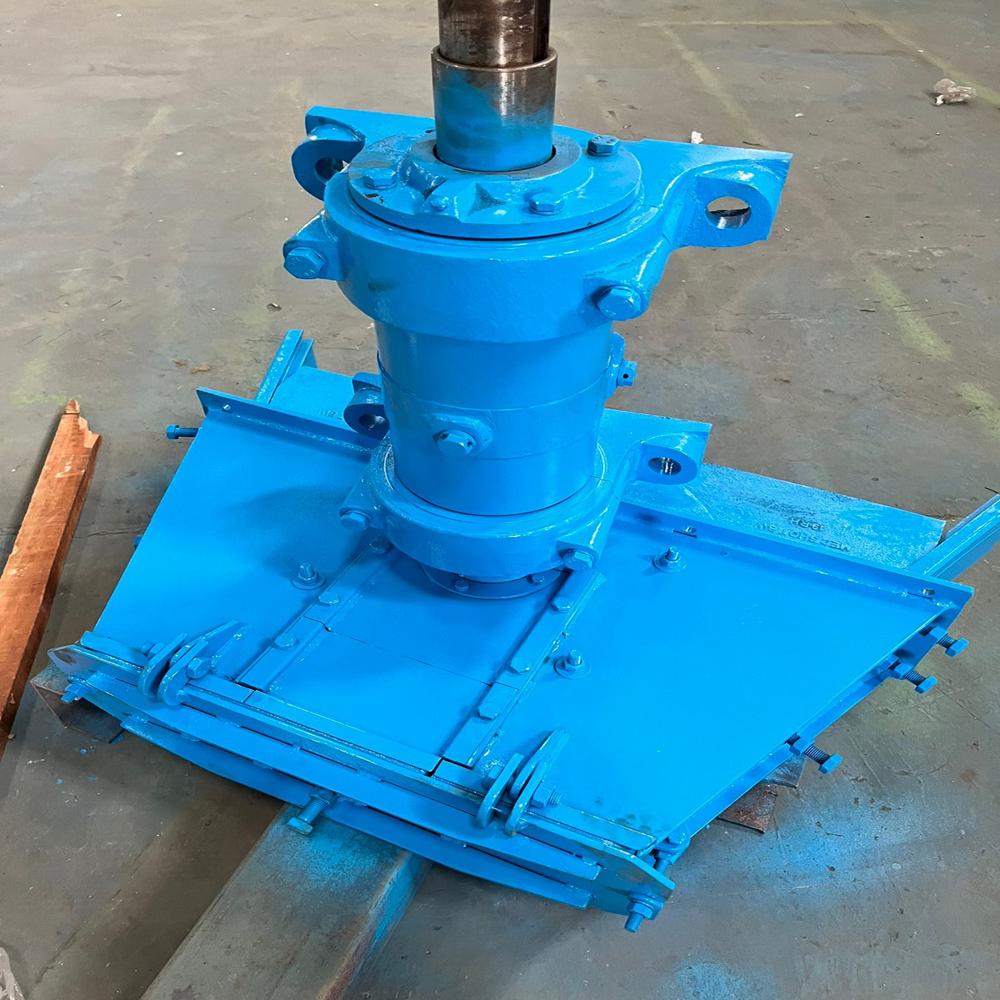
- Media Valve: Controls the flow of abrasive from the hopper to the blast wheel.
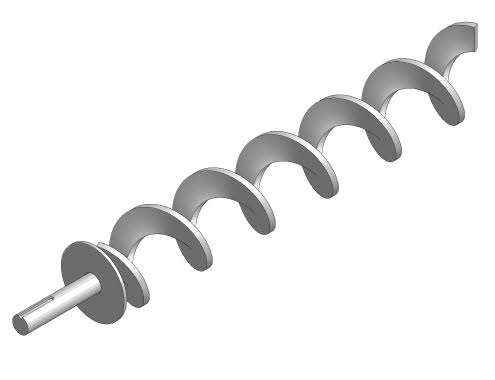
- Screw Conveyors: Move spent abrasive from the bottom of the blast cabinet to the bucket elevator.
- Bucket Elevator: Lifts the abrasive to the top of the machine for separation.
- Airwash Separator (Abrasive Cleaner): Uses an air current to separate dust, debris, and undersized/broken abrasive from the good, reusable media. This is crucial for maintaining blast quality and reducing wear on components.
- Dust Collector: An essential component for environmental protection and operational efficiency. The dust collector:
- Draws air from the blast cabinet, creating a negative pressure to prevent dust escape.
- Filters out fine dust, spent abrasives, and other contaminants from the air using filter cartridges or bags.
- Ensures a clean working environment, protects machine components from abrasive dust, and allows for safe disposal of collected waste.
- Workpiece Handling System: This varies greatly depending on the type of shot blasting machine and the parts being processed. It could include:
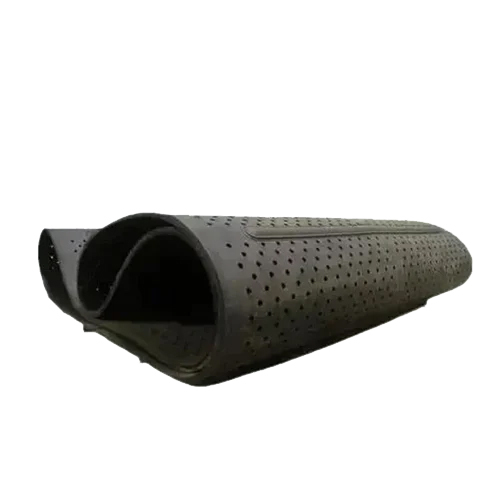
- Rubber Belts: For tumbling small to medium-sized parts.
- Rotary Tables: For flat, fragile, or heavy parts.
- Overhead Conveyors/Hangers: For large, complex, or heavy parts.
- Roller Conveyors: For long structural components or plates.
- Control Panel: The nerve center of the machine, allowing operators to control and monitor all functions. This includes starting/stopping the blast wheel, adjusting media flow, setting processing times, and monitoring safety interlocks. Modern control panels often feature PLCs (Programmable Logic Controllers) for automated operation and fault diagnostics.
Each of these components plays a vital role in the overall performance and reliability of a Shot Blasting Machine. Regular inspection and maintenance of these parts are crucial for ensuring continuous, high-quality operation.
Types of Shot Blasting Equipment and Their Applications
The diverse requirements of different industries have led to the development of various specialized types of Shot Blasting Equipment. Each design is optimized for specific part sizes, shapes, materials, and production volumes. Understanding these types is key to selecting the most suitable machine for your needs.
Rubber Belt Shot Blasting Machines
Also known as Tumble Blasters or Tumblast Machines, these are among the most common and versatile shot blasting machines. They feature an endless rubber belt conveyor that tumbles the workpieces during the blasting process.
- Applications: Ideal for processing a large quantity of small to medium-sized parts that are robust enough to withstand tumbling. This includes castings (iron, aluminum, brass), forgings, heat-treated parts, automotive components, and small fabricated parts. They are excellent for descaling, deburring, and surface preparation.
- Benefits: High throughput, cost-effective for batch processing, compact design, and effective for achieving a uniform finish on complex geometries due to the tumbling action.
Rotary Table Shot Blasting Machines
These machines feature a rotating table (or multiple tables) on which workpieces are placed. The table rotates the parts through the blast stream, ensuring all surfaces are exposed to the abrasive.
- Applications: Best suited for flat, fragile, heavy, or intricately shaped components that cannot be tumbled. Examples include gears, brake discs, engine blocks, cylinder heads, precision machined parts, and various industrial components requiring precise and uniform surface treatment. They are often used for descaling, surface preparation for painting, and shot peening.
- Benefits: Gentle handling of delicate parts, uniform blasting for complex shapes, easy loading/unloading, and suitable for higher production volumes when equipped with multiple tables or continuous loading systems.
Spinner Hanger Shot Blasting Machines
Spinner Hanger machines use an overhead conveyor system with hooks (hangers) to suspend workpieces. These parts are then rotated as they pass through the blast stream.
- Applications: Excellent for large, heavy, and irregularly shaped components that need to be processed individually or in small batches. This includes structural steel, large castings and forgings, welded fabrications, automotive chassis parts, and railway components. They are primarily used for descaling, paint stripping, and surface preparation for heavy-duty coatings.
- Benefits: Capable of handling very large and heavy components, prevents part-on-part impingement (good for delicate or finished surfaces), provides thorough coverage due to rotation, and easy integration into production lines.
Pass-Through / Roller Conveyor Shot Blasting Machines
Designed for continuous, high-volume processing of long and flat workpieces, these machines utilize a roller conveyor to transport parts through a blast chamber where multiple blast wheels are strategically positioned.
- Applications: Primarily used for structural steel profiles (beams, angles, channels), steel plates, pipes, and other long components common in the construction, shipbuilding, and infrastructure industries. They are highly effective for descaling and achieving a consistent surface profile for subsequent painting or coating.
- Benefits: High production rates, fully automated operation, excellent for continuous flow lines, and ensures uniform blasting across entire surfaces of long components.
Wire Mesh Belt Shot Blasting Machines
These machines feature a continuous wire mesh belt that transports smaller, flat, or delicate components through the blast zone. The open mesh allows abrasive media to fall through for easy recovery.
- Applications: Suitable for thin, flat components that might warp in other machines, or small parts that require continuous processing without tumbling. Examples include automotive brake pads, small stampings, ceramic tiles, and components that need to be blasted on one side or both simultaneously.
- Benefits: Continuous processing, gentle handling, and ideal for parts that require specific orientation during blasting.
Specialized Blast Wheel Assembly
While a component of all wheel blast systems, a specialized blast wheel assembly itself can be considered for specific performance needs. Manufacturers often develop advanced blast wheel designs for increased efficiency, longer lifespan, or specific abrasive projection patterns. These assemblies are crucial to the overall performance of any Shot Blasting Equipment.
The choice of Shot Blasting Machine ultimately depends on a careful analysis of the material, size, and shape of the workpieces, the desired finish, the required production volume, and budget constraints. Partnering with an experienced Shot Blasting Equipment Manufacturer & Supplier in India can provide invaluable guidance in this selection process.
Choosing the Right Shot Blasting Equipment
Selecting the appropriate Shot Blasting Equipment is a critical decision that impacts productivity, operational costs, and the quality of your finished products. With a variety of machines available, a systematic approach is essential. Consider the following key factors:
- Workpiece Characteristics:
- Size and Weight: Small, light parts might be suitable for a rubber belt machine, while large, heavy components demand a spinner hanger or roller conveyor system.
- Shape and Geometry: Intricate or complex parts might benefit from rotary table or spinner hanger machines for thorough coverage. Simple, flat parts might be fine with a pass-through system.
- Material: The type of material (steel, aluminum, brass, composite) influences the abrasive media choice and blast parameters, which in turn might impact machine selection.
- Fragility: Delicate or precision-machined parts require gentler handling, making rotary table or wire mesh belt machines more suitable than aggressive tumbling blasters.
- Desired Surface Finish:
- Cleaning/Descaling: What level of cleanliness is required? From light rust removal to complete mill scale removal.
- Surface Profile (Anchor Pattern): What roughness is needed for coating adhesion (e.g., SSPC-SP 10, SA 2.5)?
- Shot Peening: Is stress relief or fatigue life enhancement the primary goal? This requires precise control over blast parameters and media.
- Aesthetic Finish: Is a uniform, matte, or specific textured appearance desired?
- Production Volume and Rate:
- Batch vs. Continuous Processing: Do you process parts in batches, or do you need a continuous, in-line solution? Rubber belt and rotary table machines are often batch-oriented, while roller conveyors and wire mesh belt machines support continuous flow.
- Hourly Throughput: How many parts do you need to process per hour or shift? This will dictate the size and power of the machine, including the number of blast wheels and conveyor speeds.
- Abrasive Media Type:
- The machine must be designed to effectively handle the specific abrasive media you intend to use (e.g., steel shot, steel grit, glass beads, cut wire). Consider media recovery and separation efficiency.
- Automation Level:
- Do you need a fully automated system with automatic loading/unloading, or is manual operation acceptable? Automation reduces labor costs but increases initial investment.
- Space Availability:
- Consider the physical footprint of the machine and the space required for loading, unloading, maintenance, and dust collection systems.
- Budget and Operating Costs:
- Initial Investment: Different machines come with varying price tags. Balance initial cost with long-term benefits.
- Operating Costs: Account for power consumption, abrasive media consumption, spare parts (wear parts like blast wheel blades, liners), and maintenance.
- Return on Investment (ROI): Calculate how the machine will improve efficiency, reduce labor, and enhance product quality, leading to cost savings or increased revenue.
- Manufacturer Support and Expertise:
- Choose a reputable Shot Blasting Equipment Manufacturer & Supplier in India that offers excellent after-sales service, spare parts availability, technical support, and training. Their expertise can be invaluable in customizing solutions and troubleshooting.
By carefully evaluating these factors, you can make an informed decision and invest in Shot Blasting Equipment that perfectly aligns with your operational needs and production goals.
Maintenance and Safety for Shot Blasting Equipment
Proper maintenance and adherence to safety protocols are paramount for ensuring the longevity, efficiency, and safe operation of any Shot Blasting Equipment. Neglecting these aspects can lead to costly downtime, premature wear, inconsistent results, and serious safety hazards.
Essential Maintenance Practices
- Regular Inspections:
- Daily: Check for any abnormal noises, vibrations, or leaks. Inspect the dust collector for proper function.
- Weekly/Bi-weekly: Visually inspect blast wheel components (blades, control cage, impeller) for wear. Check conveyor belts, elevator buckets, and door seals.
- Monthly/Quarterly: Conduct thorough inspections of all wear-resistant liners inside the cabinet, check motor bearings, electrical connections, and pneumatic systems.
- Abrasive Media Management:
- Maintain Optimal Mix: Regularly check the abrasive media size and shape. An ideal “working mix” (balance of new and fractured shot) is crucial for consistent blast results.
- Monitor Contamination: Ensure the airwash separator is functioning efficiently to remove dust and debris. Contaminated media reduces effectiveness and increases wear.
- Replenish Regularly: Add new media as needed to maintain the correct volume and working mix.
- Wear Parts Replacement:
- Components like blast wheel blades, liners, and seals are designed to be sacrificial. Replace them proactively before they fail completely, as worn parts can cause damage to other components or lead to inefficient blasting.
- Lubrication:
- Follow the manufacturer’s guidelines for lubricating bearings, motors, and other moving parts. Proper lubrication reduces friction and extends component life.
- Dust Collector Maintenance:
- Regularly inspect and clean or replace filter cartridges/bags. A clogged dust collector reduces airflow, impairing machine performance and air quality.
- Empty the dust hopper as needed.
- Electrical and Control Systems:
- Periodically check wiring, switches, and sensors for damage or malfunction. Ensure all safety interlocks are working correctly.
Key Safety Considerations
- Personal Protective Equipment (PPE):
- Always require operators and anyone near the machine to wear appropriate PPE, including safety glasses, hearing protection, steel-toed boots, and respiratory protection (especially during maintenance or when dust is present).
- Lockout/Tagout Procedures:
- Strictly follow lockout/tagout (LOTO) procedures before any maintenance, inspection, or cleaning tasks. This prevents accidental startup of the machine and protects personnel.
- Machine Interlocks:
- Ensure all safety interlocks on access doors, maintenance hatches, and other critical points are functional. These prevent the machine from operating if a door is open.
- Ventilation and Dust Control:
- Verify that the dust collection system is operating effectively to maintain clean air quality and prevent the accumulation of combustible dust.
- Training:
- Only trained and authorized personnel should operate or maintain the Shot Blasting Equipment. Training should cover safe operation, emergency procedures, and maintenance tasks.
- Clearance Zones:
- Establish and maintain clear zones around the machine to prevent unauthorized access and ensure safe loading/unloading operations.
- Emergency Stop Buttons:
- Ensure emergency stop buttons are clearly marked, easily accessible, and fully functional.
By implementing a robust maintenance schedule and fostering a strong safety culture, industries can maximize the performance and lifespan of their Shot Blasting Machine while safeguarding their workforce.
Surface International: Your Leading Shot Blasting Equipment Manufacturer & Supplier in India
When it comes to sourcing reliable and high-performance Shot Blasting Equipment in India, the choice of manufacturer and supplier is paramount. A trusted partner not only provides cutting-edge machinery but also offers the expertise, support, and customization necessary to meet specific industrial demands. Surface International stands out as a leading Shot Blasting Equipment Manufacturer & Supplier in India, committed to delivering innovative and robust surface finishing solutions.
Surface International’s extensive experience and deep understanding of the diverse industrial landscape in India allow them to design, manufacture, and supply a comprehensive range of shot blasting machines tailored to various applications. Their commitment to quality, efficiency, and customer satisfaction has solidified their position as a preferred choice for businesses seeking advanced surface treatment technologies.
What sets Surface International apart?
- Comprehensive Product Range: Surface International offers a wide array of Shot Blasting Equipment to cater to different industrial needs. Their offerings include:
- Rubber Belt Shot Blasting Machines: Ideal for batch processing of small to medium-sized components, known for their efficiency and uniform finish.
- Rotary Table Shot Blasting Machines: Perfect for handling fragile, heavy, or intricately shaped parts that require precise and consistent blasting.
- Spinner Hanger Shot Blasting Machines: Designed for large, heavy, and complex fabrications, ensuring thorough coverage and gentle handling.
- Blast Wheel Assemblies: As a core component, Surface International provides high-quality, durable blast wheel assemblies, often considered the heart of the shot blasting machine, engineered for maximum abrasive projection efficiency and longevity.
- And other specialized surface finishing machines designed for specific applications.
- Engineering Excellence: With a focus on robust design and advanced engineering, Surface International’s Shot Blasting Equipment is built to withstand the rigors of continuous industrial operation. They integrate modern control systems and wear-resistant materials to ensure reliability, ease of maintenance, and long service life.
- Customization and Consultancy: Understanding that every industry has unique challenges, Surface International excels in providing customized solutions. Their team of experts works closely with clients to assess specific requirements – from part geometry and production volume to desired surface finish – and then designs or modifies equipment to achieve optimal results. This consultative approach ensures that businesses invest in the most suitable and efficient shot blasting machine for their operations.
- After-Sales Support & Spares: A critical aspect of being a reliable manufacturer and supplier is comprehensive after-sales support. Surface International provides prompt service, technical assistance, and readily available spare parts, minimizing downtime and ensuring the continuous operation of your Shot Blasting Equipment. This commitment to ongoing support builds lasting trust with their clients across India.
- Commitment to Quality: Adhering to stringent quality standards, Surface International ensures that every piece of Shot Blasting Equipment manufactured meets international benchmarks for performance and safety. Their dedication to quality translates into durable machines that deliver consistent, high-quality surface finishes.
- Local Presence, Global Standards: As a leading manufacturer and supplier in India, Surface International combines local understanding with global manufacturing best practices. They comprehend the specific needs and operational environments of Indian industries, offering solutions that are not only technologically advanced but also economically viable and contextually relevant.
Choosing Surface International means partnering with a company that offers more than just machines; it offers complete surface preparation solutions, expert guidance, and unwavering support. For any business in India looking for superior Shot Blasting Equipment, Surface International represents a trusted name synonymous with innovation and reliability.
Frequently Asked Questions About Shot Blasting Equipment
Q1: What is the primary difference between shot blasting and sand blasting?
A1: While both are abrasive blasting methods, the primary difference lies in the abrasive media used and the impact it delivers. Shot blasting typically uses metallic media (steel shot, steel grit) which is heavier and provides a peening action, creating a uniform, compressive stress layer on the surface. This is ideal for cleaning heavy scale, rust, and for shot peening. Sandblasting (now often referred to as abrasive blasting due to health concerns with silica sand) uses lighter, sharper abrasive media (like silica sand, glass beads, or aluminum oxide) which creates a finer, etched profile, better for delicate cleaning, paint removal, or achieving specific aesthetic finishes. Shot blasting machines often use centrifugal wheels, while sandblasting typically uses compressed air nozzles.
Q2: What types of abrasive media are typically used in shot blasting equipment?
A2: The choice of abrasive media depends on the desired finish, the material of the workpiece, and the application. Common types include:
- Steel Shot: Spherical particles used for cleaning, descaling, and shot peening, creating a smooth, peened finish.
- Steel Grit: Angular particles that create an etched, rougher profile, ideal for preparing surfaces for coating adhesion or heavy scale removal.
- Cut Wire: Cylindrical pellets that provide a more aggressive blast, known for long lifespan and excellent peening properties.
- Stainless Steel Shot & Grit: Used for non-ferrous applications where ferrous contamination must be avoided.
- Glass Beads: Spherical, non-metallic abrasive for lighter cleaning, cosmetic finishing, and peening on softer metals without material removal.
Q3: How often should shot blasting equipment be maintained?
A3: Maintenance frequency varies by machine type, usage intensity, and the abrasiveness of the media. However, a general schedule includes daily visual checks, weekly inspections of wear parts (like blast wheel blades, liners, seals), and monthly or quarterly thorough inspections of mechanical and electrical components. Regular abrasive media checks and dust collector maintenance are also crucial. Following the manufacturer’s specific maintenance guidelines is always recommended to ensure optimal performance and longevity.
Q4: Can shot blasting equipment be used on all types of materials?
A4: While shot blasting is highly versatile, it’s not suitable for all materials. It’s most commonly used on ferrous metals (steel, iron), some non-ferrous metals (aluminum, brass, certain alloys), and occasionally on specific composite materials or very robust plastics. Extremely delicate, soft, or very thin materials may be damaged by the aggressive impact of shot blasting. For such materials, alternative methods like air blasting with finer media or chemical cleaning might be more appropriate. Always test on a small, inconspicuous area or consult with an equipment specialist like Surface International to determine suitability.
Q5: Is shot blasting an environmentally friendly process?
A5: Compared to some chemical cleaning methods, shot blasting is often considered more environmentally friendly. Modern shot blasting equipment is typically equipped with efficient dust collection systems that capture airborne particles, significantly reducing air pollution. The metallic abrasive media can be recycled hundreds of times before disposal, minimizing waste. However, the process does consume energy and produce waste dust, which must be managed responsibly. Manufacturers are continuously working to improve energy efficiency and waste reduction in their shot blasting machine designs.
Q6: What factors influence the cost of shot blasting equipment?
A6: The cost of shot blasting equipment is influenced by several factors:
- Type of Machine: Basic tumble blasters are generally less expensive than large, automated roller conveyor or spinner hanger systems.
- Size and Capacity: Larger machines designed for high throughput or very large workpieces will cost more.
- Automation Level: Manual machines are cheaper than fully automated systems with robotic loading/unloading or integrated conveyor lines.
- Number of Blast Wheels: More blast wheels mean higher blasting capacity and higher cost.
- Customization: Machines built with specific features or modifications for unique applications will incur higher costs.
- Brand and Manufacturer: Reputable manufacturers like Surface International, offering robust construction, advanced technology, and comprehensive after-sales support, reflect these qualities in their pricing.
- Ancillary Equipment: Costs can also include dust collectors, abrasive recovery systems, and loading/unloading accessories.
Conclusion
Shot Blasting Equipment stands as a cornerstone of modern industrial manufacturing, offering indispensable solutions for surface preparation, component strengthening, and aesthetic finishing. From cleaning heavy castings and descaling structural steel to shot peening critical automotive parts, these machines play a pivotal role in enhancing product quality, durability, and operational efficiency across a multitude of sectors. The wide array of available machines, including rubber belt, rotary table, spinner hanger, and roller conveyor systems, ensures that there is a precise solution for nearly every application, material, and production requirement.
Selecting the right Shot Blasting Machine involves a careful consideration of workpiece characteristics, desired finish, production volume, and long-term operational costs. Partnering with a knowledgeable and reliable Shot Blasting Equipment Manufacturer & Supplier in India, such as Surface International, provides not only access to high-quality machinery but also invaluable expertise, customization options, and crucial after-sales support. Their commitment to engineering excellence and customer satisfaction ensures that businesses in India receive robust, efficient, and tailored surface finishing solutions.
Investing in the appropriate shot blasting technology is an investment in the quality, longevity, and competitive edge of your products. By understanding the capabilities and applications of these powerful machines, industries can unlock new levels of performance and contribute to the overall success of their operations.
If you are looking to optimize your surface preparation processes or explore advanced finishing solutions, we invite you to connect with the experts at Surface International. Our team is ready to assist you in finding the ideal Shot Blasting Equipment to meet your specific industrial challenges and elevate your product quality.