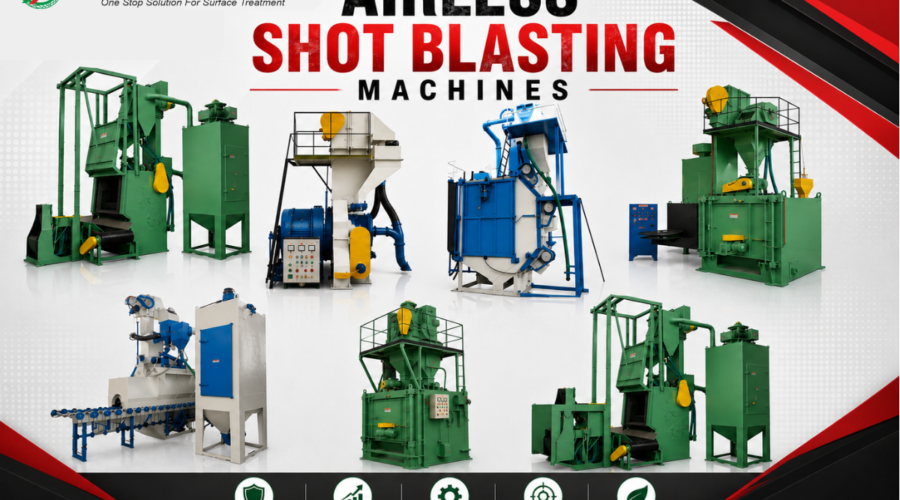
In the world of manufacturing and industrial processes, surface preparation is a critical step that impacts the quality, durability, and aesthetics of finished products. Among the various methods available, shot blasting stands out for its efficiency and effectiveness. Specifically, the Table Type Shot Blasting Machine offers a versatile and robust solution for cleaning, descaling, deburring, and strengthening a wide range of components. This comprehensive guide will explore what makes these machines indispensable, how they operate, their applications, and key considerations for businesses looking to optimize their surface finishing operations.
A Table Type Shot Blasting Machine is designed to process parts that can be placed on a rotating table, exposing their surfaces to a stream of abrasive media (shot). This process effectively removes rust, scale, paint, and other contaminants, while simultaneously creating a uniform surface profile suitable for subsequent coatings or treatments. Known for their consistent performance and adaptability, these machines are a cornerstone in many manufacturing environments, providing a reliable path to superior surface quality.
Swing Table Type Shot Blasting Machine
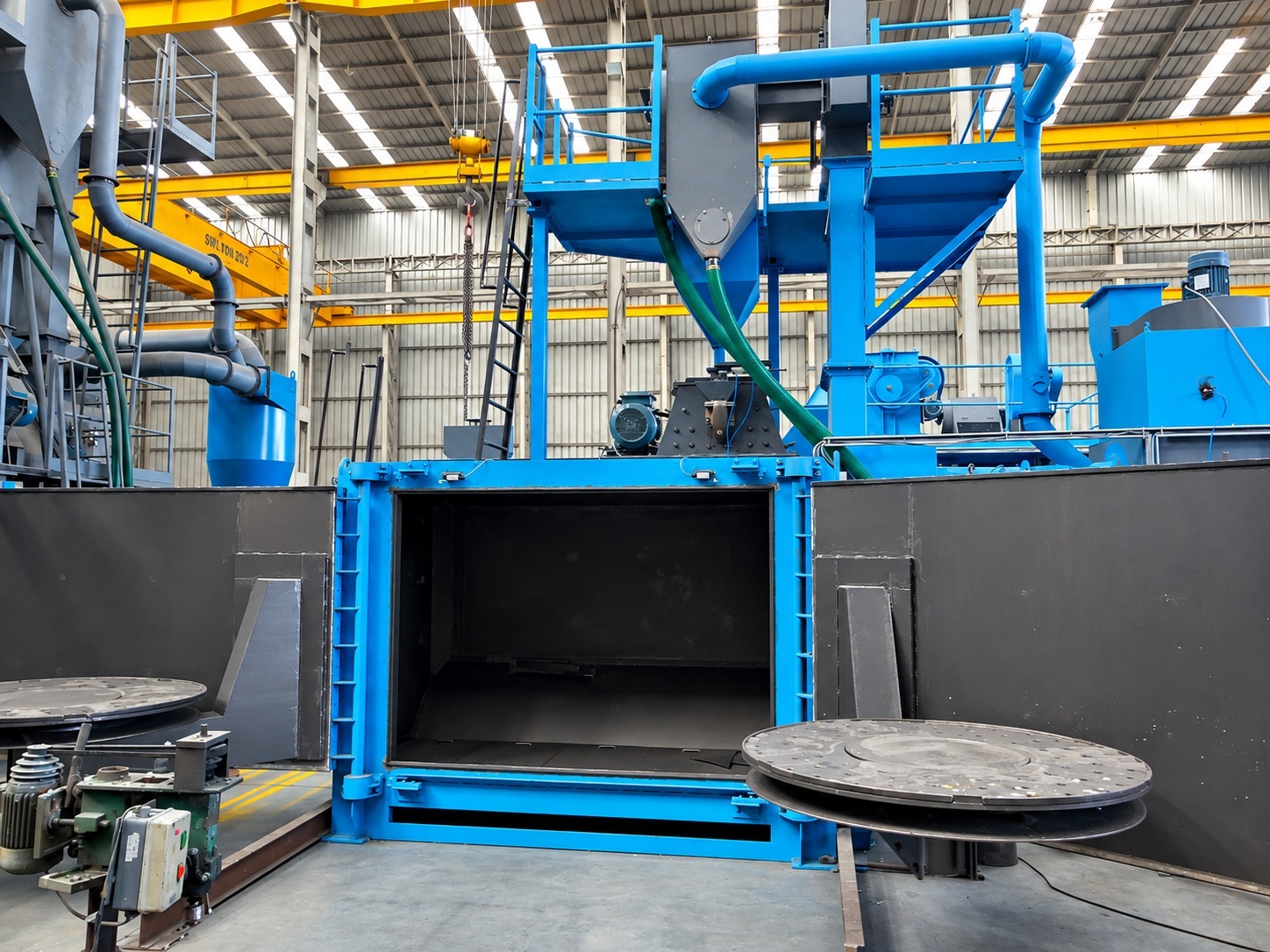
Table of Contents
- What is a Table Type Shot Blasting Machine?
- How Does a Table Type Shot Blasting Machine Work?
- Key Benefits of Using Table Type Shot Blasters
- Applications Across Various Industries
- Understanding Different Types: Focusing on the Swing Table Shot Blasting Machine
- Essential Components of a Table Type Shot Blasting System
- Factors to Consider When Choosing a Table Type Shot Blasting Machine
- Maintenance and Longevity Tips for Your Machine
- Common Challenges and Solutions in Shot Blasting
- Why Choose a Leading Table Shot Blasting Machine Manufacturer?
- Frequently Asked Questions About Table Type Shot Blasting Machines
- Conclusion
What is a Table Type Shot Blasting Machine?
A Table Type Shot Blasting Machine is an industrial equipment used for surface preparation by propelling abrasive media (steel shot, grit, or cut wire) at high velocity onto workpieces placed on a rotating table. The primary goal is to achieve a clean, uniform, and textured surface by removing contaminants like rust, scale, paint, and burrs, or to induce compressive stress for increased fatigue resistance (peening). This machine is particularly suitable for processing batches of smaller parts or single, heavier components that can be rotated to expose all surfaces to the abrasive stream.
The design typically features an enclosed chamber to contain the abrasive action and a rotating turntable, either fixed or extendable, where parts are loaded. High-speed blast wheels, strategically positioned within the chamber, accelerate the abrasive media, which then impacts the workpieces. The consistent rotation of the table ensures thorough and even coverage, making it a highly efficient solution for a variety of finishing needs.
How Does a Table Type Shot Blasting Machine Work?
The operation of a Table Type Shot Blasting Machine is based on a simple yet effective principle of kinetic energy transfer. Here’s a step-by-step breakdown:
- Loading the Workpieces: Parts are manually or automatically loaded onto the rotating table inside the blast chamber. The table is designed to hold various shapes and sizes, ensuring stability during the blasting process.
- Chamber Sealing: Once loaded, the chamber door is securely closed to prevent the escape of abrasive media and dust, maintaining a safe and controlled environment.
- Abrasive Delivery: A precise amount of abrasive media, stored in a hopper, is fed into a high-speed centrifugal blast wheel. This wheel, equipped with multiple blades, rotates rapidly.
- Blasting Action: As the abrasive media enters the spinning blast wheel, it is flung outwards by centrifugal force at extremely high velocities towards the workpieces on the rotating table.
- Surface Impact: The high-velocity impact of the abrasive particles on the workpiece surface removes contaminants, alters surface texture, and imparts desired properties like cleanliness, roughness, or compressive stress.
- Continuous Rotation: The continuous rotation of the table ensures that all exposed surfaces of the workpieces are uniformly blasted, achieving consistent results across the batch.
- Abrasive Recycling: After impacting the parts, the abrasive media, along with removed debris, falls through a grate at the bottom of the chamber. A screw conveyor system transports this mixture to a bucket elevator.
- Separation and Cleaning: The bucket elevator lifts the mixture to an air wash separator. Here, dust and fine debris are separated from the reusable abrasive media, which falls back into the storage hopper for recirculation. The dust is collected by a dedicated dust collector system.
- Unloading: Once the blasting cycle is complete, the blast wheels stop, the chamber door opens, and the treated workpieces are removed.
This closed-loop system ensures efficient use of abrasive media and minimizes waste, making the process environmentally sound and cost-effective.
Key Benefits of Using Table Type Shot Blasters
Investing in a Table Type Shot Blasting Machine offers numerous advantages for businesses focused on quality and efficiency:
- Superior Surface Finish: Achieves a clean, uniform, and consistent surface profile ideal for painting, coating, plating, or bonding, enhancing product longevity and appearance.
- Increased Production Efficiency: Processes multiple parts simultaneously in a single cycle, significantly reducing preparation time compared to manual methods.
- Versatility: Capable of handling a wide array of part sizes, shapes, and materials (e.g., castings, forgings, fabrications, heat-treated parts).
- Cost-Effectiveness: Reduces labor costs by automating the surface preparation process and minimizes abrasive consumption through effective recycling systems.
- Enhanced Durability: Shot peening, a specific application, can significantly improve the fatigue life and stress corrosion cracking resistance of components.
- Improved Adhesion: Creates an optimal surface profile that promotes stronger adhesion for subsequent coatings, preventing premature failures.
- Operator Safety: The enclosed design protects operators from direct exposure to abrasive media and dust, improving workplace safety.
- Environmental Compliance: Integrated dust collection systems effectively capture particulate matter, ensuring a cleaner working environment and adherence to environmental regulations.
Applications Across Various Industries
The versatility of the Table Type Shot Blasting Machine makes it a crucial tool across a multitude of industries:
- Automotive Industry: Used for cleaning engine blocks, cylinder heads, gear components, brake parts, and other cast or forged automotive components to prepare them for further machining or coating.
- Foundries and Forging Plants: Essential for descaling and cleaning castings and forgings, removing sand, scale, and burrs to achieve a smooth finish.
- Aerospace Industry: For peening critical aircraft components to enhance their fatigue strength and extend their operational lifespan.
- General Manufacturing: Surface preparation of various fabricated parts, tools, and machinery components before painting or assembly.
- Heat Treatment Facilities: Removes scale and discoloration from heat-treated parts, restoring their original appearance and preparing them for subsequent processes.
- Die Casting Industry: Cleans aluminum and zinc die castings, removing flash and improving surface finish.
- Shipbuilding and Marine: Preparing marine components for protective coatings to withstand harsh corrosive environments.
- Defense Sector: Surface treatment of weaponry components and military vehicle parts to ensure durability and optimal performance.
Understanding Different Types: Focusing on the Swing Table Shot Blasting Machine
While the core concept remains the same, Table Type Shot Blasting Machines come in various configurations to suit specific operational needs. One prominent variation is the Swing Table Shot Blasting Machine.
Swing Table Shot Blasting Machine
The Swing Table Shot Blasting Machine is characterized by a door-mounted turntable that swings out of the blast chamber for loading and unloading. This design offers several advantages:
- Easier Loading/Unloading: The swing-out table provides unobstructed access, making it simpler to load heavy or awkwardly shaped parts using overhead cranes or hoists.
- Reduced Downtime: While one batch of parts is being blasted, the next batch can be prepared for loading, potentially reducing overall cycle times if a second, optional table is used.
- Ergonomics: The external loading position can improve operator ergonomics and safety.
- Space Efficiency: For some layouts, a swing table design can be more space-efficient, especially when integrating with existing material handling systems.
Other variations of table type machines may include fixed tables (where loading occurs through a door into the chamber), multi-table systems for higher throughput, or specialized designs for very large or uniquely shaped components. The choice between a fixed table and a Swing Table Shot Blasting Machine often depends on the size and weight of the workpieces, desired throughput, and existing material handling capabilities.
Essential Components of a Table Type Shot Blasting System
A typical Table Type Shot Blasting Machine is an integrated system comprising several key components that work in tandem to deliver effective surface preparation:
- Blast Chamber: The heavily reinforced enclosure where blasting takes place. It’s typically lined with manganese steel or rubber to withstand abrasive impact and designed to contain the shot media and dust.
- Rotating Table (Turntable): The platform inside the chamber where workpieces are placed. It rotates at a controlled speed to ensure uniform exposure to the abrasive stream. In a swing table design, this table is mounted on the chamber door.
- Blast Wheels (Turbines): The heart of the system, these high-speed wheels propel the abrasive media. They consist of a central hub, impellers, and control cage, all engineered for efficient acceleration of the shot.
- Abrasive Media Handling System:
- Abrasive Storage Hopper: Holds the clean, reusable abrasive.
- Media Feed Valve: Controls the flow of abrasive to the blast wheels.
- Screw Conveyor: Collects used abrasive and debris from beneath the chamber.
- Bucket Elevator: Lifts the abrasive mixture to the separator.
- Abrasive Separator (Air Wash Separator): Removes dust, fines, and oversized contaminants from the reusable abrasive, ensuring only clean media is recirculated.
- Dust Collector System: Crucial for maintaining a clean environment, this system draws air from the blast chamber and separator, filters out dust and fine particles, and discharges clean air. It includes a fan, filter cartridges/bags, and a dust collection bin.
- Control Panel: Houses all electrical controls, safety interlocks, and operational settings for starting/stopping the machine, adjusting blast wheel speed, table rotation, and cycle times.
- Safety Features: Includes emergency stop buttons, interlocks on doors, and protective guarding to ensure operator safety during operation and maintenance.
Factors to Consider When Choosing a Table Type Shot Blasting Machine
Selecting the right Table Type Shot Blasting Machine requires careful consideration of several factors to ensure it meets your specific operational requirements and budget. Understanding these aspects can also influence the Table Type Shot Blasting Machine Price and overall return on investment.
- Workpiece Characteristics:
- Size and Weight: Determine the maximum dimensions and weight of parts to be processed. This dictates the required table diameter, load capacity, and chamber size.
- Material Type: Different materials (e.g., steel, aluminum, cast iron) respond differently to various abrasive media and blast intensities.
- Shape and Complexity: Complex geometries may require more blast wheels or specific table rotation strategies to ensure complete coverage.
- Desired Surface Finish:
- Application: Is it for descaling, deburring, cosmetic finish, or peening? This will influence the choice of abrasive media, blast intensity, and machine configuration.
- Roughness Requirement: Specify the desired surface roughness (Ra value) for subsequent processes like painting or coating.
- Production Volume and Throughput:
- Batch Size: How many parts need to be processed per cycle?
- Cycle Time: What is the target processing time per batch or part? Higher volumes may necessitate larger tables, multiple blast wheels, or even multi-table systems.
- Abrasive Media Selection:
- Type: Steel shot, steel grit, cut wire, ceramic beads, glass beads. Each offers different results in terms of surface profile and impact.
- Size: Affects the peening intensity and surface roughness.
- Machine Configuration:
- Table Type: Fixed table, swing table (like a Swing Table Shot Blasting Machine), or satellite tables. Consider ease of loading/unloading and integration with material handling.
- Number of Blast Wheels: More wheels generally mean faster processing and potentially better coverage for complex parts.
- Automation: Manual loading vs. automated loading/unloading for higher production lines.
- Maintenance and Serviceability:
- Ease of Access: How easy is it to access wear parts (blast wheel blades, liners) for replacement?
- Parts Availability: Ensure spare parts are readily available from the manufacturer.
- Budget and Operating Costs:
- Initial Table Type Shot Blasting Machine Price: Varies significantly based on size, features, and manufacturer.
- Operating Costs: Consider power consumption, abrasive media consumption, maintenance parts, and labor.
- Manufacturer Reputation and Support:
- Choose a reputable Table Shot Blasting Machine Manufacturer known for quality, reliability, and excellent customer service, including installation, training, and ongoing technical support.
- Check for certifications and adherence to industry standards.
- Space Availability: Ensure the machine’s footprint fits within your facility’s layout, allowing for operational clearances and maintenance access.
Maintenance and Longevity Tips for Your Machine
Regular and diligent maintenance is crucial for ensuring the optimal performance, efficiency, and longevity of your Table Type Shot Blasting Machine. Neglecting maintenance can lead to reduced blasting effectiveness, increased operating costs, and premature equipment failure.
- Daily Checks:
- Inspect blast wheel components (blades, control cage, impeller) for wear. Replace worn parts promptly to maintain blast pattern and efficiency.
- Check abrasive level in the hopper and replenish as needed.
- Empty dust collector bin and check filter differential pressure.
- Inspect the blast chamber lining for excessive wear or damage.
- Ensure all safety interlocks are functioning correctly.
- Weekly Checks:
- Lubricate all moving parts according to the manufacturer’s recommendations (bearings, motor shafts, table drive).
- Clean the abrasive separator to ensure efficient removal of contaminants and proper abrasive conditioning.
- Check the tension and condition of conveyor belts and bucket elevator belts.
- Inspect the condition of rubber curtains and seals around the chamber door.
- Monthly/Quarterly Checks:
- Perform a thorough inspection of the dust collector filters. Clean or replace as necessary.
- Check all electrical connections and components for signs of wear or damage.
- Inspect the table drive mechanism, gearboxes, and motor for any unusual noise or vibration.
- Verify the calibration of all gauges and sensors.
- Annual Service:
- Conduct a comprehensive overhaul of critical components, replacing all severely worn parts.
- Inspect the structural integrity of the machine, including welds and framework.
- Review and update safety procedures and operator training.
- Abrasive Media Management:
- Maintain proper abrasive media mix (operating mix). Regularly add new media to compensate for breakdown and carry-out.
- Periodically test the abrasive media for size consistency and contamination.
- Operator Training: Ensure all operators are thoroughly trained on correct operating procedures, daily checks, and safety protocols. Proper operation minimizes wear and tear.
- Genuine Spare Parts: Always use genuine spare parts from the original Table Shot Blasting Machine Manufacturer to ensure compatibility, performance, and warranty validity.
Common Challenges and Solutions in Shot Blasting
While highly effective, operating a Table Type Shot Blasting Machine can present certain challenges. Understanding these and knowing how to address them can save time and optimize results:
- Inconsistent Surface Finish:
- Challenge: Parts come out unevenly blasted, with some areas under-processed and others over-processed.
- Solution: Check blast wheel wear parts (blades, control cage, impeller) as worn parts disrupt the blast pattern. Ensure correct abrasive media type and size. Verify proper table rotation speed and correct loading of parts to avoid shielding.
- High Abrasive Consumption:
- Challenge: Excessive use of abrasive media, leading to higher operating costs.
- Solution: Inspect the abrasive separator for efficient cleaning; dirty media breaks down faster. Check for leaks in the blast chamber or worn seals where abrasive might escape. Ensure the correct media operating mix is maintained.
- Excessive Dust in Chamber/Outside Machine:
- Challenge: Poor visibility inside the chamber, dust escaping into the workshop, or inefficient dust collection.
- Solution: Check dust collector filters for clogging and replace if necessary. Verify that the dust collector fan is operating at the correct speed and the ducting is free of blockages. Inspect chamber seals and door gaskets for wear.
- Premature Wear of Machine Components:
- Challenge: Liners, blast wheel parts, and other internal components wearing out faster than expected.
- Solution: Ensure the correct abrasive media is being used; overly aggressive or contaminated media can accelerate wear. Verify blast wheel settings to avoid direct impact on liners. Implement regular inspection and replacement of wear parts.
- Workpiece Damage:
- Challenge: Parts being damaged, deformed, or excessively peened.
- Solution: Adjust blast wheel speed or abrasive flow to reduce intensity. Use finer abrasive media. Review part loading procedures to prevent parts from colliding during rotation.
- Machine Downtime:
- Challenge: Frequent breakdowns or long periods where the machine is non-operational.
- Solution: Adhere strictly to the recommended preventative maintenance schedule. Keep a stock of critical wear parts. Train operators and maintenance staff thoroughly to quickly diagnose and resolve minor issues.
Why Choose a Leading Table Shot Blasting Machine Manufacturer?
When investing in industrial equipment like a Table Type Shot Blasting Machine, the choice of manufacturer is as critical as the machine’s specifications. Partnering with a leading Table Shot Blasting Machine Manufacturer offers significant advantages:
- Expertise and Experience: Leading manufacturers possess years of experience and deep engineering knowledge in designing and building robust, efficient, and reliable shot blasting solutions. Their expertise ensures optimal performance and a longer operational life for the machine.
- Quality and Durability: Top manufacturers use high-grade materials and adhere to stringent quality control processes, resulting in machines that are built to withstand the demanding conditions of industrial blasting and offer superior durability.
- Customization Options: A reputable manufacturer can often offer customization to tailor the machine precisely to your specific part dimensions, production volumes, and desired surface finish, optimizing efficiency and results.
- Advanced Technology: Leaders in the field typically incorporate the latest technological advancements, such as energy-efficient blast wheels, advanced control systems, and superior abrasive recovery, leading to lower operating costs and better performance.
- Comprehensive Support: This includes professional installation, thorough operator training, readily available spare parts, and responsive technical support. This minimizes downtime and ensures your machine operates at peak efficiency throughout its lifespan.
- Compliance and Safety: Leading manufacturers design machines that comply with international safety standards and environmental regulations, ensuring a safe working environment and adherence to industry best practices.
- Long-Term Value: While the initial Table Type Shot Blasting Machine Price might be a consideration, a higher-quality machine from a leading manufacturer often provides a lower total cost of ownership over its lifetime due to reduced maintenance, higher efficiency, and greater reliability.
For example, Surface International is a leading table type shot blasting machine manufacturer in India, known for engineering high-quality, durable, and efficient solutions tailored to diverse industrial needs. Such manufacturers are crucial partners in achieving superior surface preparation results.
Frequently Asked Questions About Table Type Shot Blasting Machines
Q1: What is the primary difference between shot blasting and sandblasting?
A: The primary difference lies in the abrasive media used and the method of propulsion. Shot blasting typically uses metallic media (steel shot or grit) propelled by a centrifugal blast wheel, making it more aggressive and ideal for heavy-duty cleaning, descaling, and peening. Sandblasting (or abrasive blasting) usually uses sand or other non-metallic abrasives propelled by compressed air. Sandblasting is often used for finer finishes, lighter cleaning, or preparing surfaces where less impact is desired, but it can create more dust and requires specific safety precautions due to the silica content in sand.
Q2: Can a Table Type Shot Blasting Machine process parts of different materials?
A: Yes, a Table Type Shot Blasting Machine is highly versatile and can process parts made from various materials, including steel, cast iron, aluminum, brass, and even some composites. The key to processing different materials effectively lies in selecting the appropriate abrasive media (type, size, hardness) and adjusting the blast parameters (wheel speed, abrasive flow rate) to suit the material’s properties and the desired finish.
Q3: What factors affect the Table Type Shot Blasting Machine Price?
A: The price of a Table Type Shot Blasting Machine can vary significantly based on several factors, including:
- Size and Capacity: Larger tables and higher load capacities generally mean higher costs.
- Number of Blast Wheels: More blast wheels increase the machine’s complexity and processing speed, impacting the price.
- Automation Level: Machines with automated loading/unloading or advanced control systems are typically more expensive.
- Special Features: Customization, specialized abrasive handling systems, or enhanced dust collectors can add to the cost.
- Manufacturer: Reputable manufacturers with advanced engineering and support may have higher prices but often offer better long-term value.
Q4: How important is the dust collector system in a shot blasting machine?
A: The dust collector system is critically important. It removes airborne dust and fine particles generated during the blasting process, ensuring a clean and safe working environment. A well-functioning dust collector also plays a vital role in the abrasive recycling process by separating fine contaminants from reusable media, which helps maintain abrasive efficiency and prolong machine component life. Without an effective dust collector, visibility decreases, health hazards increase, and the overall blasting quality suffers.
Q5: What are the typical wear parts in a Table Type Shot Blasting Machine and how often should they be replaced?
A: Typical wear parts include the blast wheel components (blades, control cage, impeller, wear plates), internal chamber liners (manganese steel or rubber), rubber curtains/seals, and components of the abrasive handling system (screws, buckets, elevator belts). The replacement frequency depends heavily on the type of abrasive used, the intensity and duration of operation, and the material being processed. Regular inspections (daily/weekly) are crucial, and parts should be replaced as soon as significant wear is detected to prevent damage to other components and maintain blasting efficiency.
Conclusion
The Table Type Shot Blasting Machine is an invaluable asset for industries requiring efficient and high-quality surface preparation. From descaling castings and forgings to peening critical aerospace components, its versatility and robust performance make it a cornerstone of modern manufacturing. By understanding its working principles, myriad applications, and the factors influencing its selection and maintenance, businesses can leverage this technology to enhance product quality, streamline operations, and achieve significant cost savings.
Choosing the right machine and partnering with a knowledgeable Table Shot Blasting Machine Manufacturer are crucial steps towards maximizing the benefits. For those seeking reliable and advanced surface preparation solutions, exploring options from a leading provider ensures a durable investment that delivers consistent results and contributes to overall operational excellence.
To learn more about how a Table Type Shot Blasting Machine can benefit your specific application or to inquire about a tailored solution, we invite you to connect with a leading manufacturer. For example, Surface International is a leading table type shot blasting machine manufacturer in India, offering expert guidance and high-quality equipment designed to meet diverse industrial needs.