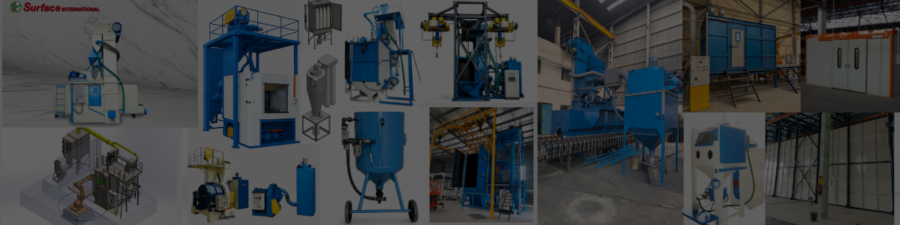
In the industrial landscape of India, where precision surface preparation and robust cleaning are paramount, the role of a high-quality Sand Blasting Machine in India cannot be overstated. From automotive manufacturing to infrastructure development and intricate metalwork, these powerful machines are indispensable tools, ensuring superior finish, adhesion, and longevity for various materials. Surface International stands at the forefront, recognized as a leading manufacturer and supplier, dedicated to providing advanced sand blasting solutions tailored to the diverse needs of the Indian market. This comprehensive guide will delve into everything you need to know about selecting, operating, and maintaining these vital pieces of equipment.
Explore Our Sand Blasting Machines
Explore our industrial blasting and surface preparation machines.
 01
01
 02
02
 03
03
 04
04
 05
05
 06
06
 07
07
 08
08
Table of Contents
- What is a Sand Blasting Machine?
- Types of Sand Blasting Machine in India
- Key Applications of Sand Blasting Machine in India
- Unlocking the Benefits of a Sand Blasting Machine
- Factors to Consider When Choosing a Sand Blasting Machine in India
- Common Mistakes to Avoid with a Sand Blasting Machine
- Practical Tips for Optimal Sand Blasting Performance
- Frequently Asked Questions (FAQ) about Sand Blasting Machine in India
- Conclusion
What is a Sand Blasting Machine?
A sand blasting machine, often referred to as an abrasive blasting machine, is a device used to propel abrasive material (like sand, glass beads, steel grit, or even plastic media) at high velocity onto a surface. This process effectively cleans, smooths, shapes, or roughens a surface, depending on the abrasive material and pressure used. It’s a critical step in preparing surfaces for painting, coating, plating, or even for aesthetic finishes.
The fundamental principle involves a pressurized air system that accelerates abrasive particles through a nozzle, directing them precisely onto the target surface. This impact removes contaminants, rust, old paint, burrs, and other imperfections, revealing a clean, uniform substrate. The efficiency and effectiveness of this process make the sand blasting machine an invaluable asset across numerous industries.
How a Sand Blasting Machine Works
At its core, a sand blasting machine operates on a simple yet highly effective principle. It consists of an air compressor, an abrasive hopper, and a blasting gun with a nozzle. The compressor generates high-pressure air, which is then directed into the hopper containing the abrasive media. As the air passes through, it picks up the abrasive particles, creating a high-velocity stream that exits through the nozzle. The impact of these particles on the workpiece creates the desired surface effect.
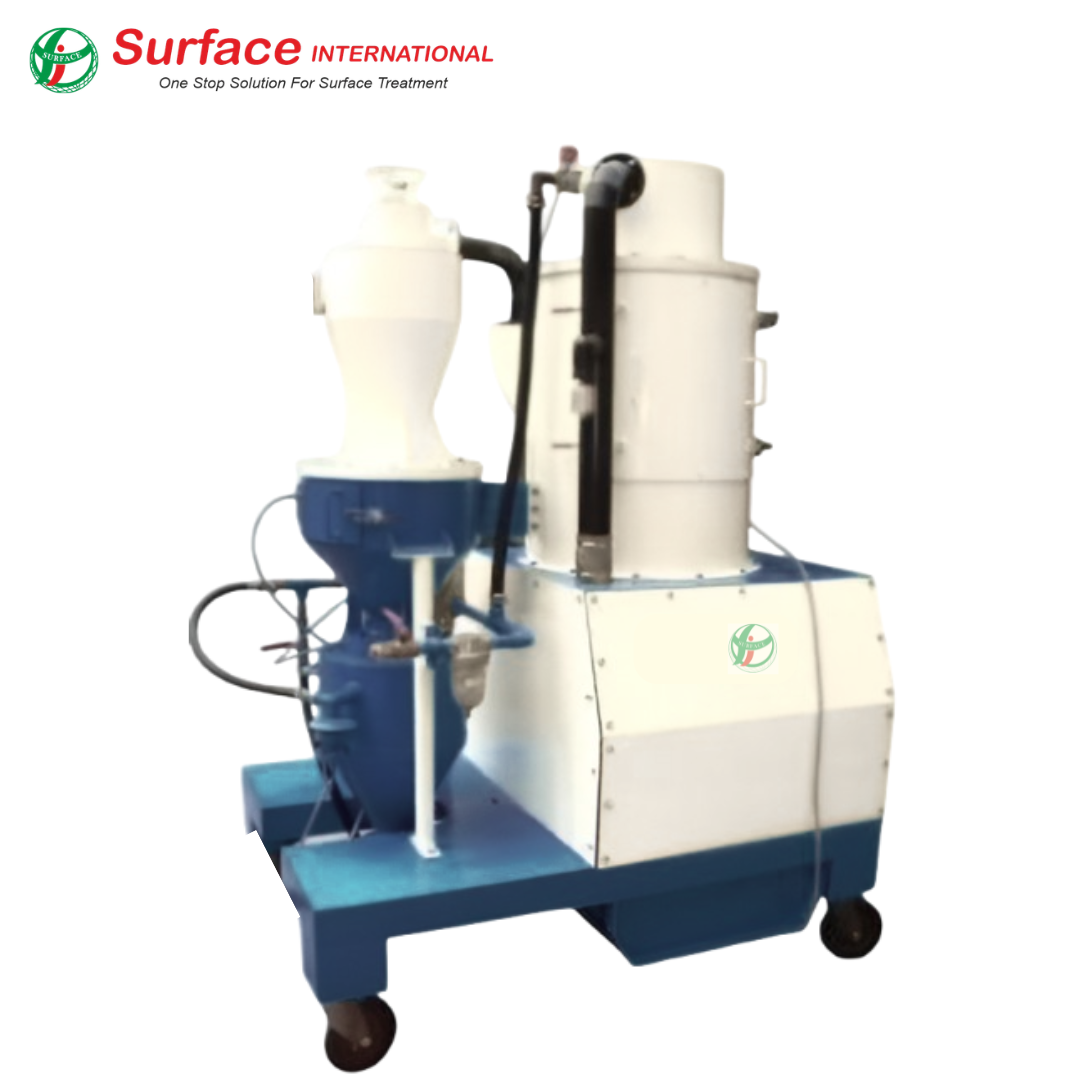
Modern sand blasting machines often incorporate advanced features such as automatic media recovery and separation systems, dust collectors, and various control mechanisms to ensure efficient operation, minimize waste, and enhance safety. Understanding these components is crucial for anyone looking to invest in a reliable sand blasting machine in India.
Types of Sand Blasting Machine in India
The market for a sand blasting machine in India is rich with a variety of models, each designed to cater to specific industrial needs and operational scales. Choosing the right type is paramount for achieving optimal results and efficiency.
Portable Sand Blasting Machines
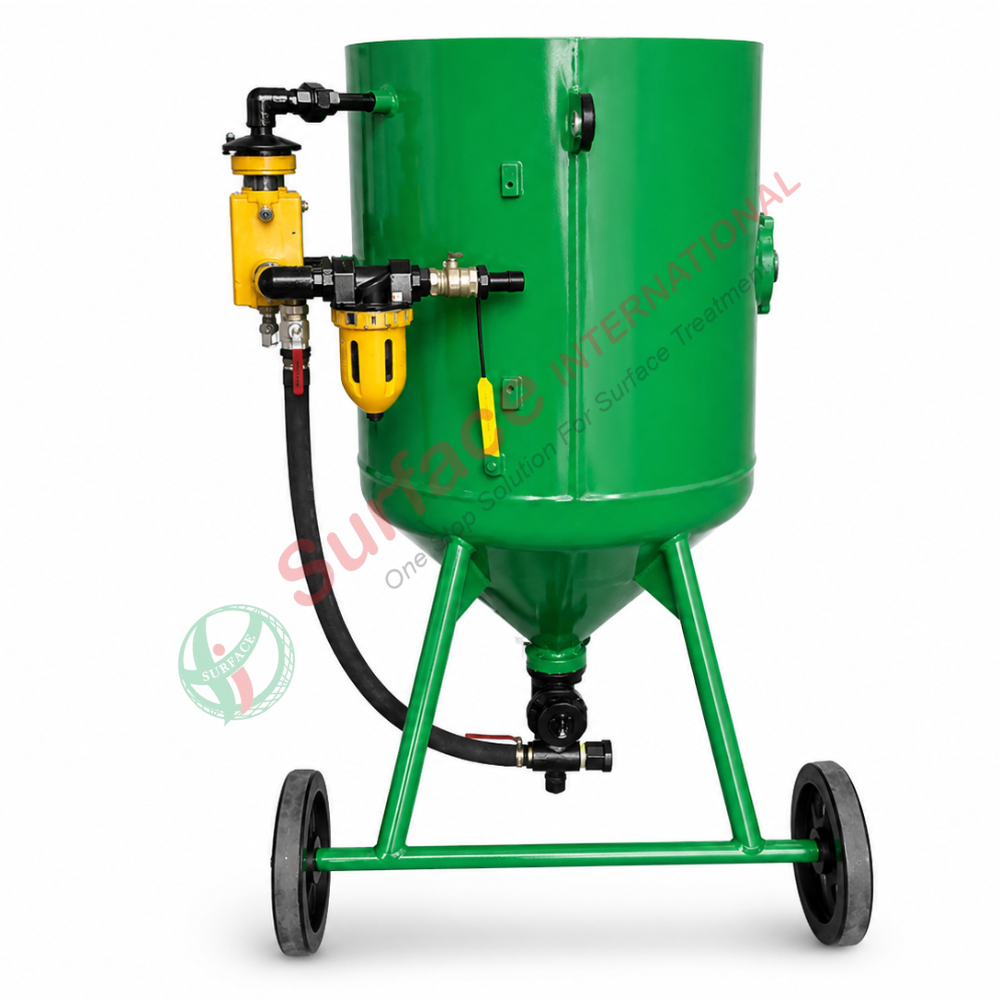
These machines are characterized by their mobility and compact design. Portable sand blasters are ideal for on-site jobs, large structures, or applications where the workpiece cannot be easily moved into a dedicated blasting area. They typically feature wheels and a compact abrasive storage tank, allowing operators to move them around construction sites, shipyards, or large fabrication units. Their capacity might be smaller than fixed units, but their flexibility makes them extremely valuable.
Cabinet Type Sand Blasting Machines
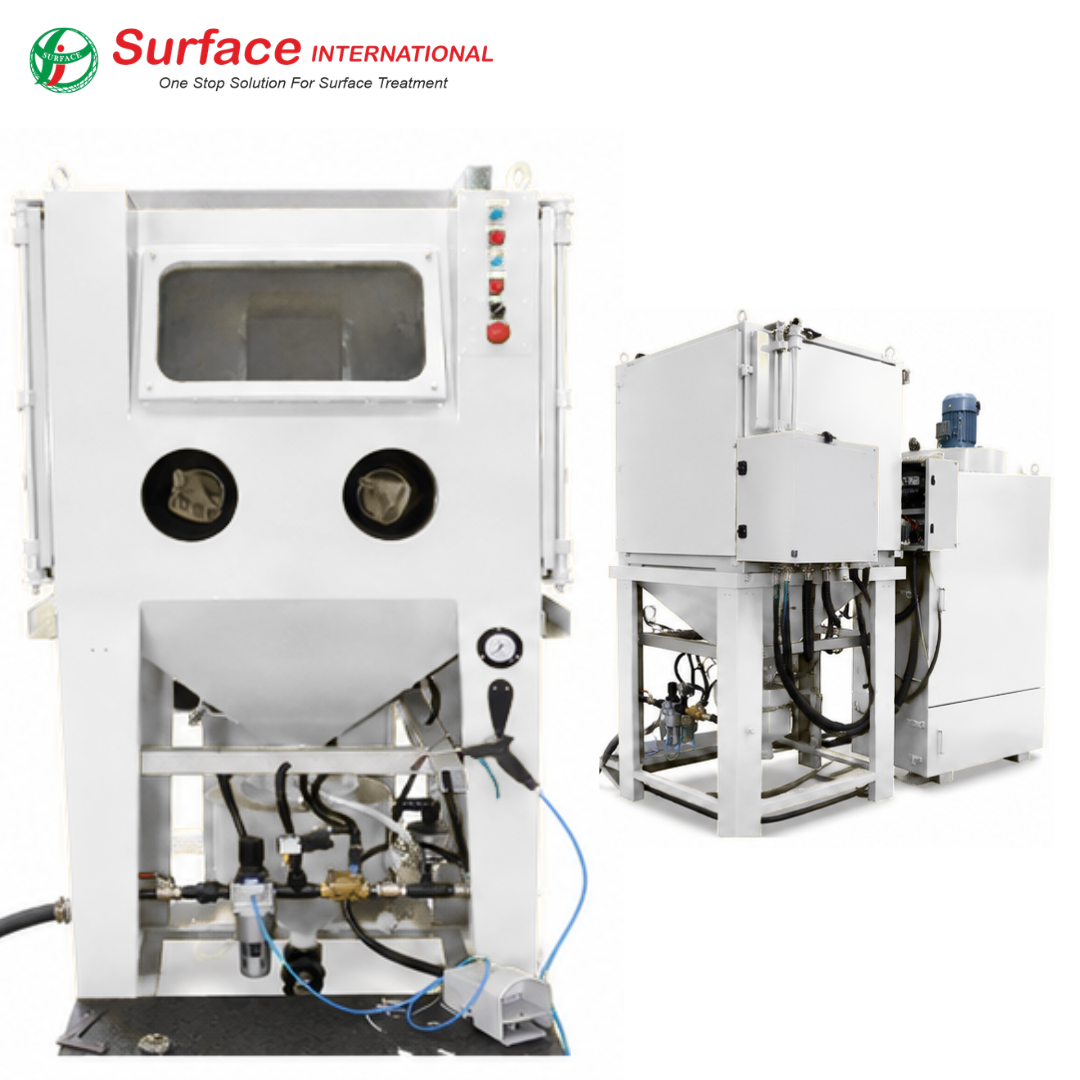
Cabinet blasters are enclosed systems where the blasting process takes place within a sealed chamber. The operator works from outside, manipulating the workpiece and the blasting gun through gloves integrated into the cabinet walls. These are perfect for smaller to medium-sized components, offering a dust-free environment, media recovery, and excellent control. They come in various sizes, from benchtop models for delicate work to larger walk-in units.
Blast Rooms / Walk-in Systems
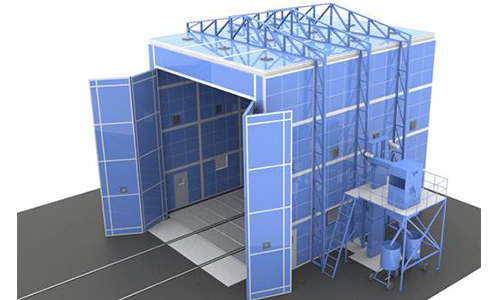
For very large components, such as structural steel, vehicle frames, or heavy machinery parts, blast rooms are the preferred solution. These are custom-engineered, fully enclosed chambers where operators can physically enter to blast large workpieces. They include sophisticated ventilation, dust collection, and abrasive recovery systems to ensure safety and efficiency. A blast room represents a significant investment but offers unparalleled capacity and versatility for industrial-scale operations that require a robust sand blasting machine.
Wet Blasting / Vapor Blasting Machines
Also known as vapor blasting or slurry blasting, wet blasting machines mix the abrasive media with water. This process reduces dust, minimizes heat generation, and provides a smoother, finer finish compared to dry blasting. It’s particularly useful for delicate components, precision cleaning, and applications where surface contamination from dust is a concern. The water acts as a cushion, preventing media impregnation and leaving a clean, satin finish. This specialized sand blasting machine offers distinct advantages for specific applications.
Key Applications of Sand Blasting Machine in India
The versatility of a sand blasting machine makes it indispensable across a multitude of industries in India. Its ability to prepare surfaces, clean, and finish materials efficiently contributes significantly to product quality and operational longevity.
Automotive Industry
In the automotive sector, sand blasting machines are used extensively for cleaning engine parts, preparing chassis for coating, restoring vintage car components, and deburring machined parts. The precision cleaning ensures optimal performance and extends the life of vehicle components. It’s also crucial for preparing surfaces for durable powder coatings and paints.
Construction & Infrastructure
From cleaning concrete surfaces before sealing to preparing steel structures for protective coatings, the construction and infrastructure industries heavily rely on sand blasting. It removes rust, mill scale, and old coatings from bridges, pipelines, tanks, and structural beams, ensuring strong adhesion for subsequent protective layers, which is vital for long-term structural integrity.
General Manufacturing & Fabrication
Almost every manufacturing unit utilizes a sand blasting machine for various processes. This includes deburring machined components, descaling forged or cast parts, texturizing surfaces, and preparing products for plating, painting, or welding. It ensures that fabricated components meet stringent quality standards and have a superior finish.
Restoration & Maintenance
The power of sand blasting is also harnessed in the restoration of old machinery, historical artifacts, and buildings. It gently (or aggressively, depending on media) removes layers of grime, paint, and corrosion without damaging the underlying material, bringing old items back to life. Regular maintenance of industrial equipment also involves sand blasting for cleaning and inspection.
Marine Industry
Ships, offshore platforms, and marine equipment are constantly exposed to harsh corrosive environments. Sand blasting is critical for preparing hull surfaces for anti-fouling paints, removing barnacles and rust, and ensuring the longevity of marine assets. Portable sand blasting machine units are often employed for maintenance in shipyards.
Unlocking the Benefits of a Sand Blasting Machine
Investing in a quality sand blasting machine offers a host of advantages that significantly impact operational efficiency, product quality, and cost-effectiveness for businesses in India. These benefits extend beyond mere cleaning, touching upon critical aspects of industrial processes.
Superior Surface Preparation
One of the primary benefits is the ability to achieve an exceptionally clean and uniform surface profile. Sand blasting removes all contaminants, rust, scale, and old coatings, creating an ideal anchor pattern for subsequent coatings or paint. This ensures maximum adhesion and significantly prolongs the life of the applied finish, preventing premature peeling or corrosion.
Increased Efficiency & Speed
Manual cleaning and preparation methods are time-consuming and labor-intensive. A sand blasting machine automates and accelerates this process dramatically, allowing for faster turnaround times and increased production capacity. Modern machines are designed for continuous operation, reducing downtime and boosting overall productivity.
Versatility in Applications
With a wide range of abrasive media available, sand blasting machines can be adapted for diverse tasks – from aggressive material removal to delicate finishing. Whether it’s heavy industrial cleaning, precision deburring, or creating aesthetic textures, a single machine can handle multiple applications by simply changing the abrasive and adjusting pressure settings.
Cost-Effectiveness & Durability
While the initial investment in a sand blasting machine can be substantial, the long-term cost savings are significant. By ensuring superior surface preparation, it extends the life of coatings and components, reducing the need for frequent repairs or replacements. Furthermore, efficient media recovery systems in advanced machines minimize abrasive consumption, leading to lower operational costs. For more detailed information on maximizing operational efficiency and reducing costs, you might consult various online resources and industry best practices. For general research queries or to find reliable data and documentation, exploring well-established platforms can be very helpful, such as Google Search documentation for tips on information retrieval.
Enhanced Safety & Environmental Compliance
Modern sand blasting machines, especially cabinet type and blast room systems, are designed with advanced dust collection and ventilation systems. This significantly reduces airborne particulate matter, protecting operators from harmful dust and improving workplace air quality. This adherence to safety standards and environmental regulations is increasingly important for businesses operating a sand blasting machine in India.
Factors to Consider When Choosing a Sand Blasting Machine in India
Selecting the ideal sand blasting machine for your specific requirements in India involves a careful evaluation of several critical factors. A thoughtful approach ensures that your investment yields maximum returns and optimal operational performance.
Type of Abrasive Media
The choice of abrasive media (e.g., sand, glass beads, steel grit, aluminum oxide, plastic media) directly impacts the surface finish and the machine’s compatibility. Consider the type of material you’ll be blasting and the desired outcome. Some machines are optimized for specific media types, so ensure compatibility before purchase.
Scale and Nature of Projects
Assess the size and volume of the workpieces you intend to blast. For small, intricate parts, a cabinet blaster might be sufficient. For large, immovable structures, a portable sand blasting machine is necessary. Industrial-scale operations with diverse requirements might benefit from a dedicated blast room or a combination of different machine types.
Machine Features & Technology
Look for features like dust collection systems, automatic media recovery and recycling, adjustable pressure controls, and ergonomic designs. Advanced features enhance efficiency, reduce media consumption, improve safety, and provide greater control over the blasting process. Consider whether you need a manual or automated system.
After-Sales Support & Service
Reliable after-sales support, including installation, training, maintenance, and spare parts availability, is crucial. Choose a manufacturer or supplier in India like Surface International, known for its robust support network. This ensures minimal downtime and extends the lifespan of your sand blasting machine.
Cost and Budget Considerations
While price is an important factor, it shouldn’t be the sole determinant. Consider the total cost of ownership, which includes initial purchase price, operational costs (abrasive, air, power), maintenance, and potential productivity gains. A higher-quality, more efficient machine might have a higher upfront cost but prove more economical in the long run.
Common Mistakes to Avoid with a Sand Blasting Machine
To maximize the efficiency and safety of your sand blasting operations, it’s essential to be aware of and avoid common pitfalls. These mistakes can lead to poor results, increased costs, and even safety hazards.
Using the Wrong Abrasive Media
Selecting an abrasive that is too aggressive can damage the workpiece, while one that is too fine might not achieve the desired cleaning or surface profile. Always match the abrasive type, size, and hardness to the material being blasted and the intended finish. Improper media can also clog the machine or wear out components faster.
Inadequate Safety Measures
Sand blasting generates dust and propelled particles, making safety paramount. Failing to provide operators with proper personal protective equipment (PPE), such as blast suits, helmets with fresh air supply, gloves, and hearing protection, can lead to serious health issues and injuries. Ensure the blasting area is well-ventilated and secured.
Neglecting Regular Maintenance
Like any industrial equipment, a sand blasting machine requires regular maintenance. Ignoring routine checks, cleaning, and replacement of worn parts (e.g., nozzles, hoses, filters, seals) can lead to reduced performance, frequent breakdowns, and costly repairs. A proactive maintenance schedule is key to longevity and consistent results.
Incorrect Pressure Settings
Using excessively high pressure can damage delicate surfaces, embed abrasive particles, or consume media unnecessarily. Conversely, too low pressure will result in ineffective cleaning and slow down the process. Always adjust the blasting pressure according to the workpiece material, desired finish, and abrasive type for optimal results.
Skipping Operator Training
Operating a sand blasting machine effectively and safely requires skill and knowledge. Untrained operators are more prone to making mistakes, causing damage to workpieces, wasting media, and exposing themselves to risks. Invest in comprehensive training for all operators to ensure they understand machine operation, safety protocols, and troubleshooting.
Practical Tips for Optimal Sand Blasting Performance
Achieving consistent, high-quality results with your sand blasting machine in India requires more than just owning the equipment. Implementing best practices and paying attention to operational details can significantly enhance performance and efficiency.
Ensure Proper Ventilation
Effective ventilation is critical, especially for cabinet blasters and blast rooms. A robust dust collection system not only protects operator health by removing airborne dust but also improves visibility inside the blasting chamber, allowing for more precise work. Regularly clean or replace dust collector filters to maintain efficiency.
Effective Abrasive Media Management
Regularly inspect your abrasive media for contaminants, broken particles, or excessive fines. Contaminated or worn media can reduce blasting efficiency and leave undesirable finishes. Utilize media recovery and separation systems effectively to recycle usable abrasive and remove waste, thereby extending media life and reducing costs.
Selecting the Right Nozzle
The nozzle is a critical component that controls the abrasive stream. Different nozzle types (e.g., straight bore, venturi) and sizes are available, each offering varying blast patterns and media consumption rates. Choose the appropriate nozzle for the job to optimize speed, abrasive consumption, and desired finish. Worn nozzles should be replaced promptly as they can significantly reduce efficiency.
Conduct Regular Inspections
Implement a routine inspection schedule for your sand blasting machine. Check hoses, fittings, valves, pressure gauges, and all safety interlocks. Look for signs of wear, leaks, or damage. Early detection of issues can prevent major breakdowns, ensure consistent performance, and maintain a safe working environment.
Invest in Operator Training
Even experienced operators can benefit from refresher courses or training on new techniques and safety protocols. Well-trained operators understand how to optimize machine settings, troubleshoot minor issues, and operate the sand blasting machine safely and efficiently, leading to better outcomes and fewer operational errors. Ensure your team is well-versed in handling every aspect of the sand blasting machine in India.
Frequently Asked Questions (FAQ) about Sand Blasting Machine in India
What is the average lifespan of a sand blasting machine?
The lifespan of a sand blasting machine largely depends on its quality, frequency of use, and adherence to a strict maintenance schedule. A well-built machine from a reputable manufacturer like Surface International, with proper care and regular replacement of wear parts, can last 10-20 years or even longer in industrial settings. Neglect can drastically reduce this.
What are the essential safety precautions when operating a sand blasting machine?
Essential safety precautions include wearing full personal protective equipment (PPE) such as a blast helmet with fresh air supply, blast suit, heavy-duty gloves, and steel-toed boots. The blasting area must be well-ventilated, isolated, and clearly marked. Always inspect equipment for leaks or damage before use, and ensure all operators are properly trained.
Can a sand blasting machine remove paint and rust effectively?
Yes, a sand blasting machine is highly effective at removing paint, rust, scale, and other contaminants from various surfaces. The type of abrasive media and blasting pressure can be adjusted to achieve the desired level of removal without damaging the underlying substrate. It’s often the most efficient method for complete paint and rust stripping.
How do I choose the right abrasive media for my project?
Choosing the right abrasive media depends on the material of the workpiece, the desired surface finish, and the type of contaminant to be removed. For aggressive cleaning and heavy rust, steel grit or aluminum oxide is suitable. For delicate surfaces or a smoother finish, glass beads or plastic media are preferred. Consult with your machine supplier or an abrasive expert for specific recommendations.
What kind of maintenance does a sand blasting machine require?
Regular maintenance for a sand blasting machine includes checking and replacing worn nozzles and hoses, inspecting the air compressor and air lines, cleaning or replacing dust collector filters, inspecting media valves and seals, and ensuring the abrasive recovery system is functioning correctly. Periodic lubrication of moving parts and general cleaning are also vital.
Is it possible to automate the sand blasting process?
Yes, automation in sand blasting is increasingly common, especially in large-scale manufacturing. Robotic sand blasting machines and automated blast cabinets are designed to handle high volumes of parts with consistent quality, reducing labor costs and enhancing safety. These systems often integrate with conveyor belts and other production lines for seamless operation.
Conclusion
The Sand Blasting Machine in India is an indispensable asset for a wide array of industries, offering unparalleled efficiency and effectiveness in surface preparation, cleaning, and finishing. From the robust, portable units used on construction sites to the precision cabinet blasters in manufacturing, these machines are critical for enhancing product quality, durability, and operational efficiency. By understanding the different types, applications, benefits, and crucial factors for selection, businesses can make informed decisions that drive productivity and ensure long-term success.
Choosing a reliable supplier like Surface International ensures not only access to high-quality equipment but also the necessary expertise and after-sales support to maximize your investment. Embracing proper safety protocols, regular maintenance, and continuous operator training are the cornerstones of optimal performance. As industries in India continue to grow and demand higher standards, the role of an advanced sand blasting machine will only become more pronounced, solidifying its status as a foundational tool for excellence.
35+ Years Experience
Mr. Yogesh Maheshwari
Mr. Yogesh Maheshwari is the CEO of Surface International and has over 35 years of experience in the shot blasting, abrasive, and surface preparation industry.
He has worked closely with manufacturers, foundries, engineering companies, and industrial clients, helping them select the right shot blasting machines, steel grit, steel shot, and surface preparation solutions according to their production requirements.
Areas of Expertise
- Shot Blasting Machines
- Steel Grit Manufacturing
- Steel Shot Manufacturing
- Industrial Abrasive Solutions
- Surface Preparation Technology
- Sand Blasting & Shot Blasting
- Corrosion Control & Surface Treatment
- Foundry & Steel Fabrication Applications
This article has been reviewed and verified by Mr. Yogesh Maheshwari. The information presented is based on practical industrial experience, technical knowledge, and current manufacturing practices in the surface preparation industry.