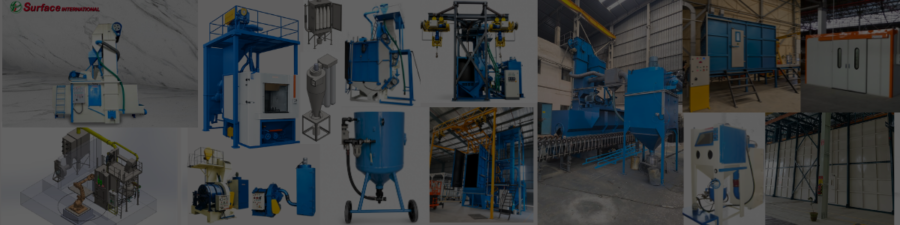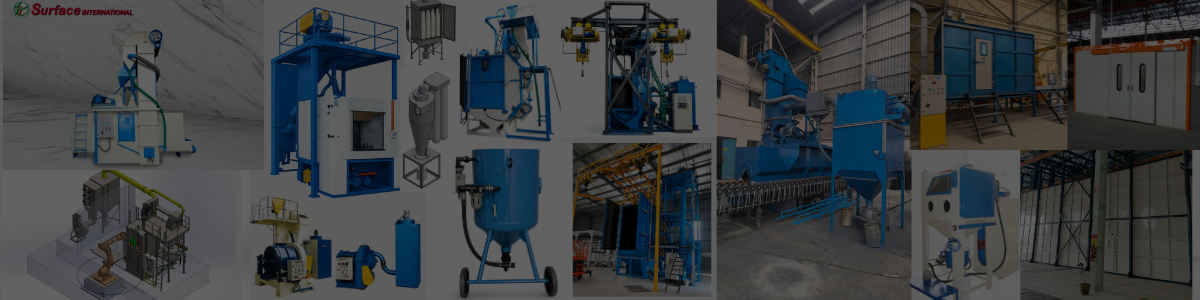
Pune, a rapidly growing industrial hub, is home to a diverse range of manufacturing and engineering enterprises. In this bustling industrial landscape, the demand for robust and efficient surface preparation solutions is paramount. One technology that stands out for its effectiveness in cleaning, deburring, and preparing surfaces is the sand blasting machine. If you’re looking for a high-quality Sand Blasting Machine in Pune, understanding its applications, types, and benefits is crucial. These machines are indispensable for achieving optimal surface finishes, removing rust, scale, and contaminants, and preparing materials for coatings, ensuring longevity and performance in countless industrial operations.
Explore Our Sand Blasting Machines
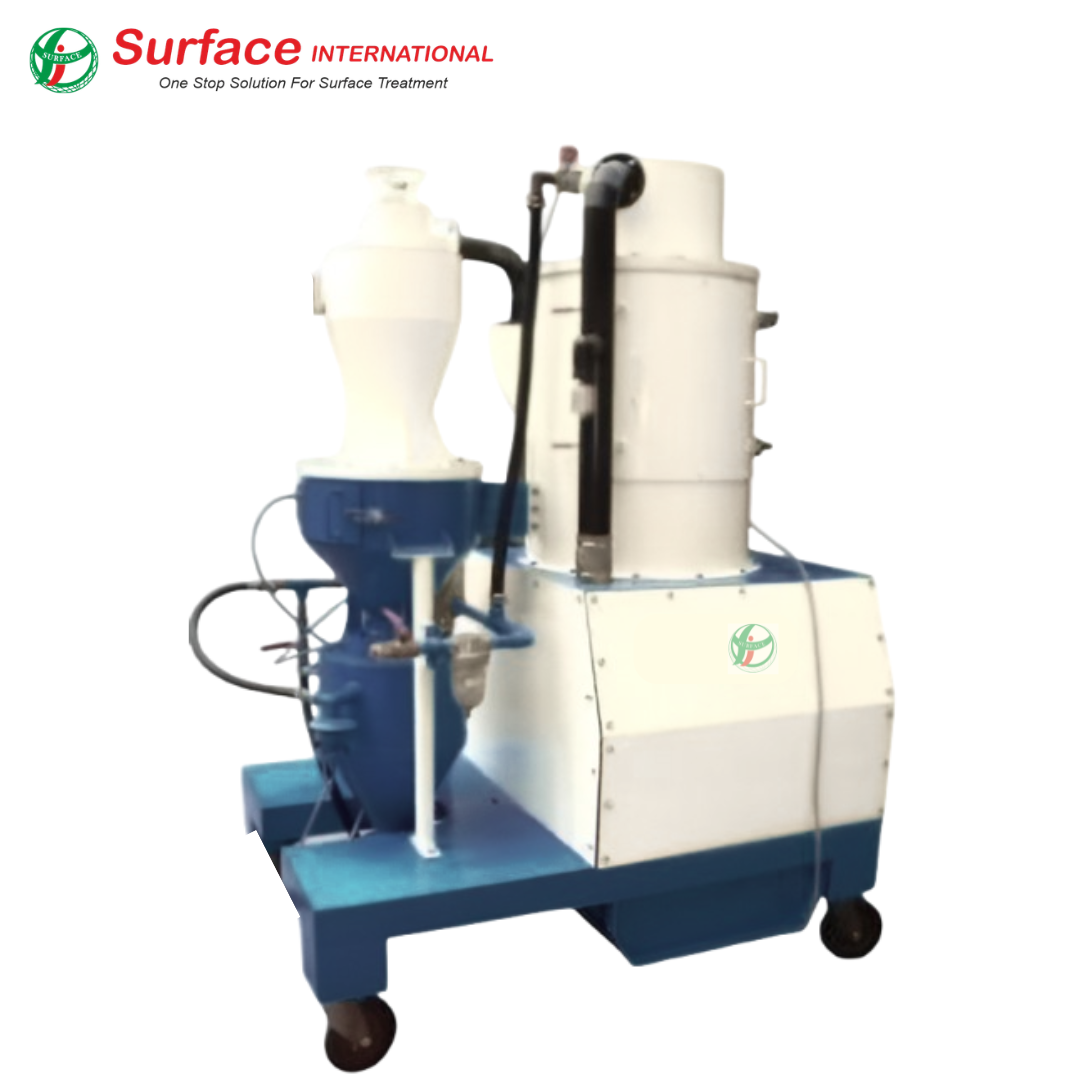
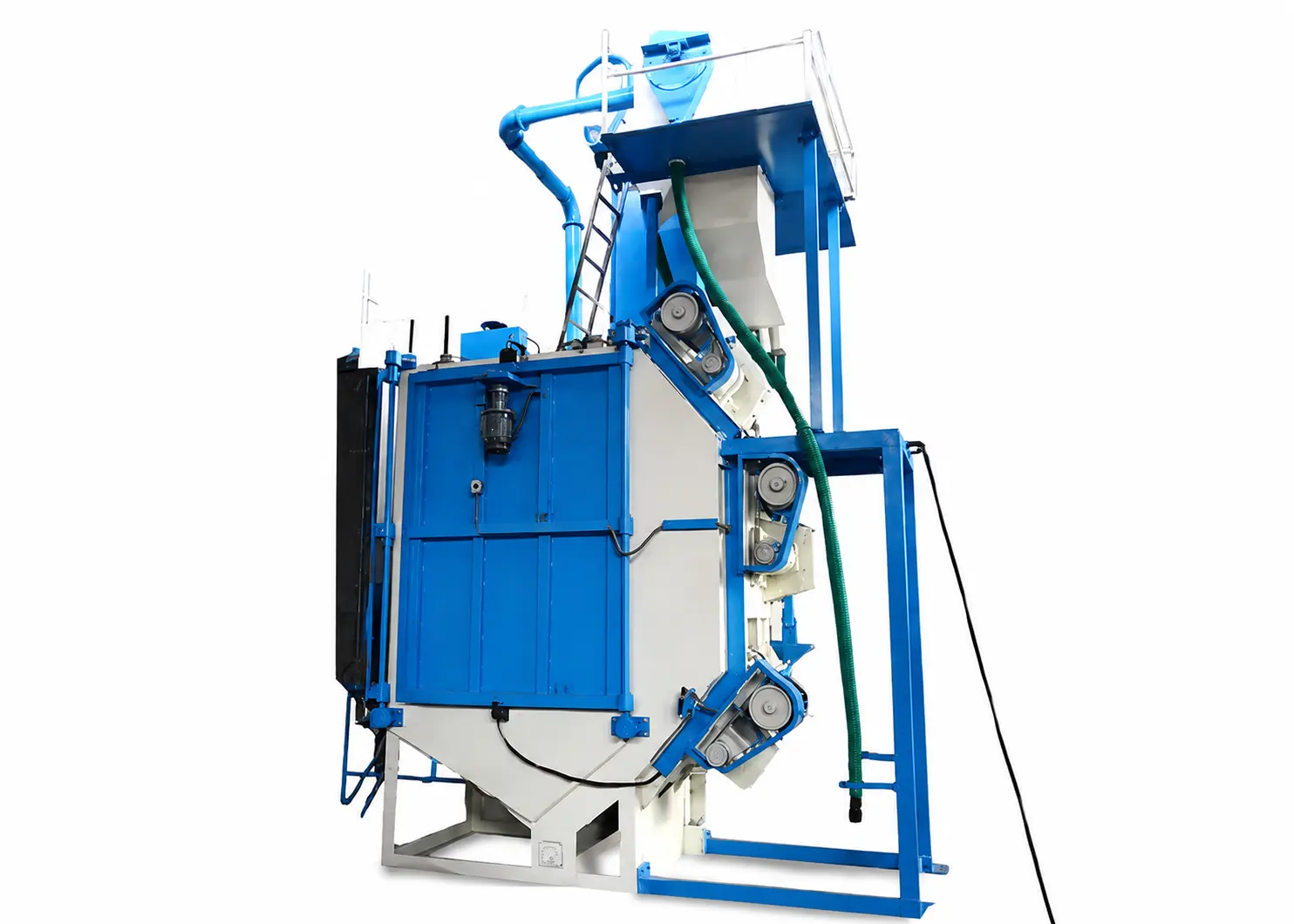
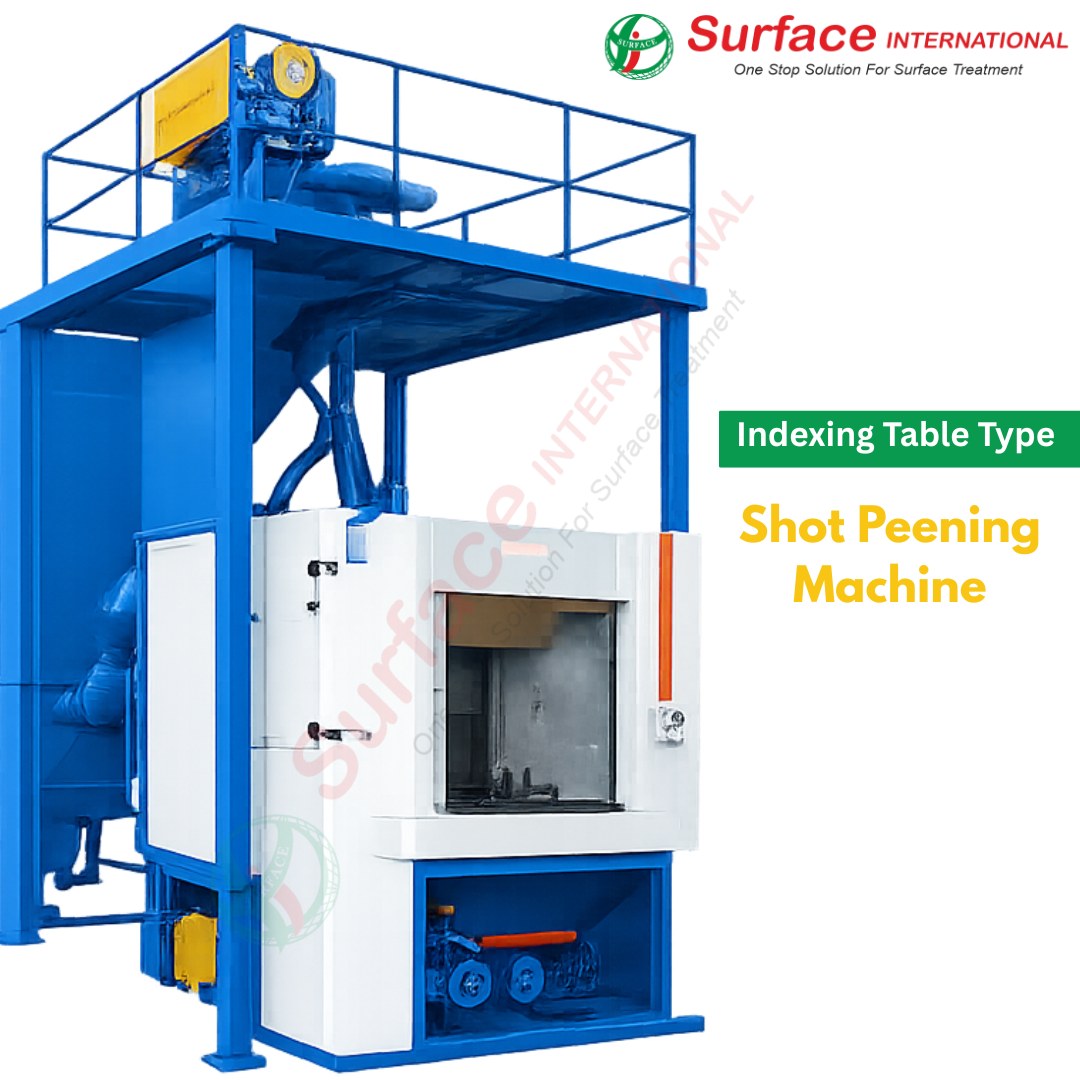
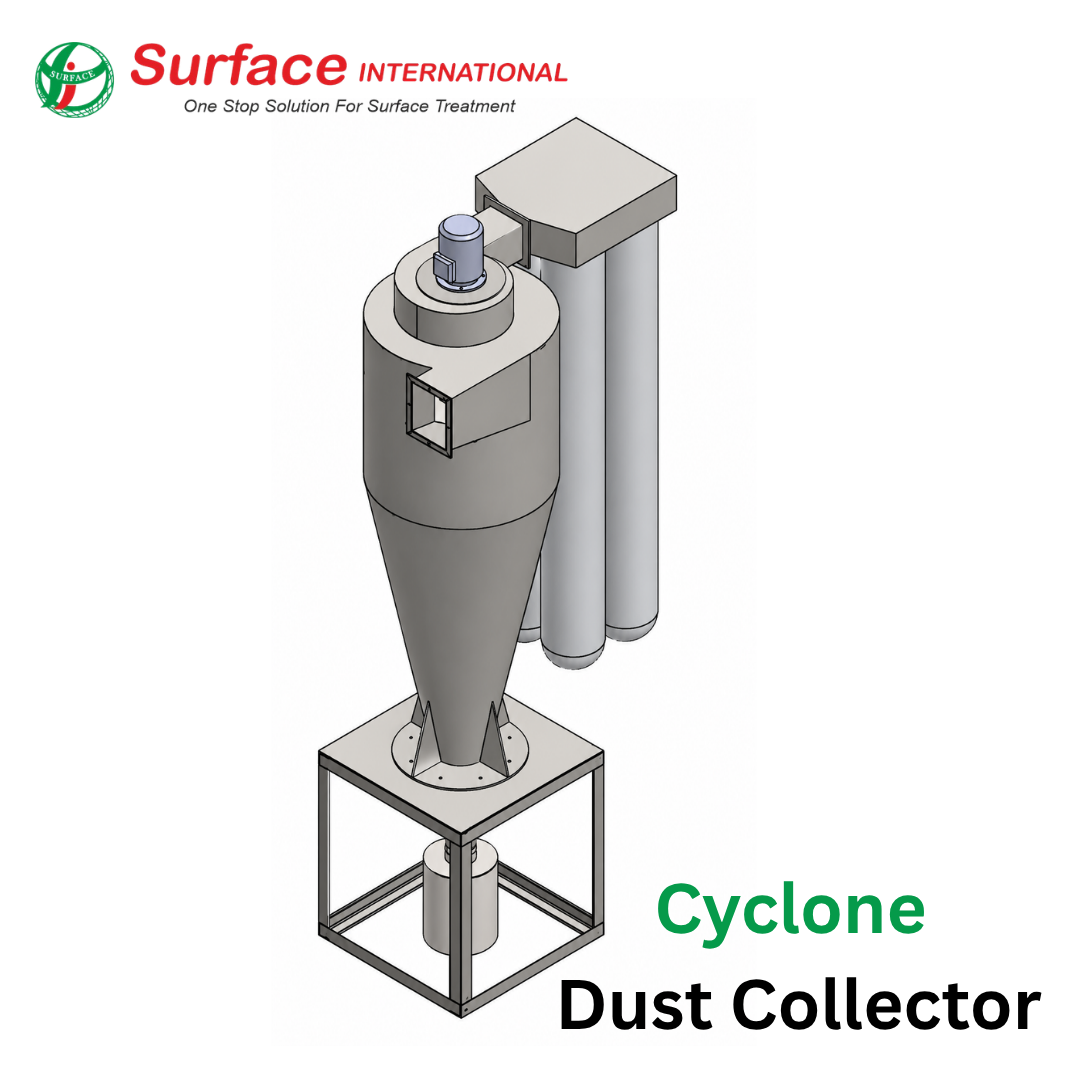
Explore our industrial blasting and surface preparation machines.
 01
 02
 03
 04
 05
 06
 07
 08
Table of Contents
- Introduction to Sand Blasting Machines
- The Critical Role of Sand Blasting Machines in Pune’s Industries
- Types of Sand Blasting Machines: Finding the Right Fit
- Key Applications of Sand Blasting Machines Across Pune’s Sectors
- Choosing the Ideal Sand Blasting Machine for Your Needs
- Maintenance and Safety for Your Sand Blasting Machine
- Benefits of Investing in a Quality Sand Blasting Machine
- Common Mistakes to Avoid When Using Sand Blasting Machines
- Practical Tips for Optimal Sand Blasting Performance
- Frequently Asked Questions About Sand Blasting Machines
- Conclusion
Introduction to Sand Blasting Machines
A sand blasting machine, often referred to as an abrasive blasting machine, is a powerful tool used to propel abrasive media against a surface under high pressure. This process effectively cleans, smooths, shapes, or roughens a surface. The technique is vital across various industries for preparing surfaces for painting, coating, or other finishing processes, as well as for removing rust, scale, paint, and contaminants. The principle is simple yet highly effective: a stream of abrasive material is directed at a surface to achieve a desired finish or to remove unwanted layers. When seeking a reliable Sand Blasting Machine in Pune, it’s important to consider the quality of the equipment, its suitability for your specific application, and the after-sales support provided by the manufacturer. Surface International, as a prominent manufacturer, offers a range of machines designed for durability and performance, catering to the diverse industrial demands of the Pune region.
The Critical Role of Sand Blasting Machines in Pune’s Industries
Pune’s industrial landscape is characterized by its robust automotive, manufacturing, engineering, and construction sectors. Each of these industries relies heavily on effective surface preparation for the quality, durability, and aesthetics of their products. This is where a high-performance Sand Blasting Machine in Pune becomes an indispensable asset. For instance, in the automotive sector, sand blasting is used for engine component cleaning, chassis preparation, and restoring old parts. In manufacturing, it’s crucial for deburring, descaling, and preparing metal components before welding or coating. The clean, uniform surface achieved through sand blasting ensures superior adhesion for paints, powder coatings, and other protective layers, directly impacting the lifespan and performance of the final product. Without proper surface preparation, even the highest quality coatings can fail prematurely, leading to increased maintenance costs and reduced product reliability. Therefore, investing in a suitable sand blasting solution is not just an expense, but a strategic decision for any industry aiming for excellence in Pune.
Types of Sand Blasting Machines: Finding the Right Fit
The world of sand blasting machines is diverse, with various types designed to meet specific industrial requirements. Understanding these differences is key to selecting the most appropriate Sand Blasting Machine in Pune for your operations. Each type offers distinct advantages in terms of efficiency, control, and suitability for different workpieces and applications.
Pressure Blasting Machines
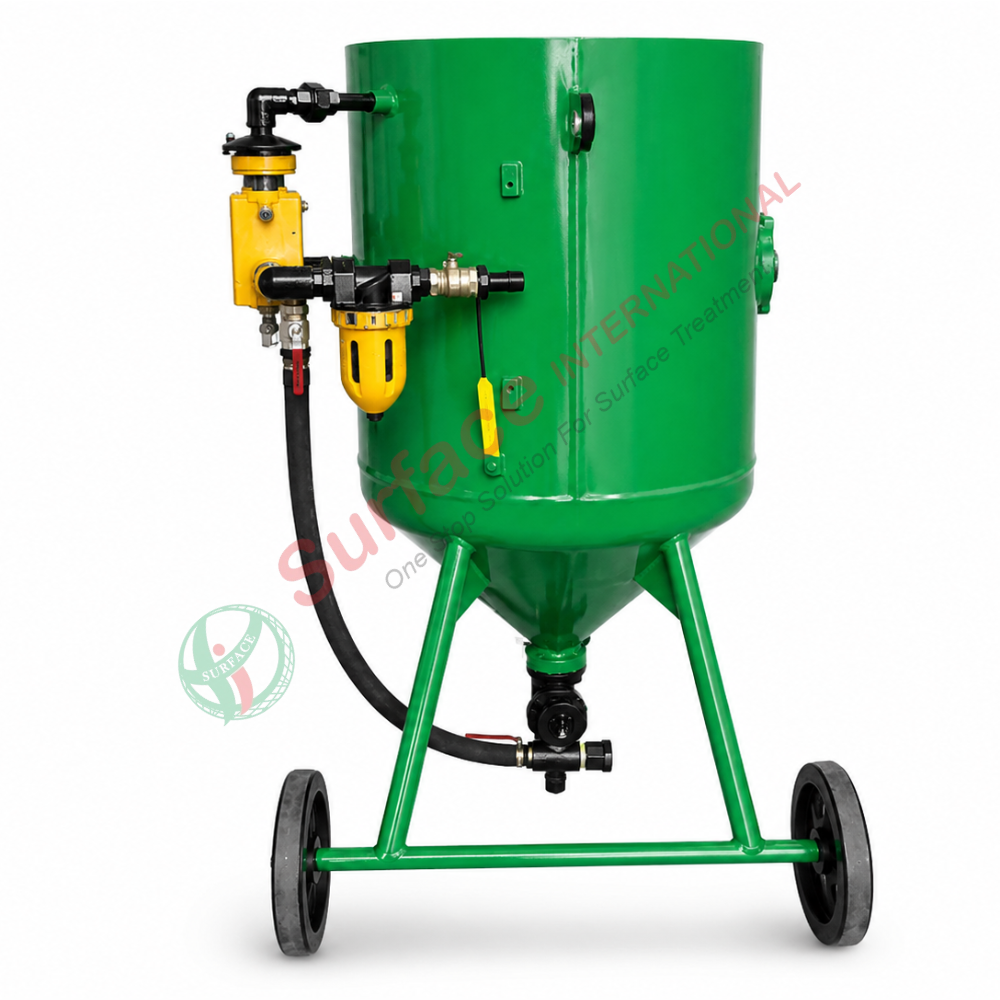
Pressure blasters are known for their high efficiency and speed. They operate by storing abrasive media in a pressure vessel, which is then pressurized to force the media through a blast hose and nozzle at high velocity. This method provides aggressive cleaning and faster material removal rates, making them ideal for heavy-duty applications such as removing thick rust, heavy scale, or old coatings from large surfaces. They are highly effective for industrial cleaning, surface profiling, and preparing components that require a deep anchor profile for subsequent coatings. While powerful, they require careful handling due to the high pressure involved.
Suction Blasting Machines
Suction blasters work on a venturi principle. Air is passed through a blast gun, creating a vacuum that sucks abrasive media from a non-pressurized hopper into the airstream, where it is then propelled towards the workpiece. These machines are generally less aggressive than pressure blasters and are preferred for lighter-duty cleaning, finishing, and decorative applications. They offer more control and are often used for delicate parts, etching, or when a finer finish is required. Suction blasters are also typically more affordable and easier to maintain, making them a good choice for workshops with varying needs.
Cabinet Blasting Machines
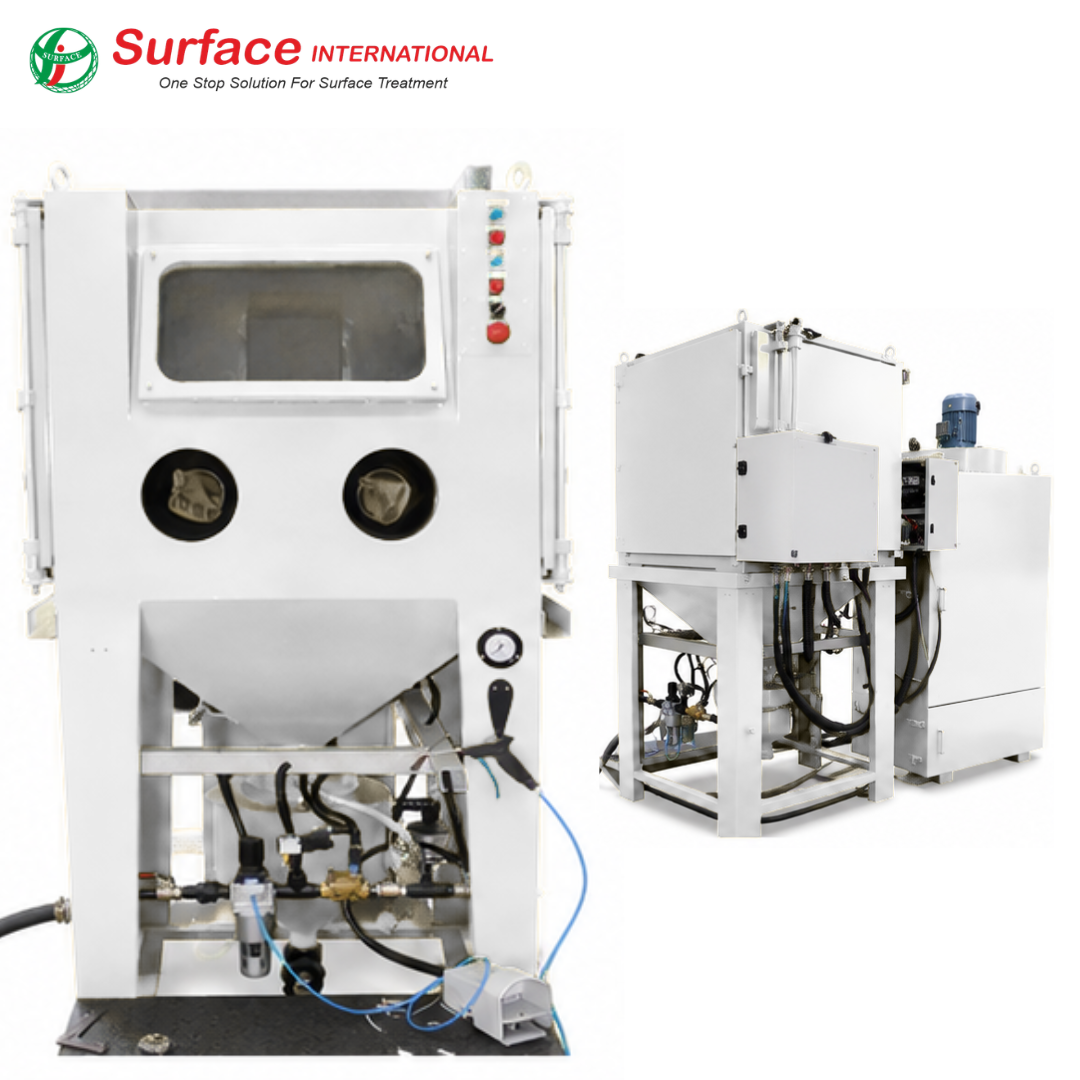
Cabinet blasters are enclosed systems where the blasting process takes place within a sealed chamber. The operator manipulates the workpiece and blast gun from outside the cabinet, viewing the process through a window and using gloves integrated into the cabinet walls. These machines are excellent for small to medium-sized parts, providing a clean, dust-free environment for blasting. They are available in both pressure and suction configurations and are widely used for precision cleaning, deburring, surface finishing, and cosmetic applications in industries where containment of dust and abrasive media is crucial. Many businesses looking for a contained Sand Blasting Machine in Pune opt for cabinet models due to their operational cleanliness.
Portable Blasting Machines
Portable blasters are designed for on-site applications where bringing the workpiece to a stationary machine is impractical. These are typically smaller, wheel-mounted units, often pressure-fed, that can be easily moved to different locations. They are invaluable for construction sites, infrastructure maintenance, marine applications, and restoring large structures like bridges or historical buildings. While offering mobility, their capacity might be limited compared to larger industrial setups. Surface International offers robust portable options for businesses requiring flexible blasting solutions around Pune.
Wet Blasting Machines (Vapor Blasting)
Wet blasting, also known as vapor blasting or slurry blasting, introduces water into the abrasive stream. This method offers several advantages, including a dust-free operation, reduced heat generation on the workpiece, and the ability to achieve a smoother, cleaner finish. The water acts as a lubricant and cushion, reducing media breakdown and preventing abrasive impregnation into softer materials. Wet blasting is ideal for delicate components, precision cleaning, and applications where a very fine, consistent finish is desired without aggressive material removal. It also reduces static electricity, making it safer for certain environments. The technology behind this type of Sand Blasting Machine in Pune is becoming increasingly popular for its environmental benefits and superior finish quality.
Key Applications of Sand Blasting Machines Across Pune’s Sectors
The versatility of sand blasting machines makes them indispensable across a multitude of industries in Pune. Their ability to deliver precise and effective surface treatment opens up a vast array of applications, proving their worth in enhancing product quality and operational efficiency. When considering a Sand Blasting Machine in Pune, it’s beneficial to understand how widely these systems are utilized across different sectors:
- Automotive Industry: From cleaning engine blocks, cylinder heads, and transmission casings to preparing chassis components for painting and restoring classic car parts, sand blasting ensures optimal adhesion of protective coatings and aesthetic finishes. It’s also used for deburring machined parts.
- Aerospace Industry: Precision cleaning of turbine blades, landing gear components, and other critical parts, as well as peening for stress relief and improving fatigue resistance of metal surfaces.
- Manufacturing and Fabrication: Essential for descaling, deburring, and deflashing metal parts after casting, forging, or machining. It prepares surfaces for welding, painting, powder coating, galvanizing, and other protective treatments, ensuring maximum coating adhesion and longevity.
- Construction and Infrastructure: Used for surface preparation of concrete, steel beams, and other structural elements before applying protective coatings. It removes rust, old paint, graffiti, and provides a textured surface for better bonding of new materials.
- Shipbuilding and Marine: Critical for removing marine growth, rust, and old paint from ship hulls, decks, and offshore structures. This prevents corrosion and extends the lifespan of marine vessels and equipment.
- Restoration and Conservation: Gently cleans and restores historical artifacts, masonry, and architectural elements without causing damage, preserving their original integrity while removing years of grime and corrosion.
- Tool and Die Making: Used for cleaning molds, dies, and tools, removing residue and ensuring smooth operation and improved product quality in injection molding, casting, and other processes.
- Oil and Gas Industry: Vital for cleaning pipelines, valves, tanks, and offshore platforms to prevent corrosion and ensure the integrity of critical infrastructure.
The breadth of these applications underscores the strategic importance of choosing the right sand blasting equipment for your specific industrial needs in Pune.
Choosing the Ideal Sand Blasting Machine for Your Needs
Selecting the right Sand Blasting Machine in Pune is a critical decision that impacts efficiency, cost-effectiveness, and the quality of your finished products. With numerous options available, a systematic approach is necessary to ensure you invest in a machine that perfectly aligns with your operational requirements. Here are the key factors to consider:
- Application Type: What is the primary purpose of the blasting? Is it heavy-duty rust removal, fine surface finishing, deburring, peening, or preparing for a specific coating? Different applications require different types of blasters and abrasive media.
- Workpiece Size and Shape: Will you be blasting small, intricate parts or large, bulky components? For small items, a cabinet blaster might be ideal. For large structures or on-site work, a portable or open-blast system would be more suitable. Consider the internal dimensions of cabinets or the reach required for open blasting.
- Required Surface Finish: What kind of finish do you need to achieve? A rough profile for strong coating adhesion, a smooth polished look, or a specific matte finish? This will influence the type of abrasive media and the blasting pressure required.
- Abrasive Media Compatibility: Ensure the machine can handle the abrasive media you intend to use (e.g., sand, glass beads, steel grit, aluminum oxide, plastic media, walnut shells). Some machines are specialized for certain media.
- Production Volume: How many parts do you need to process per day or hour? For high-volume production, a more automated or powerful pressure blaster might be necessary. For occasional use, a suction blaster might suffice.
- Dust Collection and Environmental Concerns: Blasting generates dust. A good dust collector is essential for operator safety and environmental compliance. If dust is a major concern or if blasting takes place indoors, a cabinet blaster or a wet blasting system should be considered.
- Budget and Operating Costs: Beyond the initial purchase price, consider the ongoing costs of abrasive media, compressed air, electricity, maintenance, and replacement parts. Sometimes, a more expensive machine can be more cost-effective in the long run due due to higher efficiency and lower media consumption.
- Available Space: Assess the physical space available in your workshop or factory for the machine, including room for maintenance and material handling.
- Safety Features: Ensure the machine comes with adequate safety features for the operator, such as emergency stops, safety interlocks, and proper ventilation.
- Manufacturer Support and Service: Opt for a reputable manufacturer like Surface International, known for quality products and excellent after-sales service. Local support for your Sand Blasting Machine in Pune ensures quick access to spare parts and technical assistance.
By carefully evaluating these factors, you can make an informed decision and acquire a sand blasting solution that enhances your operational efficiency and product quality.
Maintenance and Safety for Your Sand Blasting Machine
Ensuring the longevity and safe operation of your Sand Blasting Machine in Pune is paramount. Regular maintenance not only extends the machine’s lifespan but also guarantees consistent performance and prevents costly downtime. Adhering to strict safety protocols is equally important to protect operators and bystanders from potential hazards. Here’s a comprehensive look at both aspects:
Essential Maintenance Practices:
- Regular Cleaning: Keep the machine, especially the cabinet interior (for cabinet blasters) and dust collector, free from excessive dust and media buildup.
- Nozzle Inspection and Replacement: Blasting nozzles are wear parts. Inspect them regularly for wear and tear. Worn nozzles can reduce efficiency, increase abrasive consumption, and lead to poor blast patterns. Replace them promptly.
- Hose and Couplings Check: Examine blast hoses for cracks, leaks, or blockages. Ensure all couplings are secure and free from leaks, which can lead to pressure loss and safety risks.
- Dust Collector Maintenance: Clean or replace dust collector filters regularly according to the manufacturer’s recommendations. A clogged filter reduces suction efficiency, leading to a dusty environment and poor visibility.
- Abrasive Media Management: Regularly check the abrasive media for contamination (e.g., rust, oil, oversized particles) and consistency. Contaminated or broken-down media can damage the workpiece and the machine. Screen or replace media as needed.
- Lubrication: Check and lubricate moving parts as specified in the machine’s manual.
- Air Compressor Check: Ensure your air compressor is well-maintained, providing clean, dry air at the correct pressure and volume for optimal blasting performance.
Crucial Safety Protocols:
- Personal Protective Equipment (PPE): Always wear appropriate PPE, including a blast hood or helmet with a fresh air supply, heavy-duty gloves, protective overalls, and safety footwear. Ear protection is also essential due to noise levels.
- Ventilation: Ensure adequate ventilation in the blasting area to remove dust and airborne contaminants. Use dust collectors and exhaust systems effectively.
- Training: Only trained and authorized personnel should operate sand blasting machines. Operators must understand the machine’s functions, safety features, and emergency procedures.
- Work Area Isolation: Isolate the blasting area to prevent unauthorized access. Use warning signs and barriers. For open blasting, ensure no personnel or sensitive equipment are in the blast zone.
- Machine Inspection: Before each use, conduct a pre-operational check of the machine, including hoses, nozzles, connections, and safety interlocks.
- Emergency Procedures: Operators should know the location of emergency stop buttons and understand how to react in case of equipment malfunction or accident.
- Media Handling: Handle abrasive media according to safety data sheets (SDS), especially silica sand, which can pose a respiratory hazard if not properly managed. Consider alternatives to silica sand.
- Electrical Safety: Ensure all electrical connections and components are in good condition and conform to safety standards.
By diligently following these maintenance and safety guidelines, any user of a Sand Blasting Machine in Pune can ensure a safe and productive work environment while maximizing the lifespan of their equipment.
Benefits of Investing in a Quality Sand Blasting Machine
Investing in a high-quality Sand Blasting Machine in Pune offers a myriad of benefits that extend far beyond mere surface cleaning. These machines are crucial for enhancing product quality, streamlining manufacturing processes, and ensuring long-term operational efficiency. Here are some key advantages:
- Superior Surface Preparation: Sand blasting achieves a level of surface cleanliness and profiling that is often unattainable by manual methods. This ensures optimal adhesion for coatings, paints, and other finishes, significantly extending their lifespan and preventing premature failure.
- Increased Efficiency and Speed: Modern sand blasting machines process workpieces much faster than manual grinding or wire brushing. This leads to reduced labor costs and higher throughput, accelerating production cycles.
- Versatility: With a wide range of abrasive media available, sand blasting machines can be used for various applications – from aggressive rust removal to delicate surface etching and peening for stress relief.
- Cost-Effectiveness: While there’s an initial investment, the long-term savings from reduced rework, extended coating life, and improved product durability make sand blasting a highly cost-effective solution.
- Uniformity and Consistency: Sand blasting provides a consistent and uniform surface profile, which is critical for quality control and achieving predictable results, especially in mass production environments.
- Safety (with proper precautions): When operated correctly with appropriate PPE and ventilation, sand blasting can be a safer alternative to chemical stripping or methods that generate excessive heat or fumes.
- Enhanced Product Aesthetics: Beyond functionality, sand blasting can improve the visual appeal of products by providing a clean, uniform finish, crucial for consumer-facing goods.
- Environmental Benefits (with specific media/methods): With the right abrasive media (e.g., crushed glass, plastic media) and wet blasting techniques, environmental impact can be significantly reduced compared to chemical cleaning methods.
For industries in Pune, these benefits translate directly into competitive advantages, making a quality sand blasting solution an indispensable asset.
Common Mistakes to Avoid When Using Sand Blasting Machines
While a Sand Blasting Machine in Pune is a powerful tool, its effectiveness and safety depend on proper usage. Operators sometimes make mistakes that can lead to inefficient blasting, damage to the workpiece or equipment, and even safety hazards. Awareness of these common pitfalls can help prevent them:
- Using the Wrong Abrasive Media: Not all media are suitable for all applications. Using too aggressive media on delicate parts can cause damage, while using too fine media on heavy rust will be ineffective. Always match the media to the material and desired finish.
- Incorrect Blasting Pressure: Too high pressure can warp thin materials, cause excessive media breakdown, and waste energy. Too low pressure will result in slow, ineffective blasting. Refer to the manufacturer’s guidelines and test on a scrap piece.
- Worn Nozzles: A worn nozzle widens the blast pattern, reduces abrasive velocity, and leads to inconsistent results and increased media consumption. Inspect and replace nozzles regularly.
- Inadequate Air Supply: Insufficient air volume or pressure from the compressor will severely hamper blasting efficiency, making the process slow and ineffective. Ensure your compressor can meet the machine’s requirements.
- Neglecting PPE and Safety Protocols: Failing to wear full PPE (blast hood, gloves, protective clothing, ear protection) is extremely dangerous and can lead to severe injuries or long-term health issues. Always prioritize safety.
- Poor Ventilation: Operating in an enclosed space without proper ventilation leads to excessive dust accumulation, reducing visibility, creating respiratory hazards, and contaminating the environment.
- Over-blasting: Blasting a surface for too long can thin the material, cause warping, or create an overly rough profile that negatively affects subsequent coatings.
- Dirty or Contaminated Abrasive: Using media contaminated with oil, grease, or rust can transfer these impurities to the workpiece, compromising the new surface. Always use clean, dry media.
- Improper Distance and Angle: Holding the blast gun too close or too far, or at an incorrect angle, can lead to uneven blasting, shadowing, or inefficient material removal. Practice maintaining a consistent distance and angle.
- Ignoring Machine Maintenance: Skipping regular checks of hoses, filters, and other components can lead to breakdowns, reduced efficiency, and potentially unsafe operating conditions.
By avoiding these common mistakes, operators can ensure their sand blasting operations are efficient, safe, and produce high-quality results.
Practical Tips for Optimal Sand Blasting Performance
To maximize the efficiency, safety, and effectiveness of your Sand Blasting Machine in Pune, implementing a few practical tips can make a significant difference. These insights, garnered from extensive industry experience, can help you achieve superior results consistently:
- Know Your Abrasive: Research and select the most appropriate abrasive media for your specific task. Consider factors like material hardness, desired finish, environmental impact, and recyclability. Keep different media types separate to avoid contamination.
- Optimize Air Pressure: Don’t assume higher pressure is always better. Experiment with different air pressures to find the optimal balance between removal rate and surface integrity. Too much pressure can damage delicate parts or cause excessive media breakdown.
- Maintain Consistent Standoff Distance and Angle: For uniform results, try to maintain a consistent distance between the nozzle and the workpiece, and a consistent angle of attack. Typically, an angle between 30 and 45 degrees is effective for aggressive cleaning, while a more direct 90-degree angle can be used for specific profiling or peening.
- Use Proper Blasting Technique: Employ an overlapping stroke pattern to ensure even coverage and prevent streaks or missed spots. Work in manageable sections rather than trying to blast the entire surface at once.
- Regularly Inspect Wear Parts: Nozzles, hoses, and cabinet liners are consumables. Regularly check for wear and replace them before they significantly impact performance or become a safety hazard. A worn nozzle drastically reduces efficiency.
- Ensure Dry Air Supply: Moisture in the compressed air can cause abrasive clumping, nozzle clogging, and inconsistent blasting. Invest in an air dryer and moisture separators to ensure a clean, dry air supply.
- Pre-Clean Heavily Soiled Items: For parts with heavy grease, oil, or loose debris, a preliminary wash or scrap can save valuable blasting time and prevent contamination of your abrasive media.
- Test on a Scrap Piece: Whenever working with a new material, media, or settings, always perform a test blast on a scrap piece or an inconspicuous area to verify the results before proceeding to the actual workpiece.
- Proper Media Recovery and Recycling: For reusable media, ensure your recovery system (if applicable) is functioning correctly to separate contaminants and oversized particles, maximizing media lifespan and reducing waste.
- Consult the Experts: If you encounter complex challenges or need advice on specialized applications, don’t hesitate to consult the manufacturer or experienced blasting professionals. Surface International, as a leading provider of Sand Blasting Machine in Pune, can offer valuable guidance.
Frequently Asked Questions About Sand Blasting Machines
What is a sand blasting machine used for?
A sand blasting machine is primarily used for surface preparation. This includes cleaning, deburring, descaling, roughening, or smoothing various surfaces. It’s essential for removing rust, paint, contaminants, and preparing surfaces for coating, painting, or other finishing processes to improve adhesion and durability.
What types of abrasive media can be used in a sand blasting machine?
A wide range of abrasive media can be used, depending on the application. Common types include silica sand (use with caution due to health risks), garnet, aluminum oxide, steel grit, glass beads, plastic media, walnut shells, and corn cob. The choice depends on the desired finish, the material being blasted, and environmental considerations.
Is sand blasting harmful?
Sand blasting itself is not inherently harmful to the material being processed when done correctly. However, operating a sand blasting machine without proper safety precautions can be hazardous. The primary risks are respiratory issues from inhaling dust (especially silica dust), eye injuries, skin abrasions, and hearing damage. Always use appropriate Personal Protective Equipment (PPE) and ensure good ventilation.
How do I choose the right sand blasting machine for my business in Pune?
Consider your specific application (e.g., heavy-duty cleaning, fine finishing), the size and type of workpieces, required production volume, available space, and budget. Evaluate whether a pressure, suction, cabinet, or portable system is most suitable. Consulting with a local expert like Surface International for a Sand Blasting Machine in Pune can help you make an informed decision based on your unique needs.
What maintenance is required for a sand blasting machine?
Regular maintenance includes inspecting and replacing worn nozzles and hoses, cleaning or replacing dust collector filters, checking abrasive media for contamination, ensuring a dry air supply, and lubricating moving parts. Following the manufacturer’s maintenance schedule is crucial for extending machine life and maintaining performance.
What is the difference between dry blasting and wet blasting?
Dry blasting uses only dry abrasive media propelled by compressed air. It’s highly effective for aggressive cleaning and creating a rough surface profile. Wet blasting (or vapor blasting) mixes abrasive media with water. This method reduces dust, generates less heat, and typically produces a smoother, cleaner finish, making it ideal for delicate parts or when dust suppression is critical. You can learn more about general search engine guidelines by visiting Google Search documentation.
Conclusion
The role of a reliable Sand Blasting Machine in Pune cannot be overstated for industries striving for excellence in surface preparation. From enhancing the durability of automotive components to ensuring the pristine finish of manufactured goods, these machines are foundational to quality output. By understanding the various types, applications, and critical factors for selection, businesses can make informed decisions that optimize their operational efficiency and product longevity. Surface International stands as a trusted provider, offering a range of high-quality sand blasting solutions tailored to meet the dynamic demands of Pune’s industrial sectors. Investing in the right sand blasting technology, coupled with diligent maintenance and strict adherence to safety protocols, will undoubtedly yield significant returns, ensuring your products meet the highest standards of quality and performance in a competitive market.