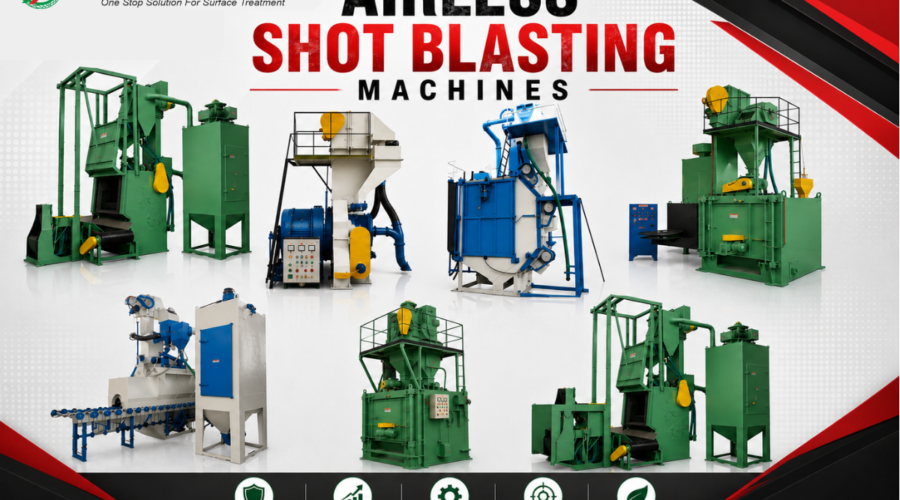
In the realm of industrial surface preparation, achieving optimal cleanliness, finish, and adhesion is paramount. Industries from automotive to aerospace, and foundry to fabrication, rely heavily on robust solutions for preparing metal surfaces. Among the most efficient and versatile machines for this purpose is the Swing Table Type Shot Blasting Machine. This powerful piece of equipment plays a crucial role in removing rust, scale, old paint, and other contaminants, while simultaneously imparting a desired surface profile crucial for subsequent coatings or processes. Understanding its mechanics, applications, and operational nuances is key for any industrial professional looking to enhance their production quality and efficiency. This article delves deep into the world of swing table shot blasting, offering insights into its functionality, benefits, and how to maximize its potential.
Swing Table Type Shot Blasting Machine
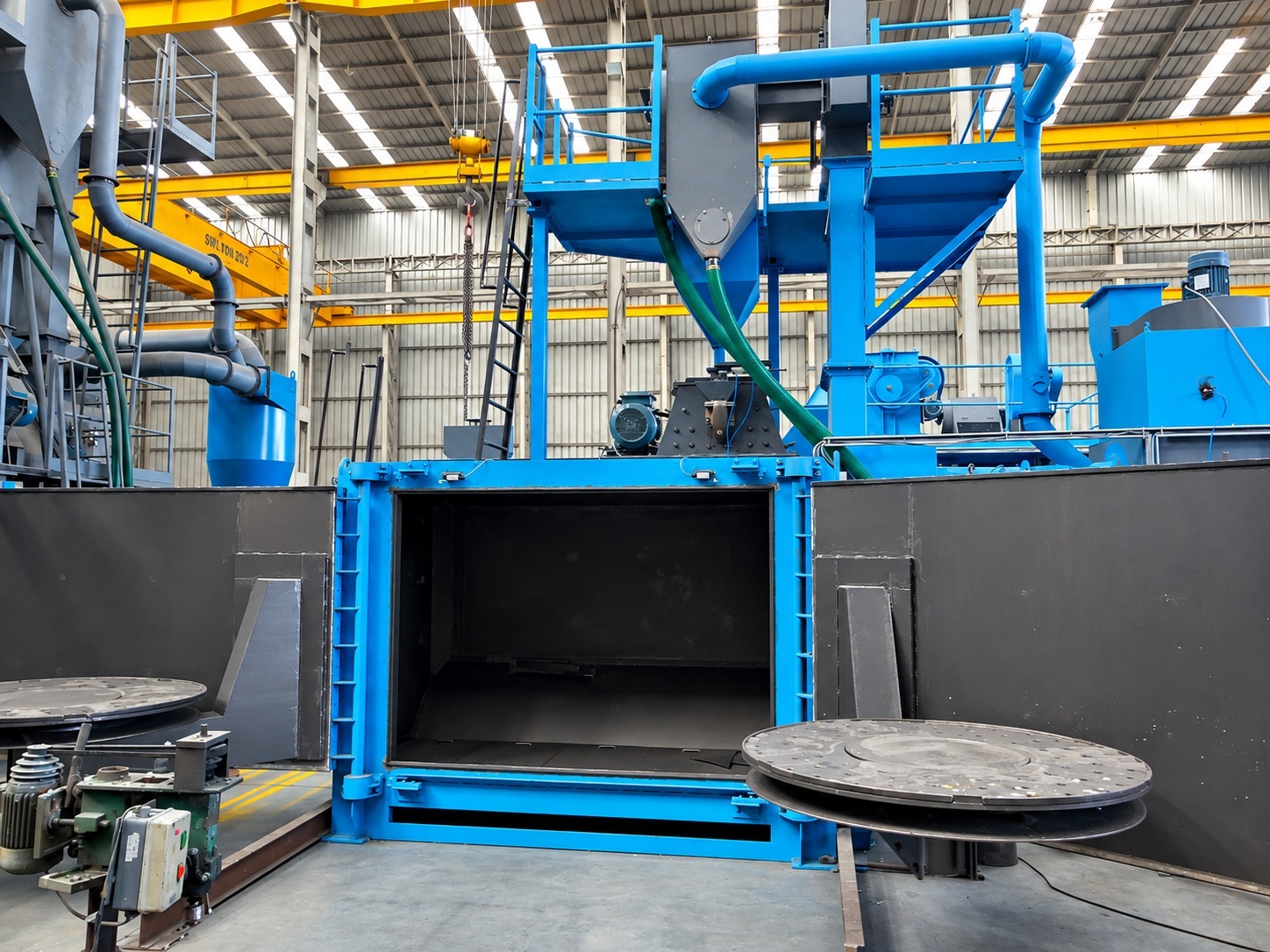
Table of Contents
- What is a Swing Table Type Shot Blasting Machine?
- How the Automatic Swing Table Type Shot Blasting Machine Works
- Key Features and Specifications of a Swing Table Type Shot Blasting Machine
- Applications Across Industries
- Benefits of Using a Swing Table Type Shot Blasting Machine
- Choosing the Right Swing Table Type Shot Blasting Machine Manufacturer in India
- Understanding Swing Table Type Shot Blasting Machine Price in India
- Common Mistakes to Avoid When Operating a Swing Table Type Shot Blasting Machine
- Practical Tips for Optimal Performance and Longevity
- Frequently Asked Questions (FAQ)
- Conclusion
What is a Swing Table Type Shot Blasting Machine?
A Swing Table Type Shot Blasting Machine is a specialized industrial equipment designed for cleaning, descaling, deburring, and surface finishing a wide range of components. It operates on the principle of projecting abrasive media, such as steel shots or grits, at high velocity onto the surface of workpieces. The “swing table” aspect refers to its unique design where components are loaded onto a rotating table that swings into the blasting zone, exposing all surfaces to the abrasive stream. This design is particularly effective for treating complex, fragile, or irregularly shaped parts that might be difficult to process in continuous pass-through systems.
Unlike manual sand blasting methods, the swing table type shot blasting machine offers a controlled, automated, and environmentally friendly process. It’s enclosed, which minimizes dust and noise, and allows for the recycling of abrasive media, significantly reducing operational costs and waste. These machines are engineered for heavy-duty industrial applications, providing consistent and uniform surface preparation crucial for subsequent painting, coating, plating, or heat treatment processes. Their robust construction ensures durability and reliability even under continuous operation in demanding industrial environments.
The primary function of this machine is to enhance the surface quality of metal parts, improving their fatigue life, increasing adhesion properties for coatings, and providing a clean, aesthetic finish. Its versatility makes it a cornerstone in many manufacturing and reconditioning facilities. From small castings to large fabricated structures, the swing table type shot blasting machine provides an efficient solution for achieving high-quality surface finishes consistently.
How the Automatic Swing Table Type Shot Blasting Machine Works
The operational sequence of an Automatic Swing Table Type Shot Blasting Machine is a well-orchestrated process designed for efficiency and consistency. Understanding this mechanism helps in appreciating its value in modern manufacturing.
The cycle typically begins with the loading of workpieces onto the rotating swing table, which is situated outside the blasting chamber. Once loaded and secured, the operator initiates the blasting cycle. The table then pivots or “swings” into the sealed blast chamber. This sealed environment is critical for containing the abrasive media and dust.
Inside the chamber, one or more strategically positioned blast wheels are activated. These wheels are equipped with blades that, as they rotate at high speeds, centrifugally hurl the abrasive media towards the workpieces on the rotating table. The continuous rotation of the table ensures that all surfaces of the parts are exposed to the abrasive stream, leading to uniform cleaning and surface profiling.
As the abrasive impacts the workpiece, it removes contaminants like rust, scale, old paint, and burrs. The spent abrasive, along with the removed contaminants, falls through a perforated floor in the blasting chamber. From there, it enters an abrasive recovery system, which typically includes a screw conveyor, bucket elevator, air wash separator, and storage hopper. The separator removes dust and fines, allowing only clean, reusable abrasive to be returned to the blast wheels, ensuring optimal blasting performance and minimizing abrasive consumption.
After the programmed blasting cycle is complete, the blast wheels shut off, and the swing table automatically pivots back out of the chamber. The cleaned components are then ready for unloading, and a new batch can be loaded for processing. The entire process is automated, controlled by a PLC system, which ensures precise timing, consistent results, and enhanced safety for operators.
Key Features and Specifications of a Swing Table Type Shot Blasting Machine
When investing in a Swing Table Type Shot Blasting Machine, understanding its features and specifications is crucial for matching the machine to specific industrial needs. These machines are engineered with robust components and advanced functionalities to deliver superior surface preparation.
- Robust Construction: Typically built with heavy-duty steel plate, often lined with wear-resistant manganese steel or rubber liners in the blasting zone to withstand the impact of abrasive media and ensure a long operational life.
- High-Efficiency Blast Wheels: Equipped with multiple high-performance blast wheels, strategically positioned to provide comprehensive coverage of workpieces. These wheels are designed for maximum abrasive acceleration and efficiency, often featuring easily replaceable blades and components.
- Swing Table Design: The core feature, allowing easy loading and unloading outside the blast chamber, and ensuring thorough exposure of all part surfaces during blasting through its rotation and oscillation. Table diameters vary significantly, from smaller models for delicate parts to large tables accommodating heavy and bulky components.
- Abrasive Reclamation System: An integrated, multi-stage system featuring a magnetic separator (optional), screw conveyor, bucket elevator, and an air wash separator to efficiently clean and recycle abrasive media. This reduces abrasive consumption and operating costs.
- Dust Collection System: A powerful dust collector, integrated or standalone, ensures a clean working environment by continuously extracting dust and fines from the blasting chamber and abrasive separator. This improves visibility, air quality, and machine longevity.
- PLC Control System: Modern machines come with advanced PLC (Programmable Logic Controller) systems for precise control over blasting parameters, cycle times, table rotation speed, and system diagnostics, ensuring consistent results and ease of operation.
- Safety Features: Incorporates various safety interlocks, emergency stop buttons, and protective enclosures to ensure operator safety during loading, unloading, and operation.
- Load Capacity: The maximum weight and size of components that can be placed on the swing table vary by model, ranging from a few hundred kilograms to several tons.
- Power Requirements: Varies depending on the number and size of blast wheels, motor powers for conveyors, elevators, and dust collectors.
- Abrasive Media Compatibility: Designed to work with various types of metallic abrasives such as steel shot, steel grit, and cut wire shot, allowing flexibility based on the desired surface finish.
- Maintenance Access: Designed with easy access points for routine maintenance and component replacement, minimizing downtime.
Understanding these aspects is vital when evaluating different Swing Table Type Shot Blasting Machine options, ensuring the chosen equipment aligns perfectly with production demands and quality standards.
Applications Across Industries
The versatility and efficiency of the Swing Table Type Shot Blasting Machine make it indispensable across a multitude of industries where surface preparation is critical. Its ability to handle a wide array of component sizes and shapes, combined with consistent results, positions it as a preferred choice for various applications.
- Foundries: One of the primary users, foundries utilize these machines for descaling and decoring castings (iron, steel, aluminum, and non-ferrous alloys). It effectively removes sand, core residues, and scale, preparing castings for machining or finishing.
- Automotive Industry: Used for cleaning engine blocks, cylinder heads, crankshafts, connecting rods, suspension parts, and other components, ensuring optimal surface texture for subsequent assembly or coating processes.
- Forging Industry: Forged parts often have heavy scale and oxidation. The swing table shot blasting machine efficiently removes these contaminants, preparing parts for heat treatment, machining, or final finishing.
- Fabrication Shops: Ideal for cleaning fabricated steel structures, weldments, pipes, and plates before painting, galvanizing, or other protective coating applications, ensuring strong adhesion.
- Aerospace Industry: While often requiring specialized media, these machines can be adapted for peening critical aerospace components to improve fatigue life and stress corrosion resistance.
- Heat Treatment Facilities: Components emerging from heat treatment processes often have scale. Shot blasting effectively removes this scale, making parts ready for further processing or inspection.
- Shipbuilding and Marine: Used for surface preparation of marine components, valves, and smaller structural elements, providing a clean surface ready for marine-grade coatings to prevent corrosion.
- Railway Industry: Cleaning of bogies, wheels, and various railway components to remove rust and old paint, preparing them for refurbishment or recoating.
- General Engineering: A broad category where the machine is used for deburring, descaling, and cleaning of various machined and manufactured components to improve surface finish and quality.
In essence, any industry requiring precise, consistent, and high-quality surface preparation for metal components can benefit significantly from integrating a Swing Table Type Shot Blasting Machine into its production line.
Benefits of Using a Swing Table Type Shot Blasting Machine
Implementing a Swing Table Type Shot Blasting Machine into an industrial workflow offers a wealth of advantages that go beyond simple surface cleaning. These benefits contribute significantly to overall product quality, operational efficiency, and cost-effectiveness.
- Superior Surface Preparation: The primary benefit is its ability to create an optimally clean and roughened surface profile. This mechanical bonding surface significantly enhances the adhesion of subsequent coatings, paints, or plating, leading to longer-lasting finishes and improved product durability.
- Consistency and Uniformity: Automated operation ensures consistent and uniform blasting across all surfaces of the workpiece. This eliminates the variability associated with manual processes, leading to predictable and high-quality results every time, which is critical for meeting stringent industry standards.
- Increased Production Efficiency: These machines can process multiple parts simultaneously or large, complex parts in a single cycle. The automated loading/unloading (with some models) and short cycle times significantly boost throughput compared to manual blasting or other less efficient methods.
- Cost Savings:
- Reduced Labor Costs: Automation minimizes the need for manual intervention.
- Abrasive Recycling: Integrated reclamation systems ensure that abrasive media is cleaned and reused multiple times, drastically cutting abrasive consumption.
- Energy Efficiency: Modern blast wheels and motors are designed for energy optimization.
- Reduced Rework: Consistent quality reduces the need for re-processing parts.
- Improved Product Quality and Lifespan: Shot blasting can induce compressive residual stress on the surface of components, which helps to improve fatigue strength and resistance to stress corrosion cracking, thereby extending the lifespan of the treated parts.
- Environmental and Safety Benefits: Enclosed blasting systems, coupled with efficient dust collectors, significantly reduce airborne dust and noise levels, creating a safer and healthier working environment for operators. The controlled environment also prevents the release of contaminants into the atmosphere.
- Versatility: Capable of handling a wide variety of materials, sizes, and shapes, from small, intricate castings to large, heavy fabrications, simply by adjusting blasting parameters and abrasive media.
- Reduced Maintenance for Downstream Equipment: By thoroughly cleaning parts, the swing table shot blaster prevents abrasive dust and contaminants from entering and damaging downstream machining or assembly equipment.
Investing in a high-quality Swing Table Type Shot Blasting Machine is therefore a strategic decision that delivers substantial returns through enhanced product quality, efficiency, and operational savings.
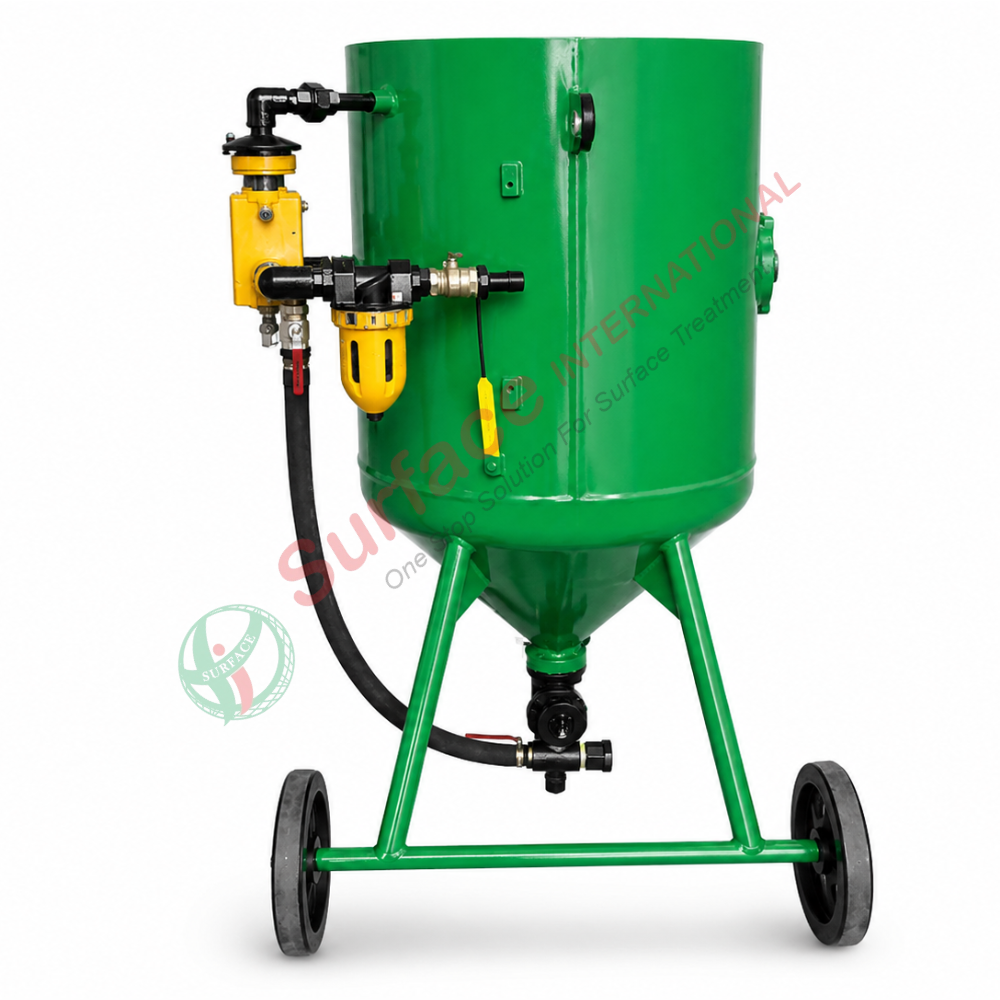
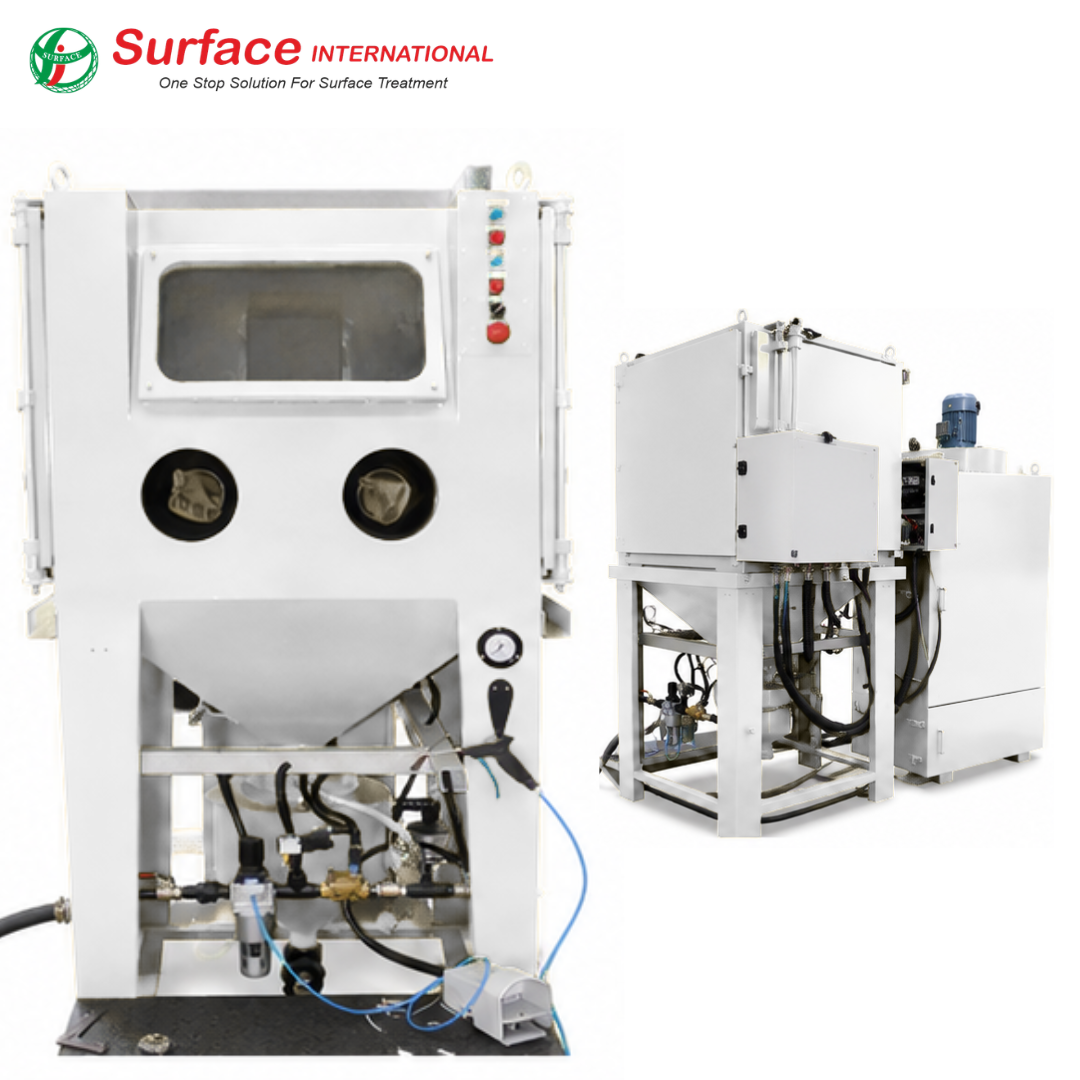
Explore Our Sand Blasting Machines
Explore our industrial blasting and surface preparation machines.
 01
 02
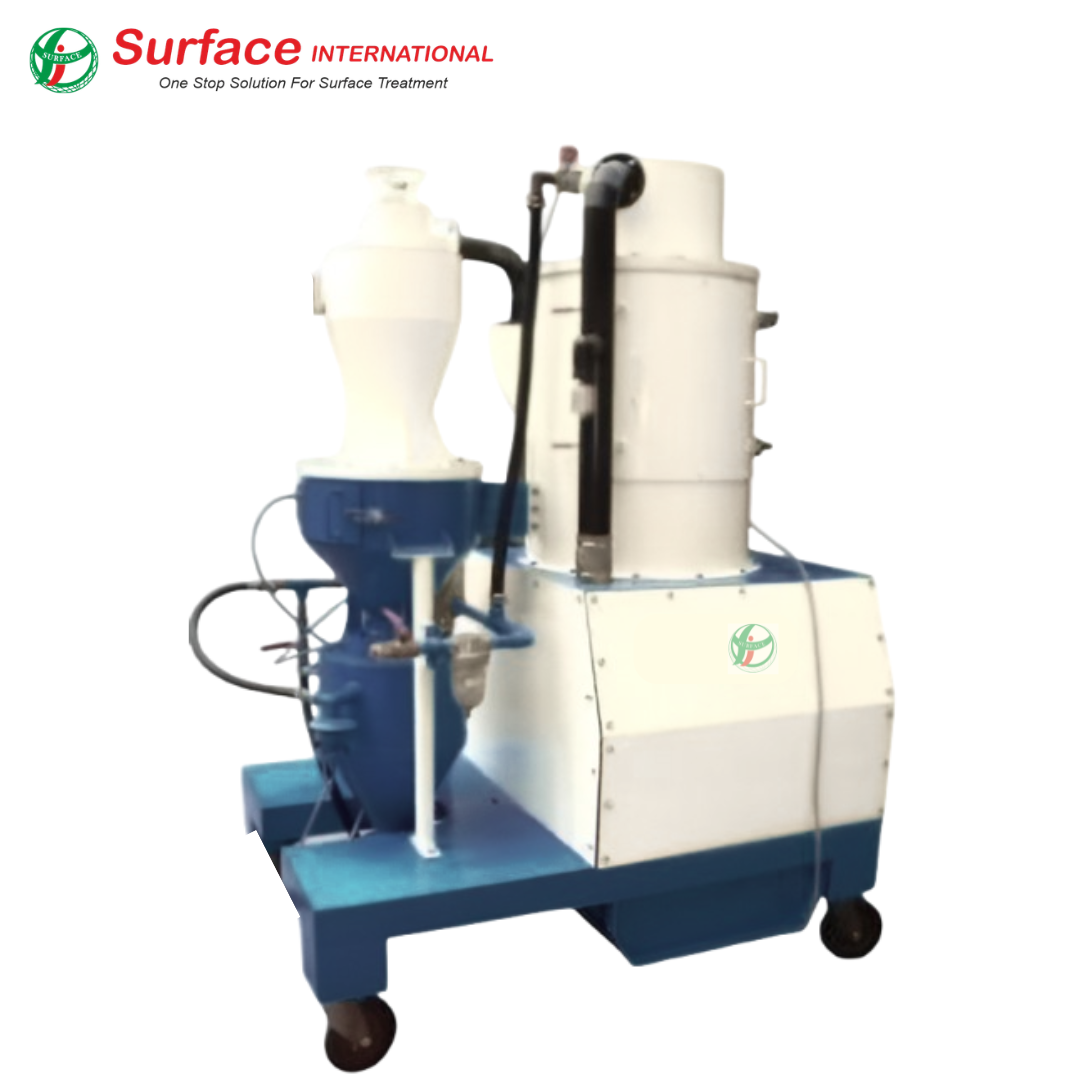 03
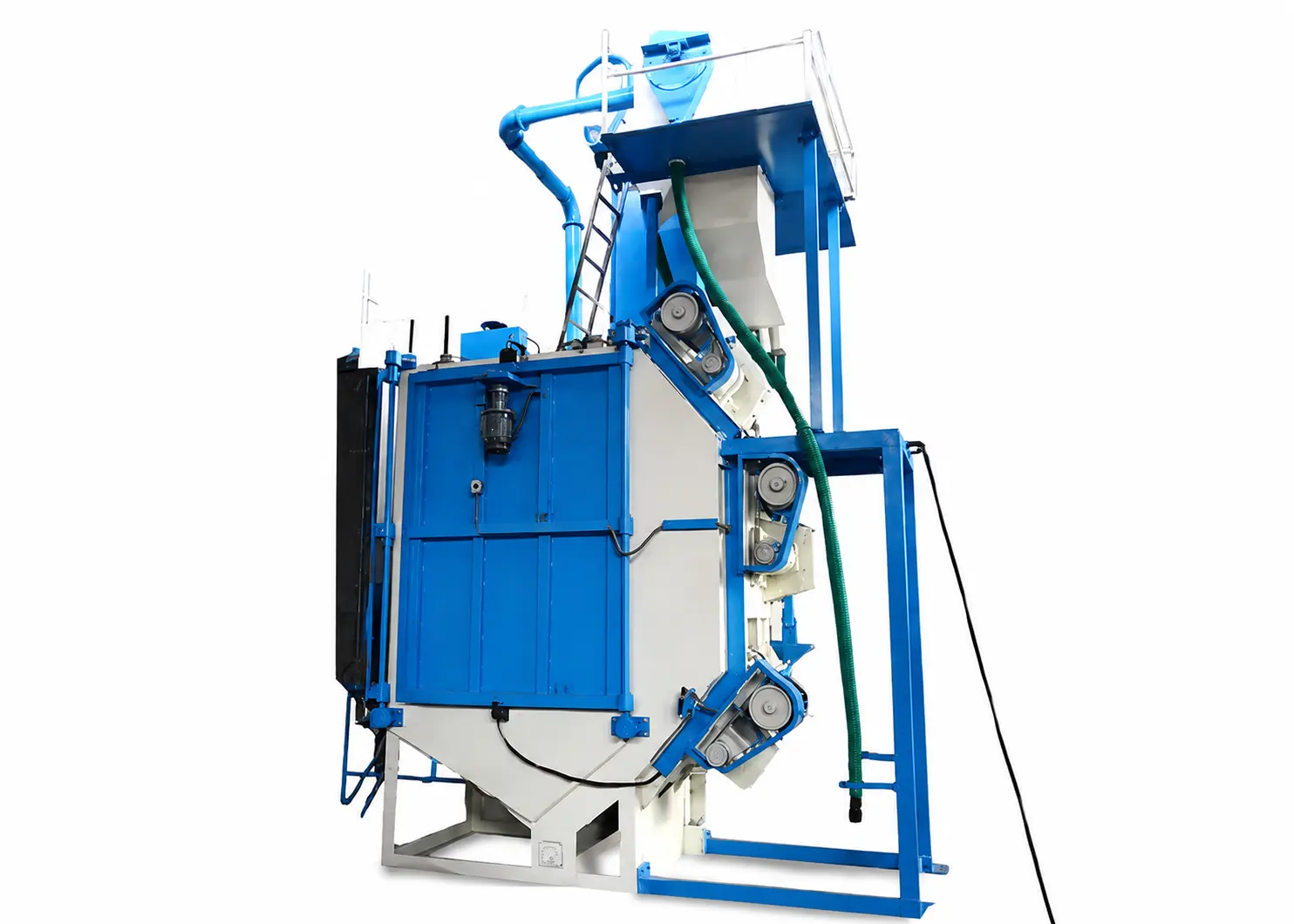 04
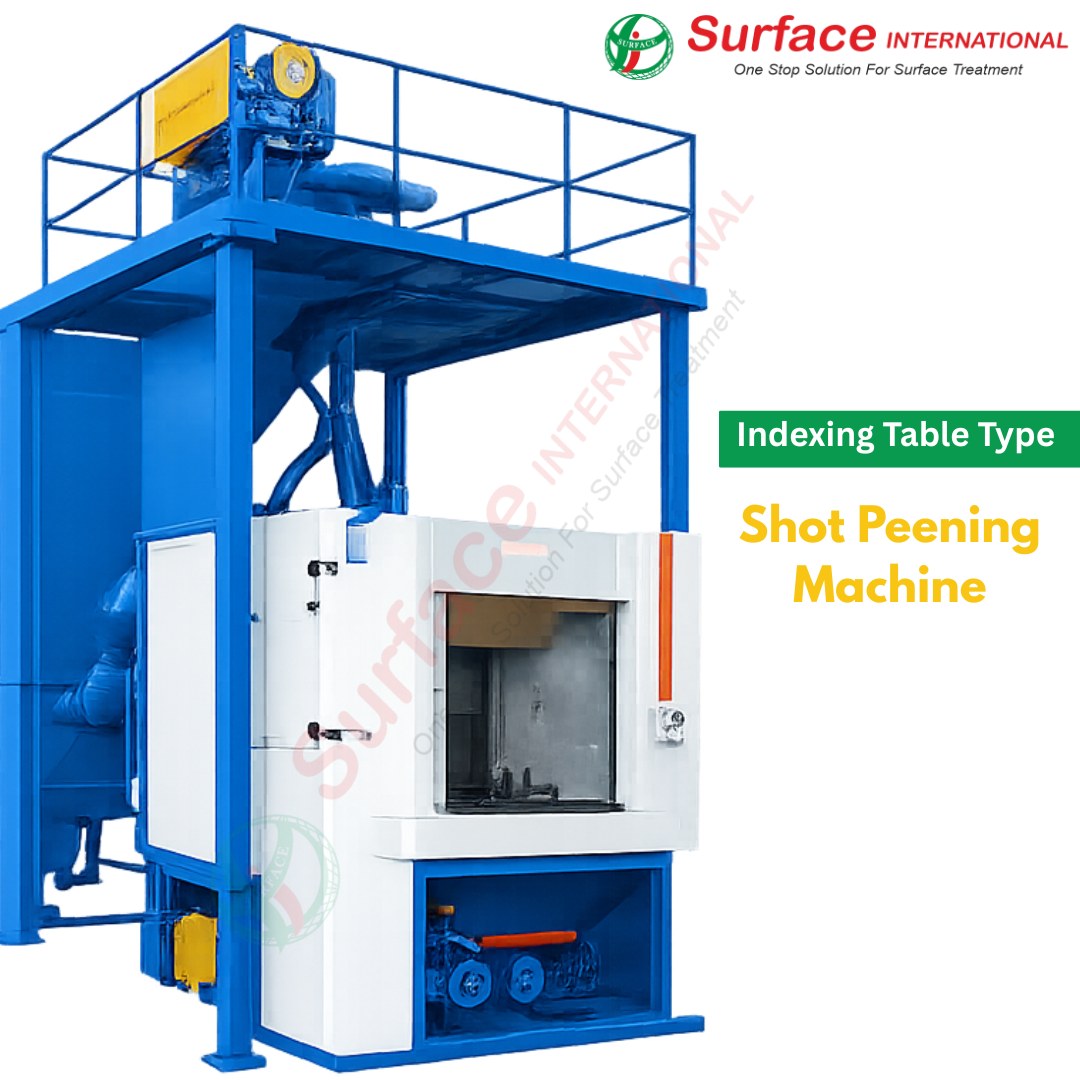 05
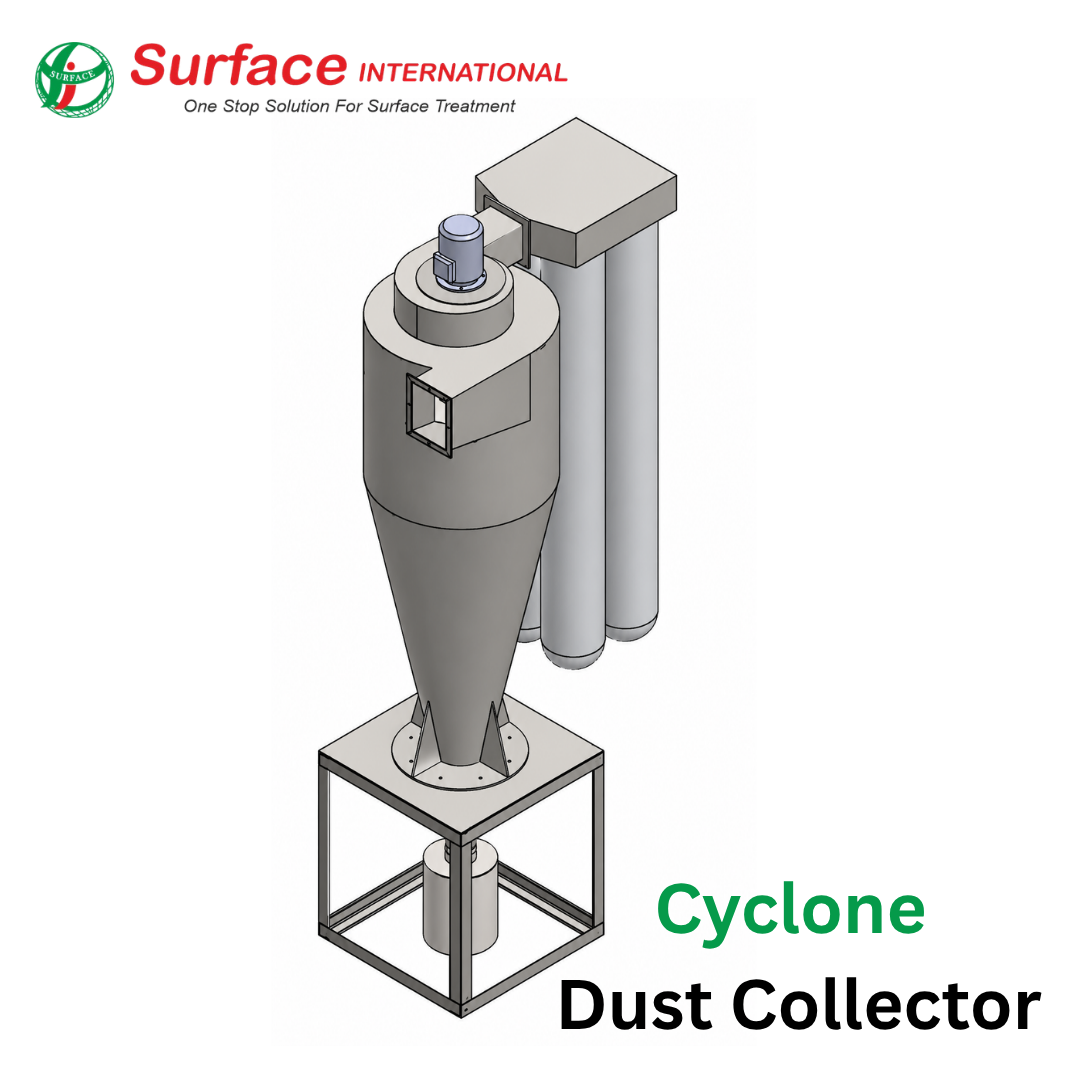 06
 07
 08
Choosing the Right Swing Table Type Shot Blasting Machine Manufacturer in India
Selecting the appropriate Swing Table Type Shot Blasting Machine Manufacturer in India is a critical decision that impacts not only the initial investment but also the long-term operational efficiency and reliability of your surface preparation processes. The Indian market boasts several manufacturers, but discerning the best fit requires careful consideration of several factors.
Firstly, prioritize manufacturers with a strong reputation for quality and reliability. Look for companies that have extensive experience in designing and fabricating industrial shot blasting equipment. A manufacturer’s longevity in the market often correlates with their expertise and ability to produce robust, high-performance machines. For example, a company like Surface International has established itself as a reputable Swing Table Type Shot Blasting Machine provider, known for its commitment to engineering excellence and customer satisfaction.
Secondly, assess the technical capabilities and customization options offered. Does the manufacturer provide standard models that fit your requirements, or can they offer bespoke solutions tailored to your specific workpiece dimensions, production volume, and desired surface finish? A good manufacturer will offer flexibility in terms of table size, number of blast wheels, abrasive reclamation systems, and automation levels.
Thirdly, consider after-sales support and service. Even the most robust machines require periodic maintenance and occasional spare parts. A manufacturer with a strong service network, readily available spare parts, and responsive technical support can minimize downtime and maximize the lifespan of your investment. Inquire about warranty periods, installation assistance, operator training, and annual maintenance contracts.
Fourthly, evaluate the technology and features integrated into their machines. Are they using modern, energy-efficient blast wheels? Do they incorporate advanced PLC controls for precision and ease of operation? Does their dust collection system meet current environmental standards? Innovation in design can lead to significant operational savings and improved performance.
Finally, compare the Swing Table Type Shot Blasting Machine Price in India offered by different manufacturers against the features and services provided. While cost is a factor, it should not be the sole determinant. A slightly higher initial investment in a superior quality machine with excellent support can result in lower total cost of ownership over its operational life due to reduced maintenance, higher efficiency, and consistent performance.
By thoroughly evaluating these aspects, you can ensure that you partner with a manufacturer who not only supplies a high-quality machine but also provides comprehensive support, ultimately contributing to your operational success.
Understanding Swing Table Type Shot Blasting Machine Price in India
The Swing Table Type Shot Blasting Machine Price in India can vary significantly, influenced by a multitude of factors. It’s not a one-size-fits-all cost, and understanding these determinants is crucial for budgeting and making an informed purchasing decision. The price range can span from several lakhs to well over a crore rupees, depending on the machine’s specifications and features.
One of the primary factors is the size and capacity of the machine. Larger swing tables capable of handling heavier and bulkier workpieces, or those designed for high-volume production, will naturally command a higher price. The diameter of the table, the maximum load capacity, and the dimensions of the blast chamber all contribute to the material and manufacturing costs.
The number and power of blast wheels also play a significant role. Machines with more blast wheels or higher horsepower motors for each wheel will be more expensive but offer faster and more comprehensive blasting. The type and quality of the blast wheels (e.g., direct drive vs. belt drive, material composition) also influence the cost.
Automation level and control systems are another key differentiator. Basic models might have manual controls, while advanced automatic swing table type shot blasting machines feature sophisticated PLC systems, touchscreens, and recipe management for different parts. These features enhance precision, ease of use, and integration into automated production lines but add to the overall price.
The quality of components and construction materials directly impacts both the price and the lifespan of the machine. High-grade wear-resistant liners (like manganese steel or rubber), robust motors, and superior build quality for the cabinet and abrasive handling system contribute to a higher initial investment but reduce long-term maintenance costs and increase reliability.
Abrasive reclamation and dust collection systems also influence the price. More efficient and larger capacity reclamation systems, perhaps with magnetic separators, or advanced dust collectors with pulse-jet cleaning, will increase the cost but offer better performance, lower running costs (due to abrasive recycling), and a cleaner working environment.
Additional features and customization, such as special loading/unloading mechanisms, safety interlocks, soundproofing, specialized fixtures, or integration with existing production lines, will also add to the final price. Furthermore, the reputation and service package of the manufacturer, including installation, training, and warranty, are factored into the overall cost. For accurate pricing, it’s always best to obtain detailed quotations from multiple reputable Swing Table Shot Blasting Machine Manufacturers based on your specific requirements.
Common Mistakes to Avoid When Operating a Swing Table Type Shot Blasting Machine
While a Swing Table Type Shot Blasting Machine is designed for robust and reliable operation, certain common mistakes can lead to reduced efficiency, increased wear, inconsistent results, and even safety hazards. Avoiding these pitfalls is crucial for maximizing your investment.
- Improper Abrasive Selection: Using the wrong type, size, or hardness of abrasive media for the job. An abrasive that’s too soft won’t clean effectively, while one that’s too hard or large can damage delicate parts or cause excessive wear on machine components. Always match the abrasive to the material, desired finish, and part geometry.
- Overloading or Underloading the Table: Overloading can prevent thorough cleaning of all surfaces, leading to inconsistent results and potential damage to the machine if parts shift. Underloading, on the other hand, wastes energy and abrasive media for the production output. Proper loading ensures optimal coverage and efficiency.
- Neglecting Abrasive Maintenance: Failing to regularly clean and replenish the abrasive media is a common error. Dust, fines, and contaminants accumulate in the media, reducing its effectiveness and increasing machine wear. Regular use of the abrasive separator and timely addition of fresh abrasive are essential.
- Inadequate Dust Collector Maintenance: A clogged or poorly maintained dust collector reduces air flow, leading to poor visibility inside the chamber, dust escaping into the environment, and inefficient operation of the air wash separator. Regular filter cleaning/replacement and proper maintenance of the dust collector are vital.
- Skipping Routine Machine Maintenance: Ignoring the manufacturer’s recommended maintenance schedule, including lubrication of bearings, inspection of blast wheel components (blades, control cage, impeller), and checking conveyor belts, can lead to premature component failure, costly downtime, and unsafe operating conditions.
- Incorrect Blasting Parameters: Operating with incorrect blast wheel speed, abrasive flow rate, or cycle time for the specific workpiece can lead to suboptimal results – either under-blasting or over-blasting, which can damage parts or waste resources. Proper setting based on experience or manufacturer guidelines is key.
- Lack of Operator Training: Untrained operators may not understand the machine’s functions, safety protocols, or troubleshooting basics. Comprehensive training ensures safe and efficient operation, minimizing errors and maximizing productivity.
- Ignoring Wear Parts: Blast wheel components (blades, control cages, impellers), liners, and seals are wear parts designed to be replaced. Delaying their replacement when they show significant wear can lead to decreased blasting efficiency, damage to other components, and safety risks.
By being vigilant about these common mistakes, operators and supervisors can ensure their Swing Table Type Shot Blasting Machine operates at peak performance, safely and efficiently.
Practical Tips for Optimal Performance and Longevity
Maximizing the performance and extending the lifespan of your Swing Table Type Shot Blasting Machine involves adopting a proactive approach to operation and maintenance. Here are some practical tips to ensure your machine consistently delivers high-quality results and remains a reliable asset for years.
- Regular Inspection of Wear Parts: Establish a routine schedule for inspecting blast wheel components (blades, control cage, impeller), cabinet liners, and seals. These parts are subject to intense abrasive wear. Replacing them before they fail completely prevents secondary damage to other components and maintains blasting efficiency.
- Maintain Abrasive Quality: Implement a strict regimen for maintaining the abrasive mix. Regularly check the abrasive for contamination (dust, fines, broken media) and replenish with fresh abrasive as needed. A good quality abrasive mix ensures consistent impact energy and efficient cleaning. The air wash separator should be checked and adjusted regularly.
- Optimal Loading Strategy: Develop and adhere to a consistent loading strategy for the swing table. Ensure parts are securely placed and spaced appropriately to allow full exposure to the abrasive stream without shielding other components. Document loading patterns for repetitive jobs.
- Calibrate Blasting Parameters: Periodically calibrate and adjust blasting parameters such as blast wheel speed, abrasive flow rate, and cycle time. These should be optimized for different part types and desired finishes. Keep a log of optimal settings for various jobs to ensure repeatability.
- Dust Collector Vigilance: The dust collector is vital for both air quality and abrasive separation. Regularly clean or replace dust collector filters. Ensure the fan and motor are operating correctly. A well-maintained dust collector extends abrasive life and machine component life by effectively removing fines.
- Lubrication Schedule: Follow the manufacturer’s lubrication guidelines precisely. Proper lubrication of bearings, motors, and other moving parts minimizes friction and wear, preventing premature failure and reducing power consumption.
- Operator Training and Empowerment: Invest in thorough and ongoing training for all machine operators. A well-trained operator understands the machine’s capabilities, safety protocols, maintenance requirements, and how to identify and troubleshoot minor issues, leading to more efficient and safer operations.
- Implement a Preventative Maintenance Program: Beyond routine inspections, establish a comprehensive preventative maintenance (PM) program. This includes scheduled shutdowns for deeper inspections, component replacements, and overhauls. This proactive approach prevents costly unexpected breakdowns and extends the machine’s service life. When looking for general guidance on maintaining industrial equipment, resources like Google Search documentation for maintenance guides can sometimes offer helpful frameworks, though always prioritize your equipment’s specific manual.
- Keep Spare Parts Stocked: Maintain a small inventory of critical wear parts and commonly replaced components. This minimizes downtime when a part unexpectedly fails, allowing for quick repairs and resumption of production.
By integrating these practical tips into your operational routine, you can ensure your Swing Table Type Shot Blasting Machine remains a high-performing and long-lasting asset in your industrial facility.
Frequently Asked Questions (FAQ)
What is the difference between shot blasting and sand blasting?
While both are abrasive blasting methods, the primary difference lies in the abrasive media used and the propulsion method. Shot blasting uses metallic abrasives (steel shot, steel grit) propelled by a centrifugal wheel, offering a more aggressive and controlled surface profile suitable for heavy industrial cleaning and peening. Sand blasting (now often referred to as abrasive blasting due to health concerns with silica sand) typically uses sand or other non-metallic abrasives propelled by compressed air, often used for lighter cleaning, etching, or creating a fine finish on various materials.
How often should I change the abrasive media in my Swing Table Type Shot Blasting Machine?
You don’t typically “change” all the abrasive at once. Instead, you continuously replenish it. The abrasive reclamation system cleans the media, but over time, it breaks down and becomes less effective. You should regularly add new abrasive to maintain the optimal operating mix. The frequency of adding new abrasive depends on the machine’s usage, the type of parts being blasted, and the efficiency of your abrasive separator. Regular checks of the abrasive mix’s particle size and cleanliness are recommended.
Can a Swing Table Type Shot Blasting Machine handle delicate parts?
Yes, these machines can be adapted for delicate parts. The key is to select the appropriate abrasive media (finer, softer shot), adjust the blast wheel speed (lower RPM), and control the blasting time. Some machines also offer variable table speeds and specific fixturing to ensure gentle yet effective cleaning without damaging the components. It’s crucial to test parameters on a sample part first.
What kind of maintenance is required for the blast wheels?
Blast wheels are critical wear components. Regular maintenance includes daily visual inspection of the wheel housing for wear, weekly checks of the impeller, control cage, and blades for wear and damage, and lubrication of bearings as per manufacturer guidelines. Blades and other components need to be replaced when they show significant wear to maintain blasting efficiency and prevent damage to the wheel itself.
What is the typical lifespan of a Swing Table Type Shot Blasting Machine?
With proper installation, regular maintenance, and correct operation, a high-quality Swing Table Type Shot Blasting Machine can have an operational lifespan of 15 to 25 years or even more. The wear parts will, of course, need periodic replacement, but the main structural components and motors are built to last. Adhering to the manufacturer’s maintenance schedule is paramount for longevity.
Is it possible to automate the loading and unloading process?
Yes, for higher production volumes, many Swing Table Type Shot Blasting Machines can be integrated with automated loading and unloading systems. This can include conveyors, robots, or manipulators that transfer parts onto and off the swing table, further enhancing efficiency and reducing manual labor. Such automation is often a custom solution tailored to specific production lines.
Conclusion
The Swing Table Type Shot Blasting Machine stands as an indispensable asset in modern industrial surface preparation. Its unique design, combining a rotating table with powerful blast wheels, offers unparalleled versatility and efficiency for cleaning, descaling, deburring, and surface profiling a diverse range of components. From enhancing adhesion for protective coatings to improving the fatigue life of critical parts, the benefits of this machine are profound, contributing significantly to product quality and operational cost savings.
Choosing the right machine, understanding its detailed specifications, and partnering with a reputable Swing Table Type Shot Blasting Machine Manufacturer in India are crucial steps. Furthermore, adopting best practices for operation and maintenance, including proper abrasive management, regular inspection of wear parts, and continuous operator training, will ensure the longevity and optimal performance of your investment. By embracing the capabilities of the automatic swing table type shot blasting machine, industries can achieve superior surface finishes, boost productivity, and maintain a competitive edge in today’s demanding manufacturing landscape.