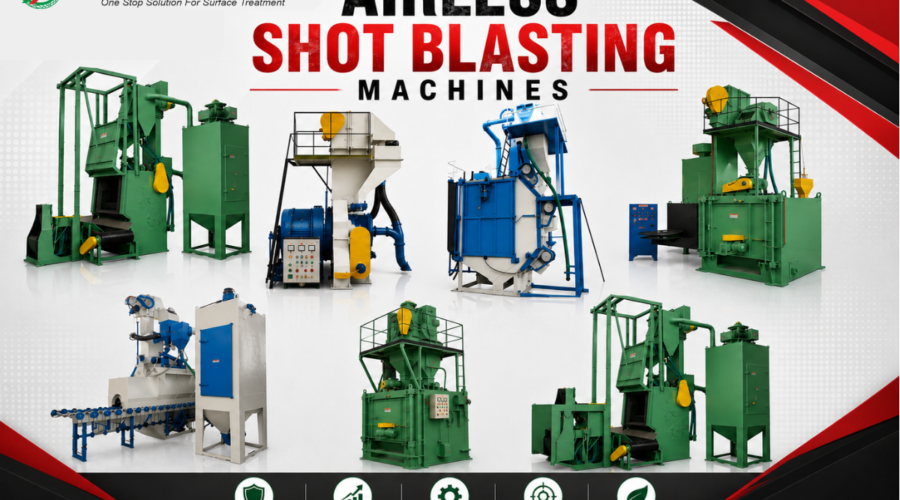
In the dynamic landscape of industrial cleaning, businesses are constantly seeking efficient, environmentally friendly, and non-abrasive solutions to maintain their equipment and facilities. Among the most innovative technologies to emerge, dry ice blasting stands out. This advanced cleaning method utilizes solid carbon dioxide pellets propelled at high speeds to remove contaminants without damaging the substrate or creating secondary waste. For Indian industries, understanding the nuances of investing in this technology, particularly the Dry Ice Blasting Machine Price in India, is crucial. This comprehensive guide delves into everything you need to know about dry ice blasting machines, from their operational principles to the factors influencing their cost and how to choose the best solution for your needs.
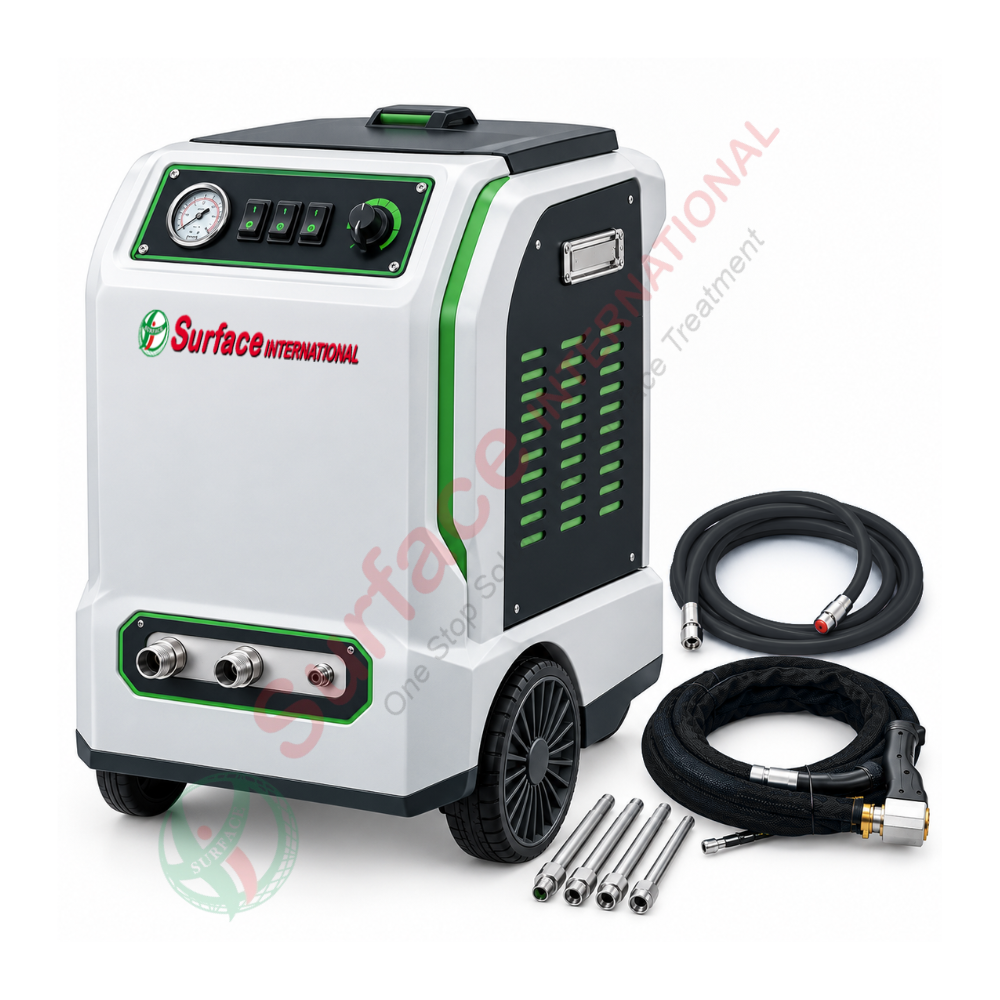
Dry ice blasting is revolutionizing how industries approach maintenance, offering a superior alternative to traditional cleaning methods like sandblasting, chemical cleaning, or manual scrubbing. Its ability to clean delicate machinery without disassembly, reduce downtime, and adhere to stringent environmental regulations makes a Dry Ice Blasting Machine an invaluable asset. Surface International, a prominent Dry Ice Blasting Machine manufacturer in India, is at the forefront, providing cutting-edge solutions tailored to diverse industrial requirements. This article will equip you with the knowledge to make an informed decision, ensuring your investment yields significant returns.
Table of Contents
- What is Dry Ice Blasting and How Does It Work?
- Why Choose Dry Ice Blasting for Industrial Cleaning?
- Factors Influencing Dry Ice Blasting Machine Price in India
- Leading Dry Ice Blasting Machine Manufacturers in India
- Types of Dry Ice Blasting Machines
- Versatile Applications of Dry Ice Blasting
- Understanding the Key Components of a Dry Ice Blasting System
- Comprehensive Benefits of Dry Ice Blasting
- Common Mistakes to Avoid When Using Dry Ice Blasting Machines
- Practical Tips for Effective Dry Ice Blasting
- Frequently Asked Questions About Dry Ice Blasting Machines
- Conclusion
What is Dry Ice Blasting and How Does It Work?
Dry ice blasting is a non-abrasive, non-conductive, and environmentally friendly cleaning method that uses recycled CO2 in the form of solid dry ice pellets. These pellets are accelerated through a pressurized air stream and impact the surface to be cleaned. Unlike traditional blasting methods that use abrasive media like sand or grit, dry ice sublimates upon impact, turning directly from solid to gas without leaving any secondary waste. This unique characteristic is what makes a Dry Ice Blasting Machine so appealing.
The cleaning process involves three key phenomena:
- Kinetic Energy: The high-velocity pellets impact the surface, dislodging contaminants.
- Thermal Shock: The extremely cold dry ice (-78.5°C or -109.3°F) causes the surface contaminants to embrittle and shrink, making them easier to remove.
- Sublimation Force: As the dry ice sublimates, it expands rapidly, creating a micro-explosion that lifts the contaminant off the substrate.
This combined action effectively removes dirt, grime, grease, paint, rust, and other unwanted residues from various surfaces without damaging the underlying material, making it ideal for delicate and intricate machinery. The absence of water or harsh chemicals means no drying time is required, and there’s no risk of corrosion or electrical damage.
Why Choose Dry Ice Blasting for Industrial Cleaning?
The adoption of dry ice blasting technology is rapidly growing across industries due to its numerous advantages over conventional cleaning methods. Businesses are recognizing that while the initial Dry Ice Blasting Machine Price in India might seem an investment, the long-term savings and operational efficiencies are substantial. Here’s why it’s becoming the preferred choice:
- Non-Abrasive: Unlike sandblasting or grit blasting, dry ice blasting does not wear down or etch the cleaned surface. It’s safe for sensitive machinery, molds, electrical components, and delicate historical artifacts.
- No Secondary Waste: Since dry ice sublimates, there’s no residue left behind from the cleaning media itself. This significantly reduces cleanup time and disposal costs, which is a major concern with other methods.
- Environmentally Friendly: Dry ice is made from recycled CO2, a byproduct of other industrial processes, making it a sustainable cleaning solution. It contains no hazardous air pollutants (HAPs).
- Reduces Downtime: Equipment can often be cleaned in place, while still hot, and without disassembly. This translates to vastly reduced production downtime, saving companies substantial revenue.
- Improved Safety: Eliminates exposure to harsh chemicals and manual scrubbing in tight spaces. It’s a non-toxic process, improving workplace safety.
- Non-Conductive: Safe for cleaning electrical components and live circuits without risking damage or shock.
- Effective Cleaning: Reaches intricate geometries and tight spaces that are otherwise difficult or impossible to clean.
Factors Influencing Dry Ice Blasting Machine Price in India
When considering the purchase of a Dry Ice Blasting Machine, one of the primary considerations is undoubtedly the cost. The Dry Ice Blasting Machine Price in India can vary significantly based on several crucial factors. Understanding these elements will help you align your budget with your operational needs and make a wise investment.
Here are the key factors:
- Machine Type and Capacity:
- Industrial vs. Commercial: Industrial-grade machines are built for heavy-duty, continuous operation and typically have higher dry ice consumption and air pressure requirements. Commercial machines are smaller, more portable, and suitable for less frequent or lighter cleaning tasks. Naturally, industrial models command a higher price.
- Pellet Blasters vs. Block Blasters: Most modern machines are pellet blasters, using small dry ice pellets. Some older or specialized systems might use dry ice blocks. Pellet blasters are more common and versatile.
- Features and Technology:
- Single-Hose vs. Dual-Hose Systems: Single-hose systems are generally more powerful and efficient for most applications. Dual-hose systems offer greater control for very delicate cleaning but might be less common.
- Automated Features: Advanced machines may include features like automatic hopper agitators, integrated air pressure regulators, digital controls, and specialized nozzle holders, all of which add to the cost.
- Built-in Dry Ice Production: Some high-end systems integrate dry ice pelletizers, reducing reliance on external dry ice suppliers, but significantly increasing the initial investment.
- Manufacturer and Brand Reputation:
- Reputable manufacturers like Surface International, known for quality, reliability, and excellent after-sales support, might have a higher upfront cost but often provide better long-term value. Established brands typically use superior components and offer robust warranties.
- Air Compressor Requirements:
- A dry ice blasting machine requires a substantial compressed air supply. The cost of a compatible, high-capacity industrial air compressor (often sold separately) can be a significant portion of the overall investment.
- Accessories and Nozzles:
- A range of nozzles (fan, straight, angled, custom designs) is essential for different cleaning applications. Specialized nozzles, extensions, and other accessories add to the total price.
- After-Sales Service and Support:
- The availability of spare parts, technical support, and service centers in India is crucial. Manufacturers offering comprehensive service packages might reflect this in their pricing, but it’s an invaluable aspect for machine longevity and performance.
- Import Duties and Taxes:
- If the machine is imported, import duties, customs charges, and local taxes will significantly impact the final Dry Ice Blasting Machine Price in India. Buying from a local manufacturer or authorized distributor can simplify this.
For a basic commercial-grade dry ice blasting machine, prices might start from around INR 7-10 lakhs, while high-end industrial models with advanced features and greater capacity could range upwards of INR 25-50 lakhs or more, not including the air compressor. It’s always advisable to get detailed quotes from multiple suppliers and consider the total cost of ownership rather than just the initial purchase price.
Leading Dry Ice Blasting Machine Manufacturers in India
The market for dry ice blasting technology in India is growing, with several manufacturers and suppliers catering to diverse industrial needs. Among them, Surface International stands out as a leading Dry Ice Blasting Machine manufacturer in India, renowned for its commitment to quality, innovation, and customer satisfaction.
Surface International offers a range of dry ice blasting solutions designed to meet the rigorous demands of various sectors. Their machines are known for their robust construction, efficiency, and reliability, providing superior cleaning performance for industries such as automotive, food & beverage, printing, aerospace, and more. When considering a Dry Ice Blasting Machine Price in India, evaluating the manufacturer’s reputation for engineering excellence, after-sales service, and local support is paramount. Choosing a trusted Indian manufacturer often ensures better access to spare parts, quicker service response times, and machines specifically engineered for local conditions and industrial standards.
Other reputable players might include distributors of international brands, but the advantage of a local manufacturer like Surface International lies in tailored solutions and direct access to expertise. When evaluating manufacturers, always look for:
- Certifications and quality standards.
- Client testimonials and case studies.
- After-sales service network and availability of spare parts.
- Technical expertise and training programs offered.
- Customization options for specific industrial needs.
Types of Dry Ice Blasting Machines
While the core principle of dry ice blasting remains consistent, there are different types of machines tailored for specific applications and operational scales. Understanding these variations can help you determine which Dry Ice Blasting Machine is best suited for your requirements.
- Pellet Blasting Machines: These are the most common type of dry ice blasting machines available today. They use small, rice-sized dry ice pellets (typically 3mm or 1/8 inch) fed from a hopper into a stream of compressed air. Pellet blasters are versatile and efficient for a wide range of industrial cleaning applications, offering a good balance of aggressive cleaning power and surface safety. Most manufacturers, including Surface International, primarily offer pellet blasters due to their broad applicability and ease of use.
- Block Blasting Machines (or Shaver Blasters): Less common now, these machines use large blocks of dry ice that are shaved or pulverized into smaller particles before being propelled. While they can offer very fine control for delicate surfaces, they are generally less efficient and more cumbersome to operate than pellet blasters. The supply chain for dry ice blocks can also be more challenging in some regions.
- MicroParticle Blasting Systems: These specialized systems are designed for extremely delicate cleaning tasks, using very fine dry ice particles. They are often employed in applications like semiconductor cleaning, electronics, or mold remediation where minimal impact and maximum precision are required. These machines are typically more expensive and have lower throughput than standard pellet blasters.
- Automated or Robotic Dry Ice Blasting Systems: For repetitive, high-volume cleaning tasks, or operations in hazardous environments, integrated robotic systems are used. These combine a dry ice blasting unit with robotic arms for precise, automated cleaning. Such systems represent a significant investment but offer unparalleled efficiency and consistency in specialized industrial settings.
For most industrial cleaning needs in India, a high-quality pellet blasting machine from a reputable Dry Ice Blasting Machine manufacturer in India will provide the best combination of performance, cost-effectiveness, and versatility.
Versatile Applications of Dry Ice Blasting
The versatility of a Dry Ice Blasting Machine is one of its greatest assets, allowing it to be effectively utilized across a multitude of industries. Its unique properties make it an ideal cleaning solution where traditional methods fall short or create additional problems. Here are some of the key sectors benefiting from this technology:
- Automotive Industry: Cleaning engine components, car interiors, paint booths, molds, and production lines. It efficiently removes grease, oil, carbon, and paint overspray without water or abrasive damage.
- Food & Beverage Industry: Critical for hygiene and sanitation. Used to clean baking ovens, conveyor belts, mixers, slicers, and packaging equipment, removing contaminants like grease, sugar, proteins, and allergens. It’s FDA-approved and eliminates the need for water or harsh chemicals that could contaminate food products.
- Printing Industry: Cleaning printing presses, rollers, anilox rolls, and ink trays. It removes ink, paper dust, and debris, ensuring consistent print quality and extending equipment life.
- Rubber & Plastics Manufacturing: Cleaning molds for tires, plastic parts, and other molded products. It removes residue build-up, ensuring product quality and significantly reducing mold cleaning time and effort.
- Aerospace Industry: Cleaning delicate aircraft components, composites, landing gear, and engine parts. Its non-abrasive nature is crucial for maintaining the integrity of sensitive materials.
- Power Generation: Cleaning turbines, generators, insulators, and electrical panels. As it’s non-conductive and dry, it’s safe for live electrical equipment, improving efficiency and reducing outage times.
- Foundries: Cleaning core boxes, molds, and permanent mold tooling, removing sand, resins, and release agents.
- General Manufacturing: Cleaning production lines, machinery, welding equipment, and surface preparation before coating or painting.
- Historical Restoration: Gently cleaning sensitive surfaces on monuments, sculptures, and historical buildings without damage.
- Fire and Smoke Remediation: Effectively removing soot and smoke residue from structural elements, without using water, which can further damage fire-affected materials.
The ability of a Dry Ice Sand Blaster to provide a thorough yet gentle clean, coupled with its eco-friendly credentials, makes it an indispensable tool for maintaining operational excellence and compliance across these diverse sectors.
Understanding the Key Components of a Dry Ice Blasting System
A complete dry ice blasting system consists of several crucial components that work in tandem to deliver effective cleaning. When considering the Dry Ice Blasting Machine Price in India, it’s important to account for all these elements, as some may be sold separately or require specific specifications.
- Dry Ice Blaster Unit:
- This is the core of the system. It houses a hopper for dry ice pellets, a feeding mechanism (e.g., rotating feeder wheel or auger), and controls for regulating dry ice flow.
- It’s where the dry ice is introduced into the high-velocity air stream.
- Modern units often feature advanced controls for pressure regulation, dry ice feed rate, and safety interlocks.
- Air Compressor:
- A powerful industrial air compressor is absolutely essential. Dry ice blasting requires a consistent supply of high-volume (CFM/m³/min) and high-pressure (PSI/bar) compressed air.
- Typically, compressors ranging from 150 CFM to 350 CFM at 100-250 PSI are needed, depending on the blaster unit’s requirements.
- The compressor must also be equipped with an aftercooler and moisture separator to ensure the air is dry, preventing clumping of dry ice and machine damage.
- Blasting Hose:
- A heavy-duty, abrasion-resistant hose connects the blaster unit to the nozzle. It must be designed to withstand high pressure and the abrasive nature of dry ice pellets.
- Nozzle:
- Nozzles are critical for directing and shaping the dry ice stream. Various types are available, including fan nozzles for broad coverage, straight nozzles for aggressive cleaning, and angled nozzles for reaching difficult areas.
- The choice of nozzle significantly impacts cleaning efficiency and precision.
- Dry Ice Supply:
- This refers to the dry ice pellets themselves. They need to be stored in insulated containers to prevent sublimation.
- The quality and size of dry ice pellets can impact cleaning performance.
- Reliable access to a dry ice supplier is a key operational consideration.
- Personal Protective Equipment (PPE):
- While not part of the machine itself, essential PPE includes hearing protection, eye protection (full-face shield), gloves (cryogenic or insulated), and respiratory protection, especially in enclosed spaces or with certain contaminants.
When purchasing a Dry Ice Blasting Machine, always clarify which components are included in the price and which need to be sourced separately to get a complete picture of the investment.
Comprehensive Benefits of Dry Ice Blasting
The decision to invest in a dry ice blasting system, and understanding the Dry Ice Blasting Machine Price in India, often comes down to the tangible benefits it brings to industrial operations. These advantages extend beyond mere cleaning, impacting productivity, safety, and environmental responsibility.
- Superior Cleaning Results: Delivers a deeper, more thorough clean than many traditional methods, even in intricate geometries, restoring equipment to near-new condition.
- Increased Equipment Lifespan: Non-abrasive nature means no wear and tear on sensitive machinery parts, extending the operational life of valuable assets. This reduces the need for premature replacements and capital expenditure.
- Reduced Downtime: Cleaning can often occur in-situ, without significant disassembly or cooling down, drastically cutting production downtime and increasing operational uptime.
- Elimination of Secondary Waste: Dry ice sublimes on impact, leaving only the dislodged contaminant to be collected. This eliminates the cost and effort associated with disposing of blasting media (like sand, grit, or chemical residues).
- Environmentally Friendly: Uses recycled CO2 and eliminates the need for harsh chemicals or large quantities of water, reducing environmental impact and promoting sustainable practices.
- Enhanced Worker Safety: Removes the need for manual scrubbing with hazardous chemicals, minimizing exposure to toxic substances and reducing ergonomic risks. It’s a non-flammable and non-conductive process.
- Improved Product Quality: In industries like food processing or manufacturing, a consistently clean environment leads to higher product quality and reduces rejection rates. For mold cleaning, it ensures consistent part quality and reduces defects.
- Non-Abrasive and Non-Corrosive: Safe for use on delicate electrical components, polished surfaces, plastics, and precision machinery without causing pitting, etching, or rust.
- Water-Free Cleaning: Ideal for water-sensitive equipment, electrical panels, and environments where moisture ingress is a concern. Eliminates the need for drying time.
- Compliance with Regulations: Helps industries meet stringent environmental, health, and safety regulations, particularly in sectors like food and pharmaceuticals.
These multifaceted benefits contribute to a strong return on investment for companies that embrace dry ice blasting technology, making the initial Dry Ice Blasting Machine Price in India a strategic long-term gain.
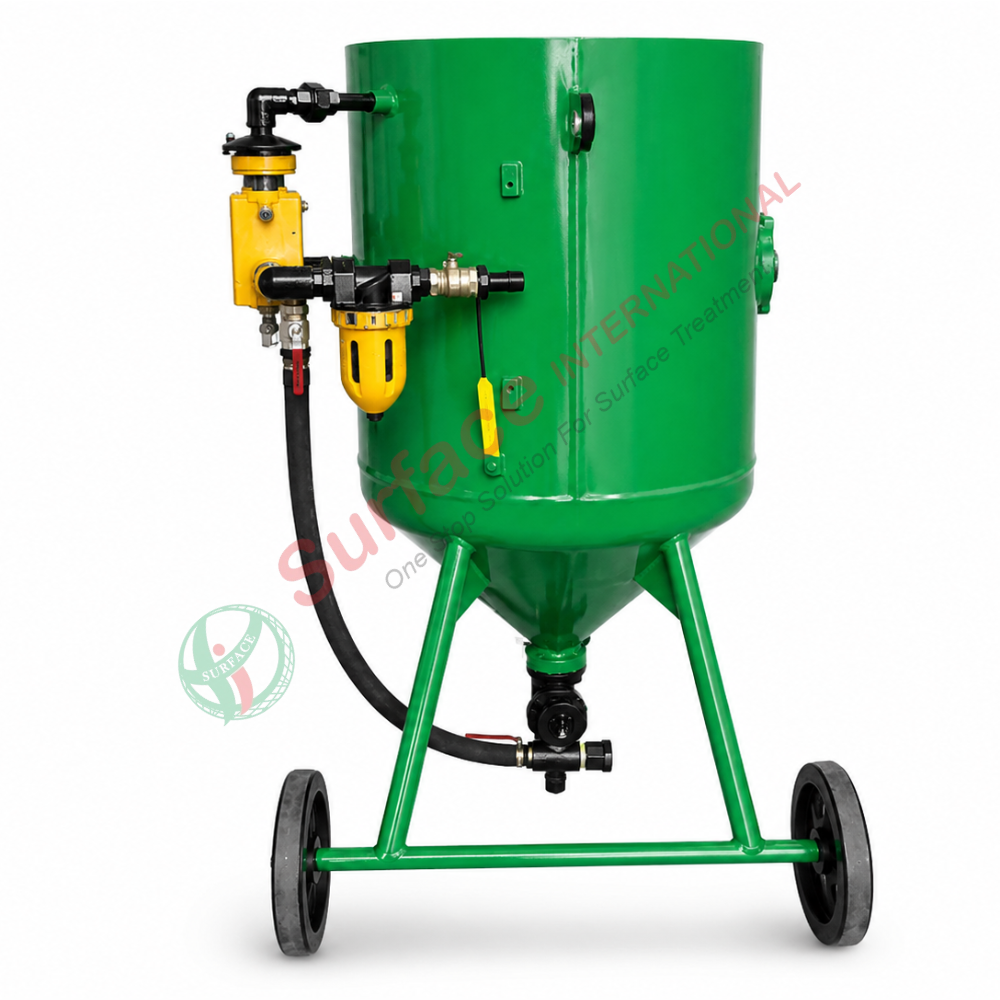
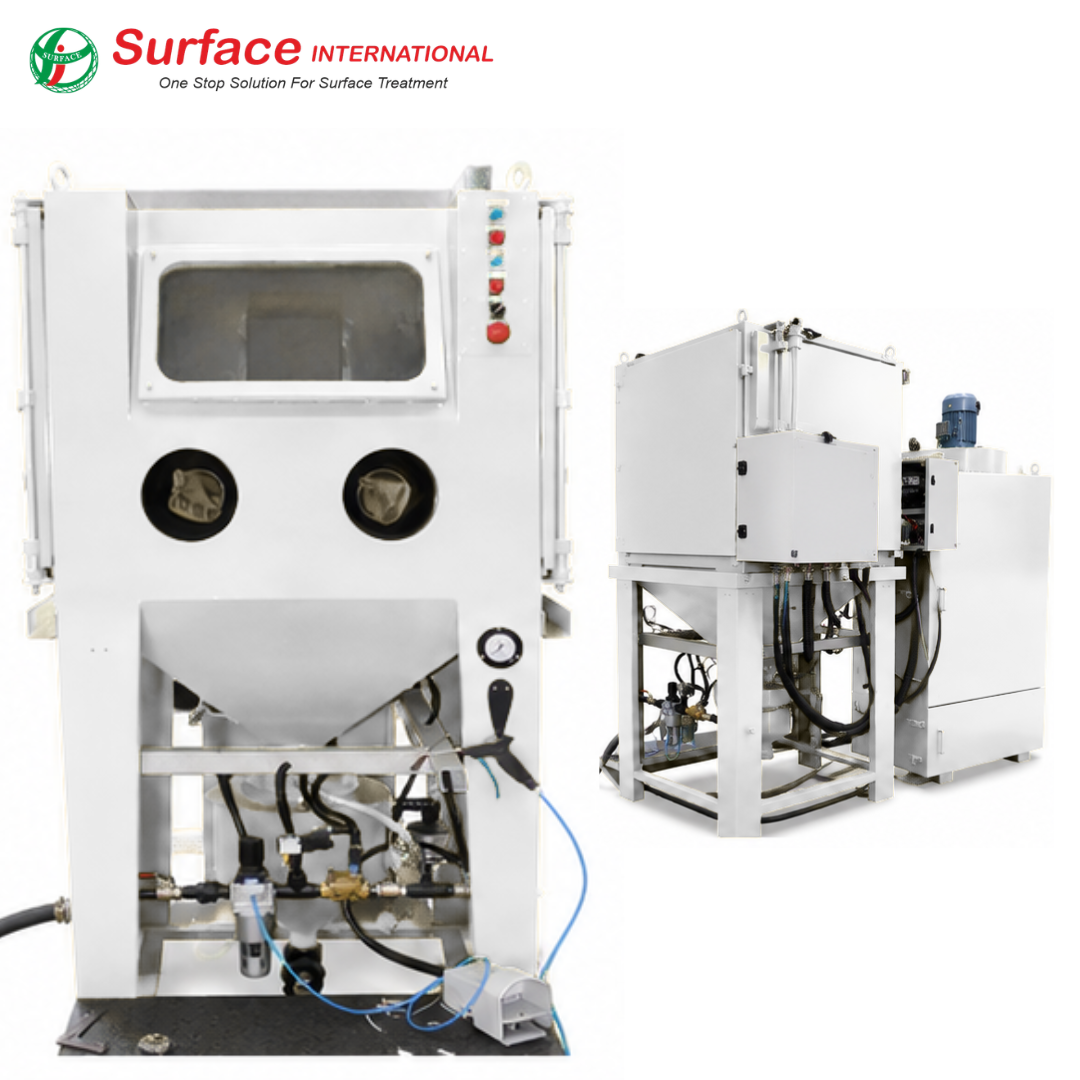
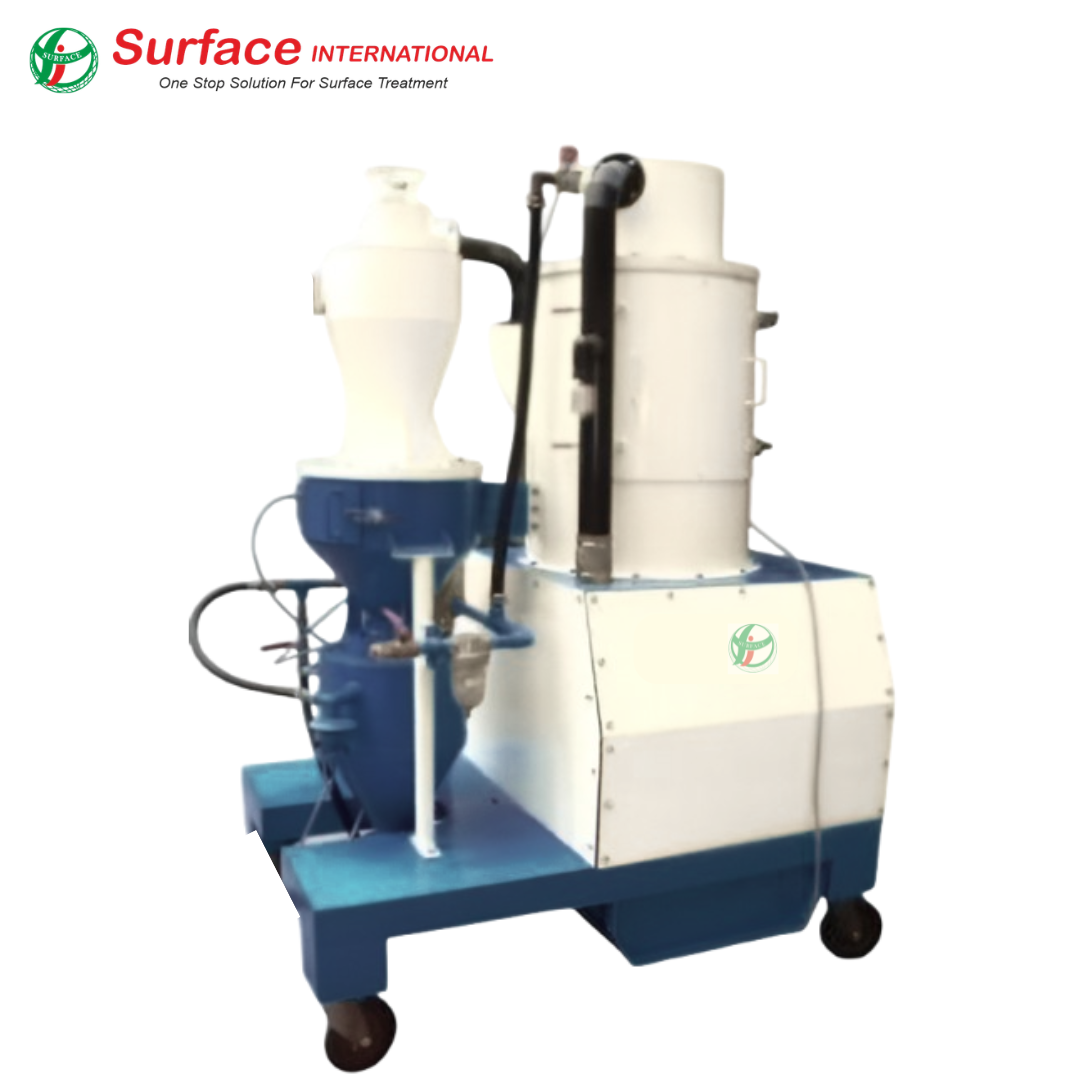
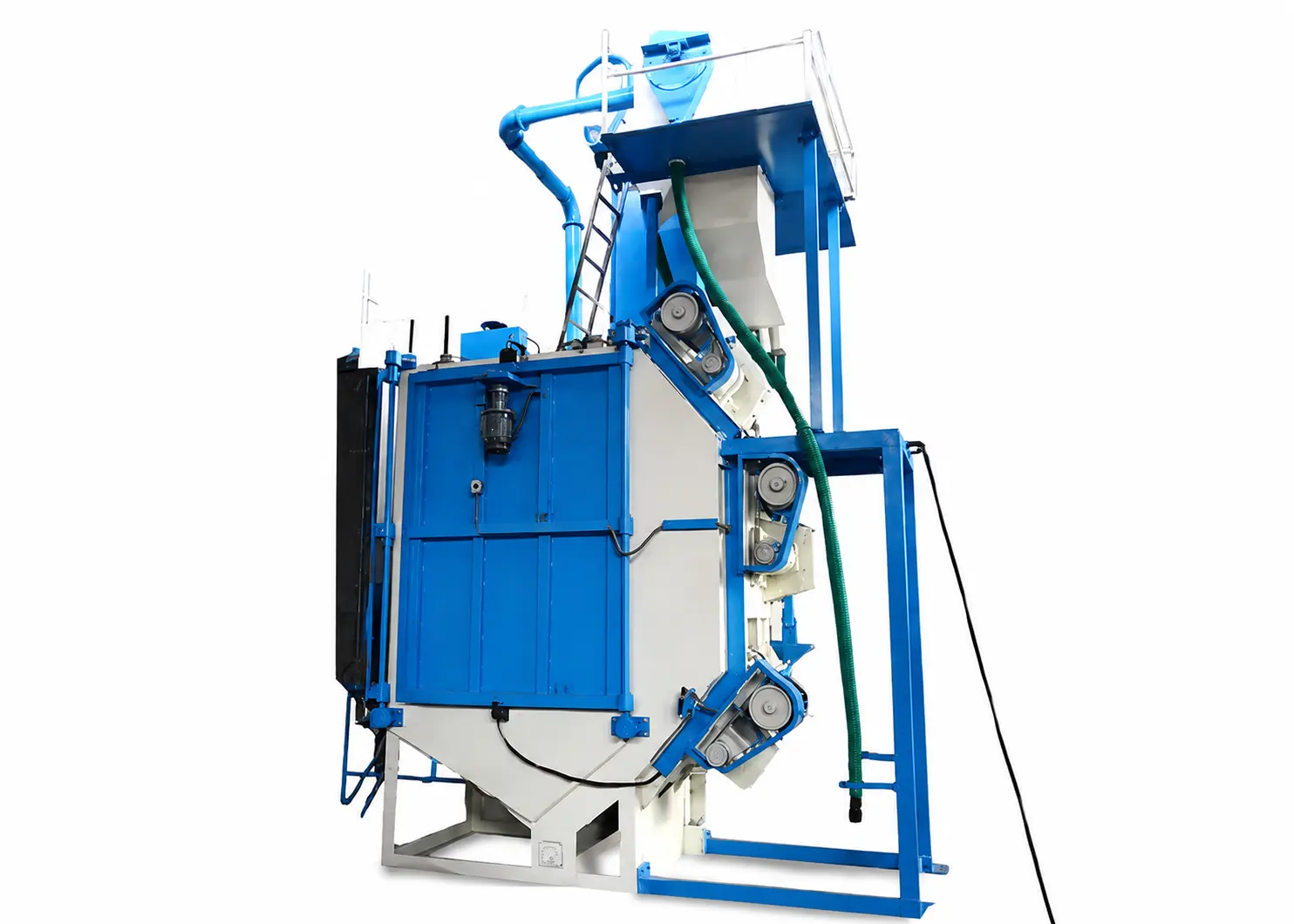
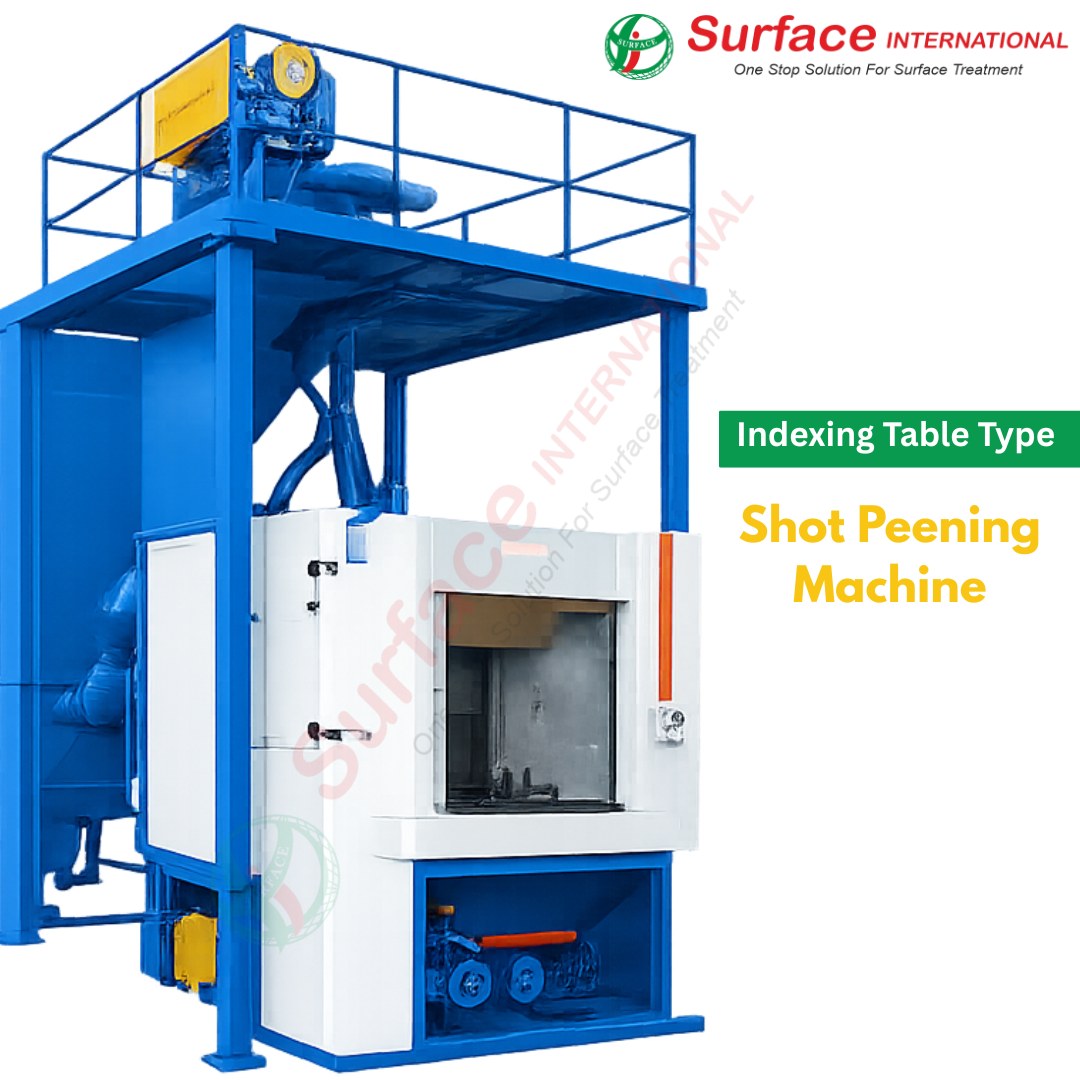
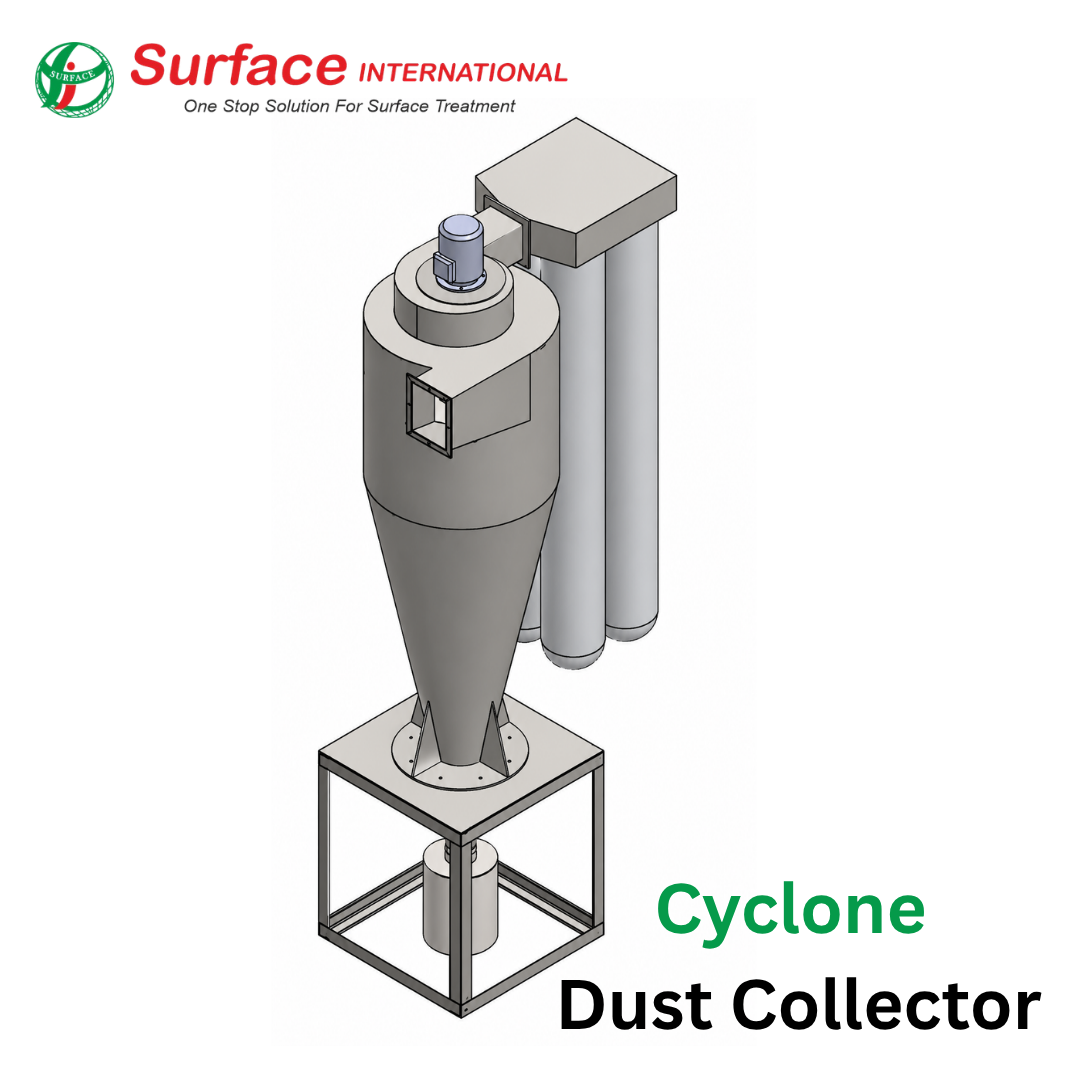
Explore Our Sand Blasting Machines
Explore our industrial blasting and surface preparation machines.
 01
 02
 03
 04
 05
 06
 07
 08
Common Mistakes to Avoid When Using Dry Ice Blasting Machines
While dry ice blasting is a highly effective cleaning method, achieving optimal results and ensuring safety requires proper technique and understanding. Avoiding common mistakes can prevent damage, maximize efficiency, and ensure the longevity of your Dry Ice Blasting Machine.
- Using the Wrong Type or Quality of Dry Ice: Not all dry ice is created equal. Using wet, clumpy, or improperly sized dry ice can clog the machine, reduce blasting effectiveness, and even cause damage. Always use fresh, high-density, appropriately sized pellets from a reputable supplier.
- Insufficient Air Pressure and Volume: The effectiveness of dry ice blasting heavily relies on adequate compressed air. Using an underpowered air compressor that doesn’t meet the machine’s CFM and PSI requirements will result in weak blasting power and poor cleaning. This is one of the most frequent causes of dissatisfaction.
- Incorrect Nozzle Selection: Different applications require different nozzles. Using a wide-angle fan nozzle for precise spot cleaning, or a narrow jet nozzle for large surface areas, will lead to inefficient cleaning and wasted dry ice.
- Neglecting Personal Protective Equipment (PPE): Dry ice blasting involves extreme cold, high-pressure air, and flying debris. Failing to wear proper PPE (eye protection, hearing protection, gloves, respiratory protection) can lead to serious injuries, including frostbite and respiratory issues.
- Improper Machine Maintenance: Like any industrial equipment, dry ice blasting machines require regular maintenance. Neglecting to clean filters, check hoses for wear, or lubricate moving parts can lead to premature wear, reduced performance, and costly breakdowns.
- Over-Blasting or Under-Blasting: Applying too much blast pressure or dwelling too long in one spot can potentially damage delicate surfaces, even with a non-abrasive method. Conversely, insufficient blasting time or pressure will leave contaminants behind. Finding the right balance for each specific application is key.
- Ignoring Environmental Factors: Blasting in poorly ventilated areas can lead to CO2 buildup, posing a suffocation risk. Always ensure adequate ventilation and consider CO2 monitoring, especially in confined spaces.
- Choosing Solely Based on Low Dry Ice Blasting Machine Price in India: Opting for the cheapest machine without considering quality, manufacturer reputation, after-sales support, and the total cost of ownership can lead to a less reliable machine, higher operational costs, and frustration in the long run.
By being mindful of these pitfalls, operators can harness the full potential of their dry ice blasting equipment and ensure a safe, efficient, and effective cleaning process.
Practical Tips for Effective Dry Ice Blasting
To maximize the efficiency and safety of your dry ice blasting operations, consider these practical tips. Implementing them will not only enhance your cleaning results but also extend the life of your Dry Ice Blasting Machine and optimize your overall investment.
- Invest in Operator Training: Proper training is paramount. Ensure all operators are thoroughly trained on machine operation, safety protocols, nozzle selection, and pressure adjustment for different applications. Well-trained personnel are safer and more efficient.
- Always Use a Dedicated Air Compressor: Do not compromise on your air compressor. It needs to provide the specific CFM and PSI required by your dry ice blaster consistently. Ensure it has an effective air dryer/aftercooler to remove moisture, which can cause dry ice clumping and poor performance.
- Source High-Quality Dry Ice: Use only fresh, high-density, and consistent-sized dry ice pellets. Store them in proper insulated containers to minimize sublimation. The quality of your dry ice directly impacts cleaning effectiveness and machine function.
- Select the Right Nozzle: Carry a range of nozzles. Use a wide-pattern nozzle for large areas, a focused straight nozzle for stubborn grime, and an angled nozzle for tight spaces or corners. The correct nozzle choice optimizes dry ice consumption and cleaning speed.
- Optimize Blast Pressure and Dry Ice Feed Rate: Experiment with pressure settings and dry ice feed rates. Higher pressure and more dry ice are not always better. Start with lower settings and gradually increase until the desired cleaning effect is achieved without damaging the substrate.
- Maintain Proper Standoff Distance and Angle: The distance between the nozzle and the surface, along with the angle of attack, significantly affects cleaning. Generally, a 45 to 90-degree angle is effective, and the standoff distance should be adjusted based on the surface and contamination type.
- Prioritize Ventilation and Safety: Always ensure adequate ventilation, especially in enclosed areas, to prevent CO2 buildup. Monitor CO2 levels if necessary. Mandate full PPE including ear protection, eye/face protection, and insulated gloves.
- Regular Machine Maintenance: Follow the manufacturer’s maintenance schedule. Regularly check air filters, inspect hoses for wear, ensure connections are tight, and lubricate moving parts as recommended. A well-maintained machine performs better and lasts longer.
- Consider Total Cost of Ownership: When evaluating the Dry Ice Blasting Machine Price in India, look beyond the initial purchase. Factor in the cost of dry ice, compressed air, maintenance, and potential savings from reduced downtime and improved efficiency.
- Document and Analyze: Keep records of cleaning times, dry ice consumption, and results for various applications. This data helps optimize future operations and provides insights into cost-effectiveness.
Frequently Asked Questions About Dry Ice Blasting Machines
Q: What is the typical operating cost of a Dry Ice Blasting Machine?
A: The operating cost primarily depends on dry ice consumption and compressed air usage. Dry ice typically costs between INR 20-50 per kg in India, depending on quantity and supplier. Compressed air costs vary based on your compressor’s efficiency and electricity rates. Labor costs and occasional maintenance also contribute. While specific figures vary, dry ice blasting often proves more cost-effective than traditional methods in the long run due to reduced labor, faster cleaning, and elimination of secondary waste disposal.
Q: Can I use a regular air compressor with a Dry Ice Blasting Machine?
A: Most dry ice blasting machines require a high-volume, high-pressure industrial air compressor, typically between 150 CFM and 350 CFM at 100-250 PSI. A “regular” workshop compressor usually won’t provide the necessary volume or pressure, leading to poor performance. It’s crucial to match your compressor’s specifications to your dry ice blaster’s requirements, and ensure it has an effective air dryer to prevent moisture.
Q: How often should a Dry Ice Blasting Machine be serviced?
A: Service frequency depends on usage intensity. For heavy industrial use, a periodic check-up every few months might be beneficial, along with daily pre-operation checks. For lighter use, annual servicing might suffice. Always refer to the manufacturer’s recommendations (like those from a Dry Ice Blasting Machine manufacturer in India such as Surface International) for specific maintenance schedules and guidelines to ensure optimal performance and longevity.
Q: Is dry ice blasting safe for all surfaces?
A: Dry ice blasting is non-abrasive and generally safe for most surfaces, including delicate ones like electrical components, polished metals, plastics, and composites. However, it’s always recommended to test on an inconspicuous area first, especially for very sensitive or unfamiliar materials, to determine the optimal pressure and nozzle settings. Very soft materials might still be affected by the kinetic force if settings are too aggressive.
Q: What kind of dry ice is required for blasting?
A: Dry ice blasting machines typically use high-density, food-grade quality dry ice pellets, usually 3mm (1/8 inch) in diameter. It’s vital to use fresh, dry (not clumpy) pellets to ensure smooth operation and effective cleaning. Avoid using dry ice blocks unless your machine is specifically designed to shave them, or if you have a pulverizer. Poor quality or wet dry ice can clog the machine and reduce efficiency.
Conclusion
The journey to adopting dry ice blasting technology in your industrial operations is an investment in efficiency, sustainability, and superior cleanliness. While the Dry Ice Blasting Machine Price in India is a significant consideration, the long-term benefits in terms of reduced downtime, extended equipment life, enhanced safety, and environmental compliance far outweigh the initial outlay. By understanding the factors that influence cost, selecting a reputable Dry Ice Blasting Machine manufacturer in India like Surface International, and adhering to best practices, industries can unlock the full potential of this revolutionary cleaning method.
Making an informed decision requires looking beyond the sticker price and evaluating the total cost of ownership, including dry ice consumption, compressed air requirements, maintenance, and the invaluable productivity gains. Dry ice blasting is more than just a cleaning technique; it’s a strategic solution that drives operational excellence in the modern industrial landscape. Embrace this advanced technology to keep your operations running smoothly, efficiently, and cleanly, paving the way for sustained success.