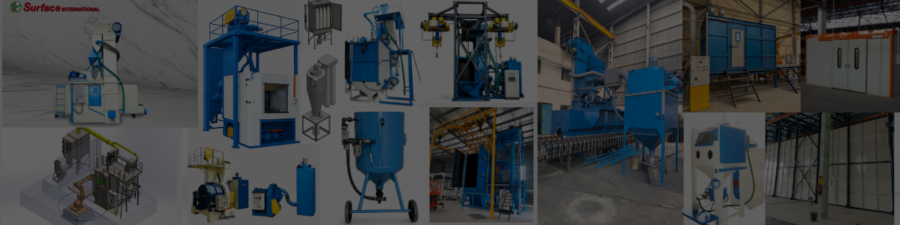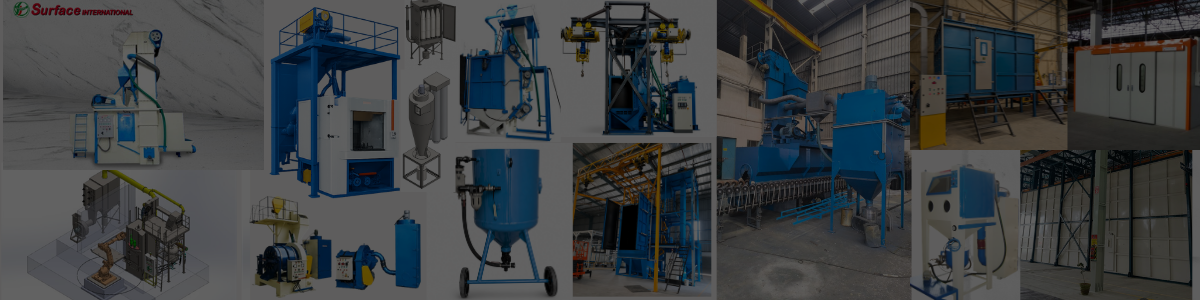
In various industrial sectors across South Africa, the need for superior surface preparation is paramount. From automotive workshops and construction sites to mining operations and marine industries, achieving a clean, smooth, or textured surface is often the first critical step before painting, coating, or welding. This is where the reliability and efficiency of a Sand Blasting Machine in South Africa become indispensable. These powerful machines strip away rust, old paint, contaminants, and imperfections, ensuring optimal adhesion and longevity for subsequent treatments. Understanding the diverse range of sand blasting equipment available, their applications, and best practices is crucial for businesses aiming for quality and operational efficiency.
Explore Our Sand Blasting Machines
Explore our industrial blasting and surface preparation machines.
 01
01
 02
02
 03
03
 04
04
 05
05
 06
06
 07
07
 08
08
Table of Contents
- Introduction to Sand Blasting
- Why Invest in a Sand Blasting Machine in South Africa?
- Types of Sand Blasting Machines Available in South Africa
- Key Applications Across South African Industries
- Choosing the Right Sand Blasting Machine in South Africa
- Understanding Abrasive Media for Sand Blasting
- Maintenance and Safety Protocols for Sand Blasting Machines
- Benefits of Efficient Sand Blasting Operations
- Common Mistakes to Avoid in Sand Blasting
- Practical Tips for Optimal Sand Blasting Results
- Frequently Asked Questions (FAQs)
- Conclusion
Introduction to Sand Blasting
Sand blasting, also known as abrasive blasting, is a surface finishing process that involves propelling a stream of abrasive material against a surface under high pressure to smooth a rough surface, roughen a smooth surface, shape a surface, or remove surface contaminants. This technique is widely recognized for its effectiveness in preparing surfaces for various industrial and aesthetic applications. In the demanding industrial landscape of South Africa, the importance of efficient and reliable sand blasting equipment cannot be overstated, contributing significantly to the quality and durability of countless products and structures.
Why Invest in a Sand Blasting Machine in South Africa?
Investing in a high-quality Sand Blasting Machine in South Africa offers numerous advantages for businesses. Firstly, it ensures superior surface preparation, which is fundamental for the longevity of coatings, paints, and other treatments. Rust, corrosion, and old coatings can significantly compromise the adhesion of new materials, leading to premature failure. Sand blasting effectively removes these impediments, creating an ideal profile for subsequent layers. Secondly, it drastically improves efficiency compared to manual methods like sanding or wire brushing, saving both time and labor costs. Thirdly, its versatility allows for a wide range of applications, from delicate cleaning to aggressive material removal, making it a valuable asset across diverse industries.
Types of Sand Blasting Machines Available in South Africa
The market for a Sand Blasting Machine in South Africa offers a variety of types, each designed for specific applications and operational needs. Understanding these categories is essential for making an informed purchasing decision.
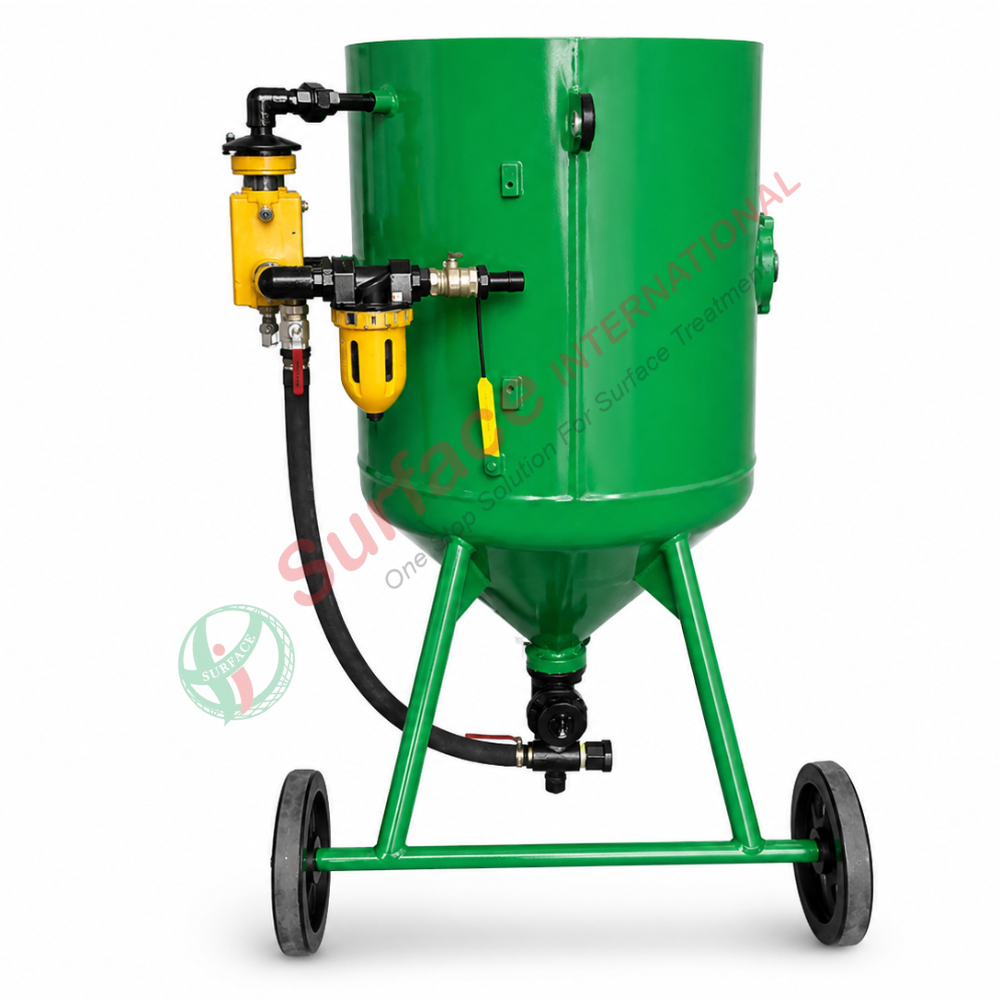
- Portable Sand Blasting Machines These units are highly sought after for their mobility and flexibility. Portable sand blasters, often equipped with wheels, can be easily moved to different job sites, making them ideal for large structures, outdoor projects, or situations where the item to be blasted cannot be brought to a fixed facility. They typically consist of a pressure pot, an air compressor, a hose, and a nozzle. Their capacity varies, from smaller units for minor touch-ups to larger industrial-grade machines for extensive surface preparation in construction, shipbuilding, and infrastructure projects.
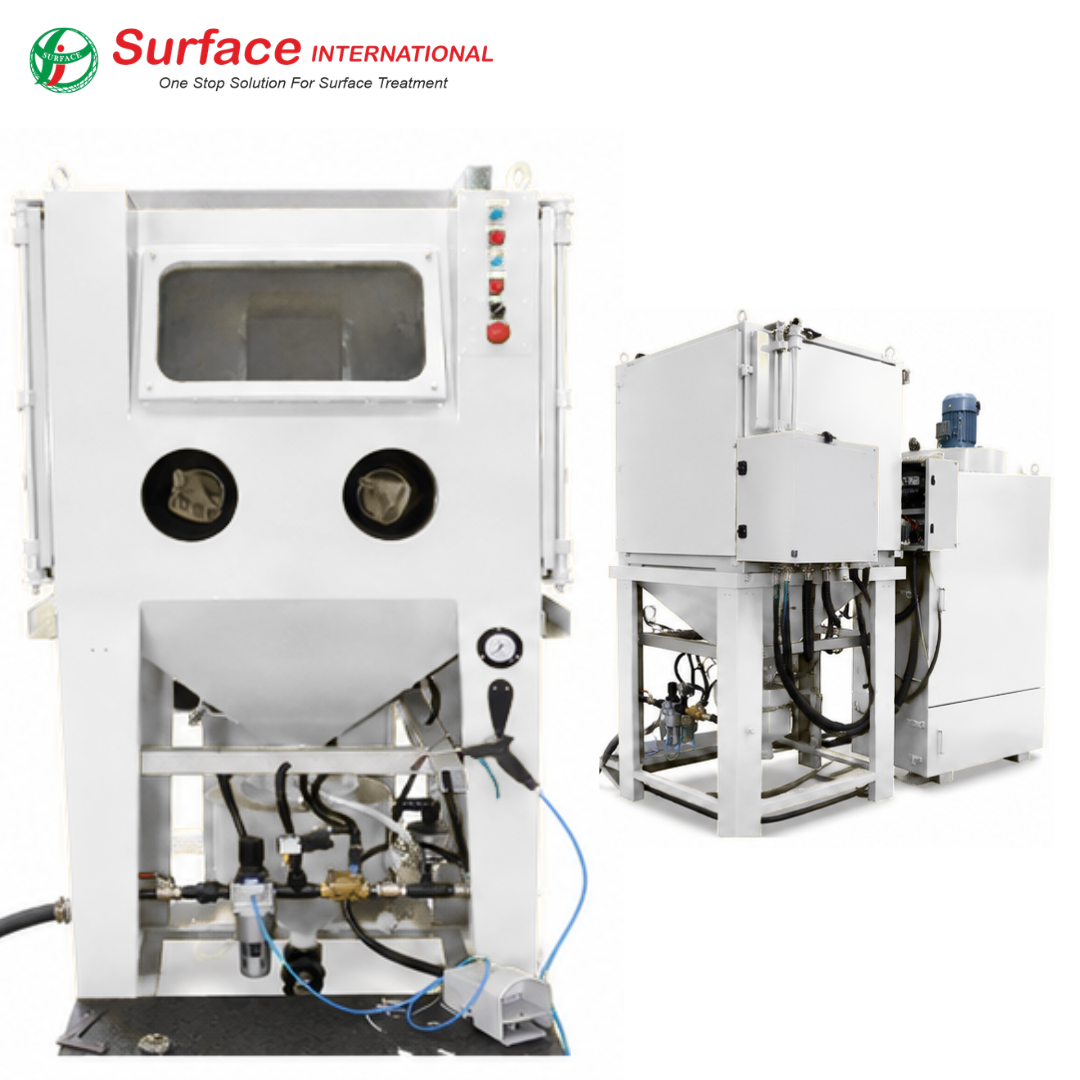
- Sand Blasting Cabinets Cabinet blasters, also known as blast cabinets, are enclosed systems designed for smaller parts and offer a controlled environment. The operator works from outside the cabinet, placing their hands into gloves attached to openings, while viewing the blasting process through a window. These machines are excellent for delicate work, recycling abrasive media, and minimizing dust exposure. They come in various sizes and configurations, including suction blast cabinets and pressure blast cabinets, suitable for automotive parts, tool cleaning, and various manufacturing applications.
- Airless Sand Blasting Machines Unlike traditional sand blasters that use compressed air, airless blasters utilize a rotating wheel to centrifugally propel abrasive media at high velocities. This method is highly efficient for large-scale surface preparation, especially in situations where a compressed air supply might be limited or too costly. They are commonly used for cleaning metal plates, pipes, structural steel, and concrete surfaces in industries such as steel fabrication, construction, and heavy manufacturing. Airless systems are known for their high production rates and ability to cover large areas quickly.
- Pressure Pot Sand Blasters Pressure pot systems are a sub-category often found within portable or fixed setups. These machines use a sealed pressure vessel to store abrasive media, which is then forced into the blast hose by compressed air. They provide a more aggressive and consistent blast stream compared to suction-feed systems, making them ideal for heavy-duty cleaning and material removal where speed and efficiency are critical. Many industrial-grade portable units utilize the pressure pot design.
Key Applications Across South African Industries
The versatility of a Sand Blasting Machine in South Africa makes it indispensable across a multitude of sectors, addressing specific surface preparation needs:
- Automotive and Vehicle Refurbishment From classic car restoration to commercial vehicle maintenance, sand blasting effectively strips old paint, rust, and body filler, preparing surfaces for new coatings. It’s crucial for chassis, rims, and body panels.
- Construction and Infrastructure Used for preparing concrete surfaces for sealants, exposing aggregate, cleaning structural steel before welding or painting, and removing graffiti from walls. It ensures strong bonds and extends the lifespan of structures.
- Mining and Heavy Equipment Mining equipment operates in harsh environments, leading to rapid wear and corrosion. Sand blasting is vital for maintaining heavy machinery, removing rust and grime, and preparing components for protective coatings, enhancing operational safety and longevity.
- Marine Industry Ships, boats, and offshore platforms require regular maintenance to combat saltwater corrosion and marine growth. Sand blasting is used for hull cleaning, deck preparation, and removing old anti-fouling paints, ensuring vessel integrity and performance.
- General Manufacturing and Fabrication Before welding, painting, or galvanizing, metal components need to be clean and profiled. Sand blasting prepares metal for optimal adhesion, deburrs parts, and provides a uniform finish.
- Architectural and Heritage Restoration For restoring historical buildings, monuments, and facades, controlled sand blasting can delicately remove layers of grime and old coatings without damaging the underlying material, preserving their original appearance.
Choosing the Right Sand Blasting Machine in South Africa
Selecting the appropriate Sand Blasting Machine in South Africa requires careful consideration of several factors to ensure it meets your specific operational demands and budget.
- Project Scale and Frequency For occasional, small-scale jobs or intricate parts, a cabinet blaster might be sufficient. For continuous, heavy-duty industrial applications or large structures, a robust portable pressure pot system or an airless blaster would be more appropriate.
- Abrasive Media Type The type of abrasive you plan to use influences the machine choice. Some machines are better suited for specific media (e.g., finer abrasives for delicate work, heavier grit for aggressive removal). Ensure compatibility to avoid equipment damage or inefficient blasting.
- Required Portability If you need to blast items at various locations or objects that cannot be moved, a portable unit is essential. For in-house operations on smaller components, a fixed cabinet or larger stationary system might be more efficient.
- Air Compressor Capacity For air-driven sand blasters, the air compressor is the heart of the system. It must provide sufficient Cubic Feet per Minute (CFM) and Pounds per Square Inch (PSI) to operate the chosen nozzle effectively. Insufficient air supply will lead to poor performance and frustratingly slow work.
- Safety Features and Regulations Prioritize machines with adequate safety features, including proper ventilation systems for cabinets, deadman handles for portable units, and robust PPE requirements. Adherence to local South African safety standards is crucial.
- Budget and Operating Costs Consider not just the initial purchase price but also ongoing costs like abrasive media consumption, energy consumption (for air compressors or airless units), maintenance, and replacement parts. A cheaper machine might have higher long-term operating costs.
Understanding Abrasive Media for Sand Blasting
The choice of abrasive media is as critical as the choice of a Sand Blasting Machine in South Africa itself. Different media types yield different results in terms of surface profile, cleaning speed, and material removal.
- Garnet A natural mineral known for its hardness and sharp angular edges. Garnet is highly efficient, produces minimal dust, and is suitable for a wide range of applications, including surface preparation of steel, concrete, and aluminum.
- Aluminium Oxide A very hard and sharp synthetic abrasive, ideal for aggressive material removal, deburring, and creating a strong anchor pattern for coatings. It’s often used for preparing metal surfaces, even those requiring a high degree of roughness.
- Glass Beads Spherical in shape, glass beads are used for peening, cleaning, deburring, and finishing without removing significant base material. They produce a smooth, bright satin finish and are excellent for stainless steel, aluminum, and delicate parts.
- Steel Grit and Shot Steel grit is angular and aggressive, used for rapid removal of heavy rust, mill scale, and old coatings, creating an excellent anchor profile. Steel shot is spherical, used for peening (to improve fatigue life) and cleaning without excessive material removal, leaving a smooth, polished finish.
- Walnut Shells/Corn Cob Organic, soft abrasives used for delicate cleaning, stripping paint from wood or softer metals, and deburring without damaging the substrate. They are biodegradable and produce less dust.
- Silicon Carbide Extremely hard and sharp, silicon carbide is used for very aggressive blasting, etching, and preparing extremely hard surfaces. It’s more brittle than aluminum oxide but offers superior cutting speed.
When selecting media, consider the material of the workpiece, the desired surface finish, the removal rate needed, and environmental factors.
Maintenance and Safety Protocols for Sand Blasting Machines
Operating a Sand Blasting Machine in South Africa safely and efficiently requires strict adherence to maintenance schedules and comprehensive safety protocols. Neglecting either can lead to equipment failure, reduced performance, and serious injuries.
- Regular Maintenance
- Nozzle Inspection: Nozzles wear out and must be replaced regularly. Worn nozzles lead to reduced efficiency, increased abrasive consumption, and a wider blast pattern.
- Hose Inspection: Check hoses for cracks, wear, and proper connections. Leaks reduce pressure and pose safety risks.
- Abrasive Media Quality: Ensure media is dry, free of contaminants, and of the correct grade. Contaminated or wet media can clog the system.
- Air Compressor Checks: Regular servicing of the air compressor, including oil changes, filter replacements, and moisture trap drainage, is vital for consistent air supply and machine longevity.
- Dust Collector Maintenance (for cabinets): Clean or replace dust collector filters regularly to maintain efficiency and ensure a clear working environment.
- Cabinet Seals and Gloves: Inspect cabinet seals for leaks and replace worn or torn gloves to prevent abrasive escape and ensure operator safety.
- Safety Protocols
- Personal Protective Equipment (PPE): This is non-negotiable. Operators must wear a blast helmet (with air supply if required), hearing protection, heavy-duty gloves, protective clothing, and safety boots.
- Ventilation: Ensure adequate ventilation in the blasting area to dissipate dust and airborne particles, especially when not using a contained cabinet system.
- Work Area Isolation: The blasting area should be clearly marked and isolated from other personnel to prevent accidental exposure to propelled abrasives or dust.
- Operator Training: Only trained and authorized personnel should operate sand blasting equipment. Proper training covers machine operation, safety procedures, and emergency responses.
- Deadman Handle: Always use machines equipped with a deadman handle, which immediately stops the blasting process if the operator releases their grip.
- Electrical Safety: Ensure all electrical connections are secure and properly grounded.
Adhering to these guidelines not only extends the life of your equipment but, more importantly, protects your workforce and ensures a productive operation. For more in-depth information on best practices, consulting industry-specific safety guidelines and resources, like those provided in Google Search documentation for general operational excellence, can be beneficial.
Benefits of Efficient Sand Blasting Operations
Implementing an efficient Sand Blasting Machine in South Africa brings a cascade of operational and economic benefits:
- Superior Surface Preparation: Achieves a clean, consistent, and profiled surface that maximizes the adhesion of subsequent coatings, paints, or sealants, significantly extending their lifespan.
- Increased Efficiency and Productivity: Dramatically reduces the time and labor required for surface cleaning and preparation compared to manual methods, allowing for faster project completion.
- Cost Savings: By improving the durability of coatings and reducing manual labor, sand blasting lowers overall project costs and minimizes the need for frequent rework or repainting.
- Versatility: Capable of handling a wide array of materials and surface conditions, from delicate cleaning to aggressive rust removal, making it adaptable to various industrial needs.
- Enhanced Aesthetics: Provides a uniform and professional finish, improving the visual appeal of products and structures.
- Environmental Compliance (with proper media): When using environmentally friendly abrasives and appropriate dust collection systems, sand blasting can be a more eco-conscious option than chemical stripping.
Common Mistakes to Avoid in Sand Blasting
Even with the right Sand Blasting Machine in South Africa, certain common errors can undermine results and lead to inefficiency or safety hazards:
- Using Incorrect Abrasive Media: Selecting the wrong media can either be too aggressive, damaging the substrate, or not aggressive enough, leading to ineffective cleaning and wasted time. Always match the media to the material and desired finish.
- Insufficient Air Pressure or Volume: Operating with inadequate CFM or PSI from the compressor results in a weak blast stream, slow progress, and increased abrasive consumption. Ensure your compressor is appropriately sized for your nozzle.
- Neglecting PPE: Failure to wear appropriate personal protective equipment (blast helmet, respirator, gloves, etc.) exposes operators to serious health risks from airborne dust, abrasive impact, and noise.
- Poor Ventilation: Inadequate ventilation in the blasting area allows dust and contaminants to accumulate, reducing visibility, creating an unhealthy environment, and potentially violating safety regulations.
- Improper Nozzle Selection or Maintenance: Using a worn-out nozzle or one of the wrong size reduces efficiency and creates a less effective blast pattern. Regularly inspect and replace nozzles as needed.
- Over-blasting or Under-blasting: Over-blasting can cause warping or excessive material removal, especially on thinner substrates. Under-blasting leaves contaminants, compromising the integrity of subsequent coatings. Achieving the right technique is crucial.
- Ignoring Moisture in the Air Line: Moisture can cause abrasives to clump, clog the system, and negatively impact the blast pattern. Always use air dryers and moisture separators.
Practical Tips for Optimal Sand Blasting Results
To maximize the performance and safety of your Sand Blasting Machine in South Africa, consider these practical tips:
- Thorough Surface Preparation: Before blasting, remove large debris, grease, and heavy dirt from the surface. This prevents contamination of your abrasive media and speeds up the blasting process.
- Test on a Small Area: Always perform a test blast on an inconspicuous area first. This helps determine the correct abrasive type, pressure, and nozzle distance to achieve the desired finish without damaging the substrate.
- Maintain Consistent Nozzle Distance and Angle: Keep a uniform distance and angle between the nozzle and the workpiece for an even blast pattern and consistent surface profile. Inconsistent application leads to uneven results.
- Use Overlapping Passes: Apply the abrasive in smooth, overlapping passes. This ensures comprehensive coverage and prevents missed spots or uneven finishes.
- Keep Abrasive Dry and Clean: Store abrasive media in dry conditions to prevent clumping. Regularly screen or filter recycled media to remove contaminants that can clog the nozzle or damage the workpiece.
- Invest in Quality Accessories: High-quality hoses, nozzles, and air dryers might seem like an extra cost but significantly improve efficiency, longevity, and safety, making your entire sand blasting operation more effective.
- Regularly Inspect and Maintain Equipment: Adhere to a strict maintenance schedule for your sand blasting machine, air compressor, and all accessories. This prevents unexpected breakdowns and ensures peak performance.
- Educate Your Team: Ensure all operators are fully trained not only on machine operation but also on safety protocols and troubleshooting common issues. For general insights on industrial equipment and its maintenance, you might find valuable information on Sand Blasting Machine in South Africa related blogs and forums.
Frequently Asked Questions (FAQs)
What is the typical lifespan of a sand blasting machine?
The lifespan of a sand blasting machine varies significantly based on its quality, frequency of use, and adherence to maintenance. A well-maintained industrial-grade machine can last 10-20 years or more, while cheaper consumer models might only last a few years. Regular cleaning, timely replacement of wear parts (like nozzles and hoses), and proper storage are key factors in extending its life.
Can I use regular sand in a sand blasting machine?
While historically “sand” blasting used silica sand, it is now widely discouraged due to the severe health risk of silicosis, a debilitating lung disease caused by inhaling crystalline silica dust. Modern sand blasting machines should use specialized abrasive media like garnet, aluminum oxide, glass beads, or steel grit, which are safer and more effective. Always prioritize safety and use approved abrasives.
What is the most crucial piece of safety equipment for sand blasting?
The most crucial piece of safety equipment is a proper blast helmet with an air-fed respirator. This protects the operator’s head, face, and eyes from abrasive impact, and, most importantly, provides clean, breathable air, shielding them from hazardous airborne dust generated during the blasting process.
How do I choose the right size air compressor for my sand blasting machine?
To choose the right air compressor, you need to match its CFM (Cubic Feet per Minute) output to the CFM requirement of your sand blasting nozzle at a specific PSI (Pounds per Square Inch). Nozzles have varying CFM needs depending on their orifice size. Always select a compressor that exceeds your nozzle’s maximum CFM requirement by at least 20-30% to ensure continuous, efficient operation and to prevent the compressor from being constantly overworked.
What’s the difference between suction-feed and pressure-feed sand blasters?
Suction-feed blasters draw abrasive up through a vacuum created by compressed air, mixing it with the air in the nozzle. They are simpler, cheaper, and less aggressive, suitable for lighter work. Pressure-feed blasters, on the other hand, force abrasive directly from a sealed pot into the blast hose with compressed air. This results in a more powerful, faster, and more efficient blast stream, ideal for heavy-duty cleaning and faster material removal.
Conclusion
The effective utilization of a Sand Blasting Machine in South Africa is a cornerstone for quality and durability in numerous industrial applications. From meticulous surface preparation to the removal of stubborn contaminants, these machines play a pivotal role in ensuring that surfaces are perfectly primed for their next stage. By understanding the different types of machines, selecting the appropriate abrasive media, prioritizing rigorous maintenance, and adhering strictly to safety protocols, businesses can unlock unparalleled efficiency and superior results. Investing wisely in the right sand blasting solution is not merely a purchase; it’s an investment in the long-term success and quality output of your operations, contributing to a robust and competitive industrial landscape across South Africa.