When you’re looking to acquire equipment for surface preparation, choosing the right components is paramount. If you’re in the market and thinking, “I need to Buy a Sand Blaster Hopper for Sale,” you’re making a wise decision to research thoroughly. A high-quality sandblaster hopper is the heart of your abrasive blasting setup, holding the media and ensuring a consistent, controlled flow to your blasting nozzle. Whether you’re a professional contractor tackling large-scale industrial projects or a dedicated hobbyist restoring vintage car parts, selecting the appropriate hopper directly impacts efficiency, safety, and the quality of your finish. This guide will walk you through everything you need to know, from understanding different types to crucial safety considerations, helping you make an informed purchase that stands the test of time.
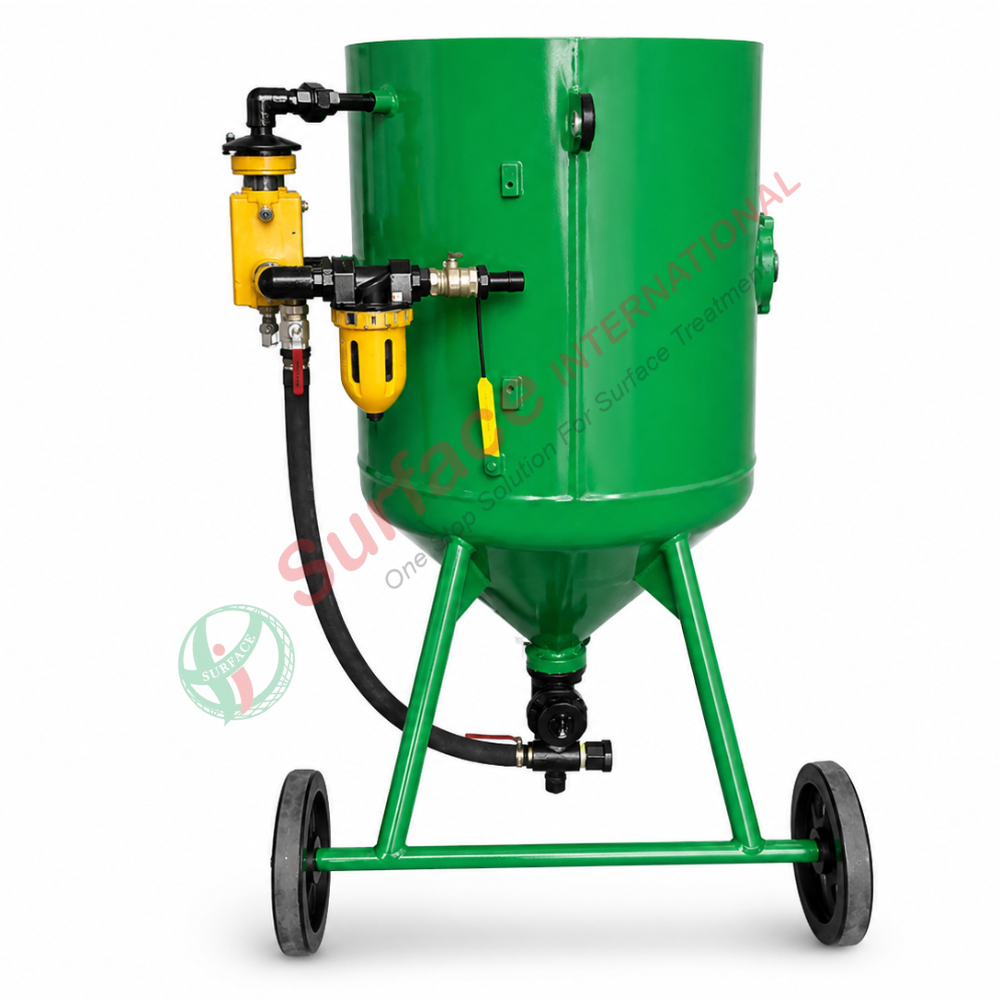
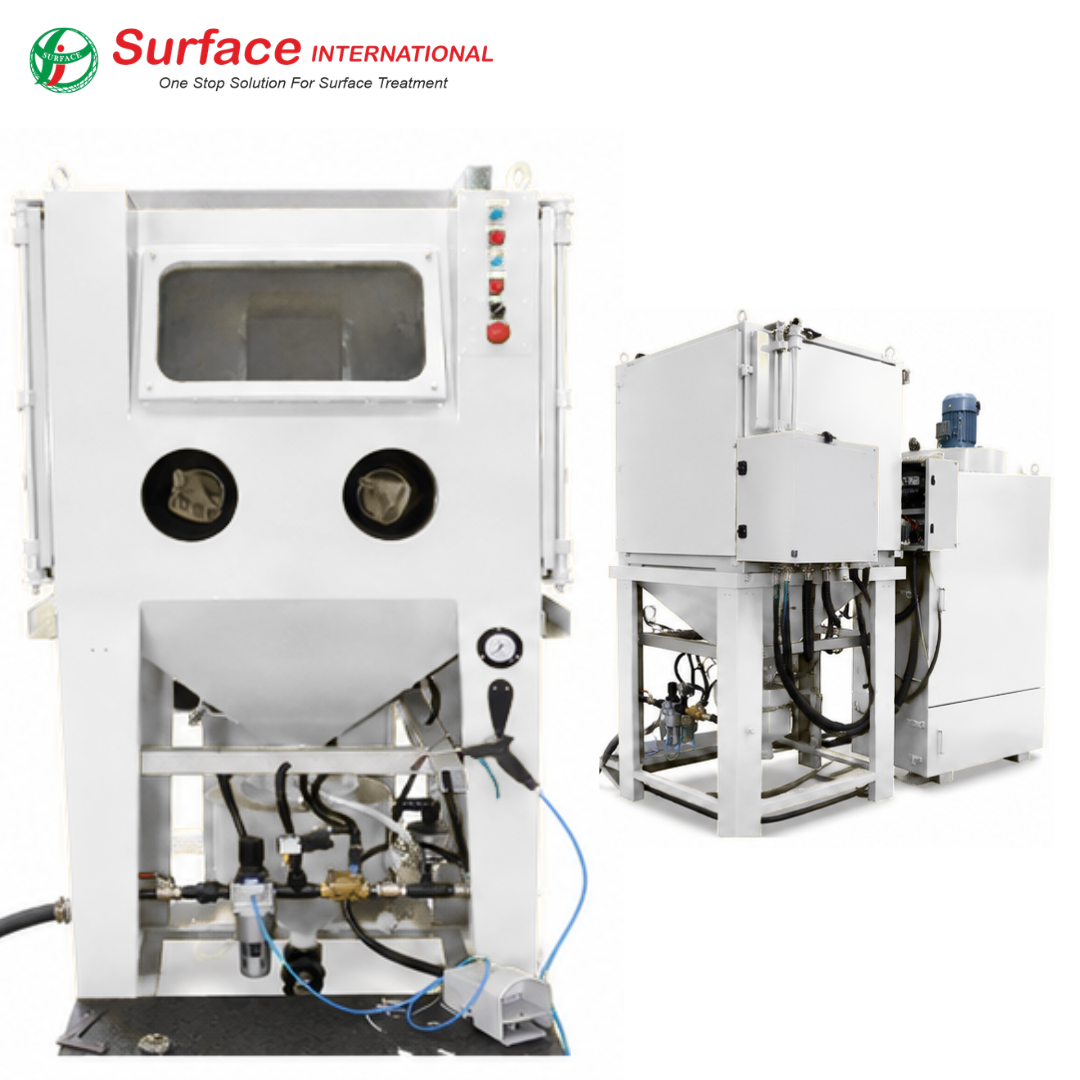
Table of Contents
- What is a Sand Blaster Hopper and Why Do You Need One?
- Factors to Consider When You Buy a Sand Blaster Hopper for Sale
- Types of Sand Blaster Hoppers Available
- Safety First: Essential PPE When Using a Sandblaster
- Choosing the Right Abrasive Media for Your Hopper
- Maintenance and Longevity of Your Sand Blaster Hopper
- Where to Look for a Reliable Sand Blaster Hopper for Sale
- Benefits of Investing in a Quality Sand Blaster Hopper
- Common Mistakes to Avoid When Purchasing a Hopper
- Practical Tips for Choosing and Using Your Hopper
- Frequently Asked Questions
- Conclusion
What is a Sand Blaster Hopper and Why Do You Need One?
A sandblaster hopper, often referred to as a pressure pot or blast pot, is a crucial piece of equipment in any abrasive blasting setup. Its primary function is to store the abrasive media – be it sand, glass beads, slag, or garnet – and deliver it under pressure to the blasting nozzle. This pressurized delivery system allows for efficient and uniform surface preparation, whether you’re removing rust, paint, scale, or preparing a surface for a new coating.
The need for a dedicated hopper stems from the fact that consistent media flow is critical for effective blasting. Without it, you’d experience uneven blasting, wasted media, and significantly slower project completion times. A well-designed hopper ensures that the abrasive material is mixed with compressed air at the correct ratio and pressure, leading to optimal impact and cleaning power. This consistency is difficult to achieve with less specialized equipment, making the hopper an indispensable component for serious blasting work.
When you look to buy a sand blaster hopper for sale, you’re investing in the core functionality of your abrasive blasting operation. It’s more than just a container; it’s an engineered system designed for performance and reliability.
Factors to Consider When You Buy a Sand Blaster Hopper for Sale
Making an informed decision when purchasing a sandblaster hopper involves weighing several critical factors. These considerations will ensure you select a unit that aligns with your specific needs, budget, and safety requirements. Here’s what you should scrutinize before you finalize your decision to buy a sand blaster hopper for sale:
1. Capacity: Hoppers come in various sizes, measured by the volume of abrasive media they can hold. Smaller units might be 50-100 lbs, suitable for hobbyists or light-duty work, while industrial hoppers can hold hundreds or even thousands of pounds. Consider the scale of your projects. Larger capacity means less frequent refilling, which increases productivity for bigger jobs.
2. Portability vs. Stationary: Do you need to move your blasting unit frequently? Portable hoppers, often equipped with wheels, are ideal for jobs at different locations. Stationary units, on the other hand, are typically larger, designed for fixed workshops or industrial facilities where the work comes to the blaster.
3. Construction Material and Durability: The hopper’s material directly impacts its longevity. Heavy-gauge steel is common, but look for robust welds and corrosion-resistant coatings, especially if you’ll be using it outdoors or with abrasive media that can accelerate wear.
4. Blast Media Compatibility: Ensure the hopper’s design and internal components are suitable for the type of abrasive media you intend to use. Some systems are optimized for specific media, while others offer more versatility. Check the nozzle and internal valving for material compatibility.
5. Safety Features: This is non-negotiable. Look for pressure relief valves, deadman handles for instant shut-off, secure lid closures, and robust fittings. Proper safety mechanisms protect both the operator and the equipment.
6. Air Consumption Requirements: Sandblasting hoppers require a significant volume of compressed air. Ensure your existing air compressor (or the one you plan to purchase) can provide the necessary CFM (Cubic Feet per Minute) and PSI (Pounds per Square Inch) to operate the hopper efficiently. Mismatching can lead to poor performance.
7. Warranty and After-Sales Support: A good warranty offers peace of mind. A reputable manufacturer or supplier will stand behind their product. Inquire about the warranty period (e.g., 2-year warranty as mentioned in the meta description) and the availability of spare parts and technical support.
8. Price and Value: While it’s tempting to opt for the cheapest option, remember that quality and durability often come at a cost. Consider the long-term value, including maintenance costs and expected lifespan, rather than just the initial purchase price.
Careful consideration of these factors will help you narrow down your choices and confidently buy a sand blaster hopper for sale that perfectly meets your operational demands.
Types of Sand Blaster Hoppers Available
Understanding the different types of sandblaster hoppers is crucial for selecting the right equipment for your specific applications. Each type offers distinct advantages in terms of performance, portability, and cost.
1. Pressure Pot Blasters (Pressure Feed Systems): These are the most common and efficient types of hoppers. In a pressure pot system, the abrasive media is held in a sealed tank (the hopper) and pressurized by an air compressor. The compressed air then forces the media out of the tank and through a blast hose to the nozzle. This direct pressure delivery system results in higher impact velocity, faster cleaning rates, and better overall performance, especially for heavy-duty tasks like rust removal, paint stripping, and surface profiling. They are generally more expensive but offer superior productivity.
2. Siphon Blasters (Suction Feed Systems): Unlike pressure pots, siphon blasters operate on a vacuum principle. The abrasive media is held in an unpressurized hopper or cabinet. Compressed air passing through a gun creates a vacuum that “siphons” the media from the hopper into the airstream. Siphon systems are typically less powerful and slower than pressure pots, making them suitable for lighter tasks, delicate surfaces, or applications where precise control over blasting aggression is needed. They are often found in smaller, more affordable cabinet blasters for hobbyists or light automotive work.
3. Portable Hoppers: Designed for mobility, these hoppers usually feature wheels and sometimes a handle, allowing them to be easily transported to different job sites. Their capacities vary, but they are generally sized for medium to large projects that require off-site work. They are almost always pressure pot systems due to the need for efficiency in varied environments.
4. Stationary Hoppers (Industrial Systems): These are typically larger, high-capacity units designed for permanent installation in workshops, factories, or large fabrication facilities. They are often integrated into full blasting rooms or recovery systems. Stationary hoppers are built for continuous, heavy-duty operation and can hold vast quantities of abrasive media, minimizing downtime for refills.
When you’re ready to buy a sand blaster hopper for sale, considering these distinctions will help you align the equipment with your project needs. For general-purpose, efficient blasting, a pressure pot system is usually the way to go. For lighter tasks or enclosed cabinet blasting, a siphon system might suffice.
Safety First: Essential PPE When Using a Sandblaster
Operating a sandblaster, even a small unit, involves significant safety risks if proper precautions are not taken. The high-velocity abrasive particles, dust, and noise generated require mandatory personal protective equipment (PPE). Ignoring these safety measures can lead to severe injuries or long-term health problems. When you buy a sand blaster hopper for sale, remember that safety gear is just as important as the hopper itself.
Here’s the essential safety wear you must use:
- Blast Helmet/Hood: This is your most critical piece of PPE. A professional blast helmet protects your entire head, face, neck, and shoulders from rebounding abrasives. It typically includes a fresh air supply to protect your respiratory system from airborne dust and a clear visor for visibility. Do not substitute this with simple safety glasses or face shields alone.
- Respirator: Even with a blast helmet, an additional respirator might be necessary or built-in, especially for non-ventilated helmets or when working with hazardous media. Fine dust particles can cause serious lung damage (e.g., silicosis from silica sand).
- Heavy-Duty Gloves: Thick, durable gloves (often leather or rubberized) are essential to protect your hands from abrasive impact, cuts, and scrapes. They also improve grip on the blast gun and hose.
- Protective Clothing (Blast Suit): A specialized blast suit made from durable, tear-resistant material protects your body from rebounding abrasives and dust. Standard work clothes are insufficient and will be quickly worn through.
- Safety Boots: Steel-toed work boots provide protection from falling objects and heavy equipment, as well as general protection on a job site.
- Hearing Protection: Sandblasting can be extremely loud. Earplugs or earmuffs are necessary to prevent hearing damage. Many blast helmets incorporate some form of hearing protection.
Always ensure your PPE is in good condition before starting any blasting operation. Regular inspection and replacement of worn-out gear are crucial for maintaining a safe working environment. Investing in quality safety gear is an investment in your well-being.
Choosing the Right Abrasive Media for Your Hopper
The performance of your sandblaster hopper is heavily reliant on the abrasive media you choose. Different media types are suited for specific applications, surface types, and desired finishes. Understanding these differences is key to achieving optimal results and preventing damage to the substrate.
When you’re ready to buy a sand blaster hopper for sale, consider what media it will primarily handle:
- Sand (Silica Sand): Historically popular due to its availability and low cost, but its use is now highly restricted or banned in many places due to the risk of silicosis. If used, extreme respiratory protection is paramount.
- Garnet: A natural mineral, garnet is a popular choice due to its high hardness, low dust generation, and recyclability. It’s effective for general cleaning, rust removal, and achieving a uniform surface profile. Environmentally friendly and safer than silica.
- Coal Slag/Copper Slag: Byproducts of industrial processes, these are angular, aggressive, and effective for heavy-duty rust and paint removal. They are often more affordable than garnet but can generate more dust.
- Glass Beads: Spherical and non-aggressive, glass beads are used for peening (stress relief), deburring, cleaning delicate parts, and achieving a smooth, satin finish without removing parent material. They are recyclable.
- Aluminum Oxide: A very hard and sharp abrasive, ideal for fast cutting, stripping, and preparing surfaces for coatings. It creates an aggressive profile and is highly durable, often used in cabinets for intricate work.
- Plastic Media: Soft and non-abrasive, plastic media is used for delicate stripping applications where the underlying substrate must remain intact, such as aircraft components or fragile plastics.
- Walnut Shells/Corn Cobs: Organic abrasives used for gentle cleaning, stripping delicate surfaces, and deflashing without damaging the substrate. Biodegradable and environmentally friendly.
The choice of media impacts not only the finish but also the wear and tear on your hopper components. Harder, sharper media will cause more wear on nozzles and internal valving. Always match the media to the task and the capabilities of your equipment for the best results and longevity.
Maintenance and Longevity of Your Sand Blaster Hopper
Just like any piece of heavy-duty equipment, your sandblaster hopper requires regular maintenance to ensure its longevity, optimal performance, and safe operation. Neglecting maintenance can lead to breakdowns, reduced efficiency, and costly repairs. When you invest to buy a sand blaster hopper for sale, you also commit to its care.
Here are key maintenance practices:
- Regular Cleaning: After each use, especially if changing media types, ensure the hopper is thoroughly cleaned of residual abrasive. Moisture can cause media to clump, leading to clogs and inefficient blasting.
- Inspect Hoses and Nozzles: Abrasive blasting causes wear. Regularly check blast hoses for cracks, bulges, or thinning walls. Inspect nozzles for enlargement; an oversized nozzle wastes air and media. Replace worn components promptly.
- Check Air Filters and Separators: Moisture in compressed air is detrimental to blasting performance and can cause clogs. Ensure your air compressor’s filters and moisture separators are clean and functioning correctly. Drain moisture traps daily.
- Lubricate Valves and Fittings: Depending on your hopper model, certain valves or moving parts may require lubrication to prevent seizing and ensure smooth operation. Consult your owner’s manual.
- Inspect Pressure Gauges and Relief Valves: Ensure pressure gauges are accurate and visible. Test pressure relief valves periodically to confirm they activate at the correct pressure, preventing dangerous over-pressurization.
- Examine the Hopper Interior: Periodically inspect the inside of the hopper for signs of excessive wear, corrosion, or pitting, especially in the cone area where media funnels out. Address any issues before they become critical.
- Check Wheels and Frame (for Portable Units): For portable hoppers, ensure wheels roll freely and the frame is stable and free from damage. Loose connections or worn wheels can be a safety hazard.
- Secure Connections: All hose connections, clamps, and fittings should be checked for tightness to prevent air leaks, which reduce efficiency, and to ensure safety under pressure.
Following these maintenance steps will not only extend the operational life of your sandblaster hopper but also ensure it continues to deliver the consistent performance you expect. A well-maintained hopper is a reliable workhorse that contributes to safe and successful project completion.
Where to Look for a Reliable Sand Blaster Hopper for Sale
Finding the right supplier is just as important as choosing the right product when you’re ready to buy a sand blaster hopper for sale. A reputable vendor can offer expert advice, quality products, and reliable after-sales support. Here are some of the best places to search:
1. Specialized Abrasive Blasting Equipment Suppliers: These companies focus exclusively on blasting equipment and consumables. They typically have a deep understanding of the products, offer a wide range of hoppers, and can provide invaluable technical support and recommendations. They often stock a variety of brands and price points, catering to both industrial and professional users.
2. Industrial Equipment Distributors: Large industrial suppliers often carry abrasive blasting equipment as part of their extensive product lines. They can be a convenient one-stop shop for other industrial tools and supplies you might need, such as air compressors or safety gear. Their inventory might be broader, but specialist advice might be less in-depth than a dedicated blasting supplier.
3. Online Marketplaces and E-commerce Platforms: Websites like eBay, Amazon, or specialized industrial equipment marketplaces can offer competitive prices and a vast selection. However, exercise caution. Verify seller reputation, read reviews, and confirm warranty details. It’s crucial to ensure you’re buying from a legitimate seller who can offer support. While browsing, you might see many options, but always prioritize quality and reliability over the lowest price, especially when you need to Buy a Sand Blaster Hopper for Sale for long-term use.
4. Manufacturer Websites: Purchasing directly from the manufacturer can sometimes offer the best prices or access to the latest models. It also ensures you receive genuine parts and direct warranty support. This is an excellent option if you’ve already identified a specific brand you trust.
5. Used Equipment Dealers/Auctions: For budget-conscious buyers, used equipment can be an option. However, extreme caution is advised. Thoroughly inspect any used hopper for wear, damage, rust, and ensure all safety features are operational. It might be challenging to get a warranty for used equipment.
When evaluating potential suppliers, consider their reputation, customer service, technical expertise, and warranty offerings. A good supplier will help you navigate the options and ensure you get the best fit for your needs and budget.
Benefits of Investing in a Quality Sand Blaster Hopper
When you decide to buy a sand blaster hopper for sale, you’re not just purchasing a piece of metal; you’re investing in a tool that brings significant advantages to your projects. Opting for a quality unit, rather than the cheapest available, yields numerous benefits that pay off in the long run.
- Enhanced Efficiency and Productivity: A well-designed hopper ensures a consistent and uninterrupted flow of abrasive media. This reduces downtime for unclogging, minimizes media waste, and allows you to complete blasting tasks much faster and more effectively.
- Superior Finish Quality: Consistent media delivery translates to a more uniform and professional surface profile. This is critical for applications where a specific surface roughness is required for optimal coating adhesion or aesthetic appeal.
- Improved Safety: Quality hoppers incorporate robust safety features like pressure relief valves, secure connections, and reliable shut-off mechanisms. These features protect the operator from potential hazards such as over-pressurization or uncontrolled media discharge, aligning with the importance of safety wear.
- Durability and Longevity: Hoppers built with heavy-gauge materials and quality components are designed to withstand the harsh conditions of abrasive blasting. This means fewer breakdowns, less frequent repairs, and a longer operational lifespan, providing excellent return on your investment, often backed by a solid warranty.
- Versatility: Many quality hoppers are designed to handle a wide range of abrasive media, from fine glass beads to aggressive slags. This versatility allows you to tackle different projects with varying surface preparation requirements using the same core equipment.
- Reduced Media Consumption: Efficient flow control and proper air/media mixing in a quality hopper optimize media usage, preventing waste. Over time, this can lead to significant cost savings on abrasive materials.
- Consistent Performance: Reputable brands engineer their hoppers for consistent performance under varying conditions. This reliability is crucial for contractors who need dependable equipment for daily operations.
Ultimately, a quality sandblaster hopper is a foundational component that contributes significantly to the success, safety, and profitability of any abrasive blasting operation.
Common Mistakes to Avoid When Purchasing a Hopper
Navigating the options when you buy a sand blaster hopper for sale can be tricky, and certain pitfalls can lead to dissatisfaction or costly errors. Being aware of these common mistakes can save you time, money, and frustration.
- Underestimating Capacity Needs: One of the most frequent mistakes is buying a hopper that’s too small for your intended projects. Constantly refilling a small pot on a large job wastes time and reduces efficiency. Always err on the side of slightly larger capacity if you’re uncertain.
- Ignoring Air Compressor Compatibility: A sandblaster hopper is useless without adequate compressed air. Many buyers overlook the CFM and PSI requirements of the hopper, only to find their existing compressor can’t keep up, leading to weak blasting power and slow work. Always match the hopper’s requirements to your compressor’s output.
- Neglecting Safety Features: Prioritizing a lower price over crucial safety features is a dangerous mistake. Ensure the hopper has essential components like pressure relief valves, a deadman handle, and robust fittings. Your safety should never be compromised.
- Buying on Price Alone: While budget is a factor, opting for the cheapest available hopper can often lead to inferior build quality, frequent breakdowns, poor performance, and a short lifespan. Remember the benefits of investing in quality for long-term value.
- Not Checking Warranty and Support: A lack of a clear warranty or readily available customer support can be a major issue if something goes wrong. Always verify the warranty period and the availability of spare parts and technical assistance before purchasing.
- Failing to Plan for Media Type: Different hoppers might be better suited for certain media. If you plan to use a specific abrasive, ensure the hopper’s valving and components can handle it without excessive wear or clogging.
- Overlooking Portability Needs: If your work involves multiple locations, buying a heavy, stationary hopper when you need a portable one will severely limit your operational flexibility. Assess your mobility requirements upfront.
- Skipping User Reviews and Professional Advice: Don’t rely solely on product descriptions. Read reviews from other users and, if possible, consult with experienced blasting professionals to get real-world insights into a particular model or brand.
By consciously avoiding these common errors, you’ll be much better equipped to select a sandblaster hopper that genuinely meets your needs and expectations.
Practical Tips for Choosing and Using Your Hopper
Beyond the technical specifications and safety guidelines, some practical tips can further enhance your experience when selecting and operating your sandblaster hopper. These insights come from years of experience in the field.
Tips for Choosing:
- Define Your Primary Use: Before looking at specific models, clearly define what you’ll be using the hopper for most often. Is it primarily for rust removal on metal, paint stripping, surface profiling, or cleaning delicate items? This will guide your capacity and type of system (pressure vs. siphon) choice.
- Research Reputable Brands: Stick to well-known manufacturers with a proven track record in abrasive blasting equipment. These brands often offer better quality, more reliable spare parts, and superior customer support.
- Consider the Cost of Ownership: Factor in not just the purchase price but also the cost of consumable parts (nozzles, hoses), abrasive media, and potential maintenance. A slightly more expensive hopper upfront might be cheaper to operate long-term.
- Ask About Accessories and Upgrades: Inquire if the hopper is compatible with various accessories like different nozzles, remote controls, or media valves. Flexibility can be a big advantage as your needs evolve.
- Read the Manual Before Buying (If Possible): If you can access the owner’s manual or product specifications online, review it carefully. This can give you insights into assembly, operation, and maintenance requirements.
Tips for Using:
- Always Use Dry Media: Moisture is the enemy of sandblasting. Ensure your abrasive media is completely dry before loading it into the hopper. Store media in dry conditions.
- Proper Media Loading: Load your media carefully to avoid introducing debris or moisture. Some hoppers have screens or grates to filter out large particles, which should always be used.
- Start with Lower Pressure: When starting a new project or using unfamiliar media, begin with a lower blast pressure and gradually increase it. This helps you find the optimal setting without damaging the surface or wasting media.
- Maintain Consistent Blasting Angle and Distance: For the best results, try to maintain a consistent angle (usually 45-60 degrees) and distance from the workpiece. This ensures even surface preparation.
- Monitor Media Flow: Pay attention to the media flow from the nozzle. If it’s intermittent or inconsistent, check for clogs in the hopper’s media valve or the blast hose.
- Regularly Drain Moisture Traps: If your air compressor setup includes moisture traps, drain them daily to prevent water from entering your hopper and causing clogs or performance issues.
- Prioritize Workspace Ventilation: Blasting generates a lot of dust. Work in a well-ventilated area or use a dedicated blast cabinet with a dust collection system. For more information on environmental best practices, you might find valuable resources in Google Search documentation related to industrial processes.
These practical tips, combined with the detailed information provided earlier, will set you up for success when you decide to buy a sand blaster hopper for sale and integrate it into your workflow.
Frequently Asked Questions
Q: What is the ideal capacity for a sandblaster hopper?
A: The ideal capacity depends entirely on your project scale. For occasional small projects or hobby use, a 50-100 lb hopper might suffice. For professional contractors or larger continuous jobs, a 300-600 lb (or even larger) hopper is often preferred to minimize refills and maximize productivity.
Q: Can I use any type of abrasive media in my sandblaster hopper?
A: While many hoppers are versatile, it’s crucial to check compatibility. Some media, like very fine powders or excessively coarse materials, may not flow well through all hopper designs or nozzle sizes. Always refer to your hopper’s manual for recommended media types and ensure your valving can handle the abrasiveness of the media without premature wear.
Q: How often should I replace the nozzle on my sandblaster?
A: Nozzle wear depends heavily on the type of abrasive media and usage frequency. Harder, more aggressive media (like aluminum oxide or slag) will wear nozzles faster than softer media (like glass beads). Inspect your nozzle regularly; replace it when the bore becomes noticeably enlarged or misshapen, as this leads to decreased blasting power and increased media/air consumption.
Q: What is a “deadman handle” and why is it important?
A: A deadman handle is a safety feature on a blast gun or nozzle that instantly stops the abrasive flow and air pressure when the operator releases their grip. This prevents uncontrolled blasting if the operator loses control of the gun or experiences an accident, significantly enhancing safety. It’s an essential feature to look for when you buy a sand blaster hopper for sale.
Q: What’s the biggest difference between a pressure pot and a siphon blaster?
A: The primary difference lies in how abrasive media is delivered. Pressure pots (pressure feed systems) force media out under direct air pressure, resulting in higher velocity, faster cleaning, and more aggressive action. Siphon blasters (suction feed systems) use a vacuum created by airflow to draw media into the airstream, offering less power and slower cleaning but often at a lower cost and for more delicate applications.
Q: Is a 2-year warranty sufficient for a sandblaster hopper?
A: A 2-year warranty is generally considered a good standard for quality industrial equipment like a sandblaster hopper. It indicates the manufacturer’s confidence in their product’s durability and provides peace of mind against manufacturing defects. Always read the warranty terms carefully to understand what is covered and what might void the warranty.
Conclusion
Deciding to buy a sand blaster hopper for sale is a significant step towards achieving professional-grade surface preparation. As we’ve explored, it’s not merely a transaction but an investment in efficiency, safety, and the quality of your work. From understanding the core function of a hopper and the various types available to meticulously considering factors like capacity, portability, and safety features, every decision impacts your overall blasting experience.
Remember the importance of proper safety wear, diligent maintenance, and selecting the right abrasive media for your tasks. By avoiding common mistakes and applying the practical tips discussed, you can ensure that your investment in a quality sandblaster hopper yields reliable performance and lasting value. Make an informed choice, prioritize safety, and you’ll be well-equipped to tackle any blasting challenge with confidence.